Laura Loomer, a far-right activist with close ties to former President Trump, has once again ignited controversy with a series of racist attacks aimed at several prominent Black women in politics. Her comments, which included calling them “ghetto, entitled, race-obsessed, destructive Black b*****s,” have drawn sharp criticism from some quarters, but the broader Republican response has been notably muted.
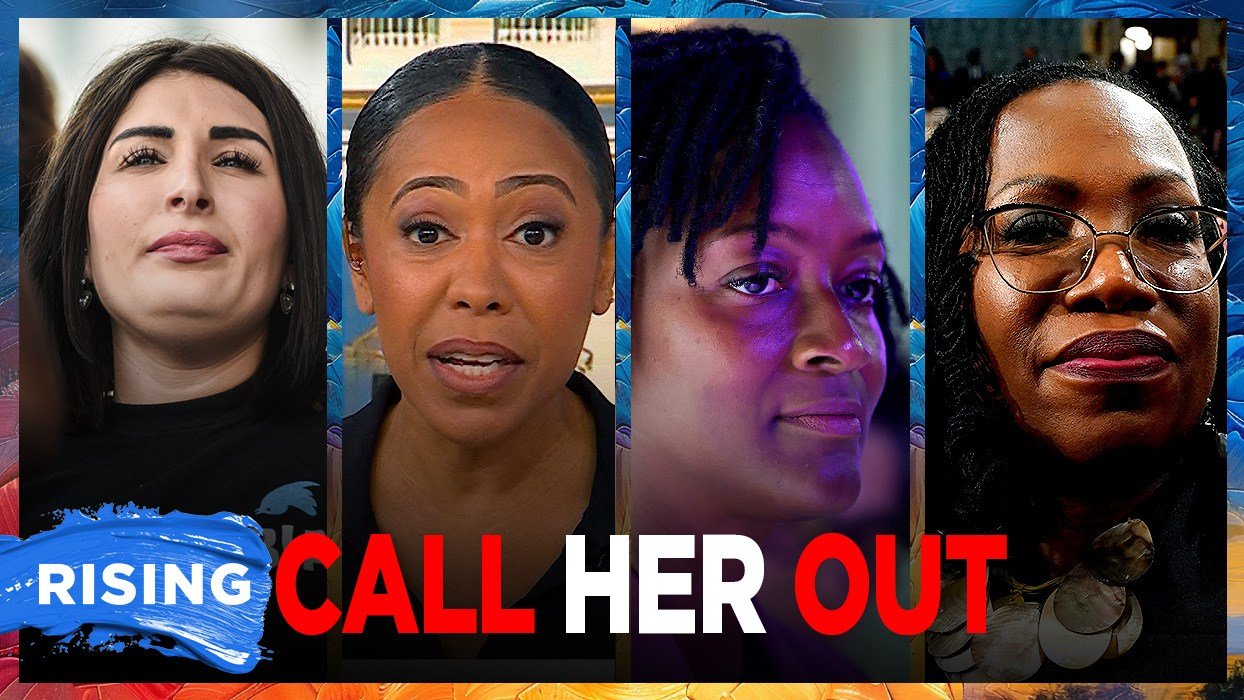
The targets of Loomer's vitriol included Florida state Rep. Angie Nixon, Reps. Ilhan Omar and Ayanna Pressley, former Rep. Cori Bush, and Supreme Court Justice Ketanji Brown Jackson. Loomer's rhetoric was not just offensive but also underscored a troubling pattern of behavior that has become all too familiar in the current political climate.

While some Republicans, such as former Rep. Marjorie Taylor Greene, have publicly condemned Loomer's remarks, calling them “nasty, hateful,” and racist, the silence from the rest of the party has been deafening. This silence is particularly glaring given the party's frequent calls for accountability when Democrats or their allies make inflammatory statements.
The double standard is stark. Republicans have been quick to criticize figures like progressive commentator Hasan Piker, who has campaigned with Democratic Senate nominee Abdul El-Sayed. Yet Loomer, who has had direct access to Trump, including meetings in the Oval Office and a role in shaping his policy decisions, faces little scrutiny from the GOP establishment.
Loomer's influence is not a secret. She has been photographed with Trump, has his cellphone number, and has boasted about her ability to move the needle on policy. Despite this, the party has largely avoided condemning her racist outbursts, even as it demands accountability for others' rhetoric.
The issue extends beyond Loomer. As our colleague Niall Stanage noted, other Republican figures have made similarly offensive comments, including Trump's description of people from Somalia as “garbage” and Rep. Randy Fine's comparison of Muslims to dogs. The party's selective outrage raises serious questions about its commitment to condemning hate speech.
For many, the core issue is not whether Loomer or Piker is more offensive, but whether the standard for condemning racism is applied consistently. As one CNN commentary put it, “Your president refuses to condemn this. That is the overarching point.”
Black women should not have to meet some arbitrary standard of perfection to be treated with basic dignity. Political parties should not need a polling memo to decide that racism is wrong. Silence is permission, and the Republican Party must find the backbone to condemn hate when it comes from within its own ranks.
If Republicans cannot unequivocally say that racism is wrong, that 9/11 was not an inside job, and that Trump should distance himself from those who traffic in such hateful rhetoric, then what does the party stand for? The ball is in their court.