The Trump administration on Monday evening provided new specifics on its controversial oil arrangement with Venezuela, revealing that the Pentagon's Office of Strategic Capital will acquire a 35 percent equity interest in North American Blue Energy Partners, a private firm that ranks as Venezuela's second-largest private oil producer.
According to an administration press release, the company—now partially owned by the U.S. government—has been granted a 100-year concession to develop Venezuelan oil fields holding an estimated 65 billion barrels, roughly 21 percent of the country's total reserves. The deal also grants Washington the right to purchase 20 percent of the oil extracted by the company at production cost, with those barrels earmarked for the Strategic Petroleum Reserve, which both the Trump and Biden administrations have tapped in recent years to offset fuel price spikes linked to the Iran conflict and Russia's invasion of Ukraine.
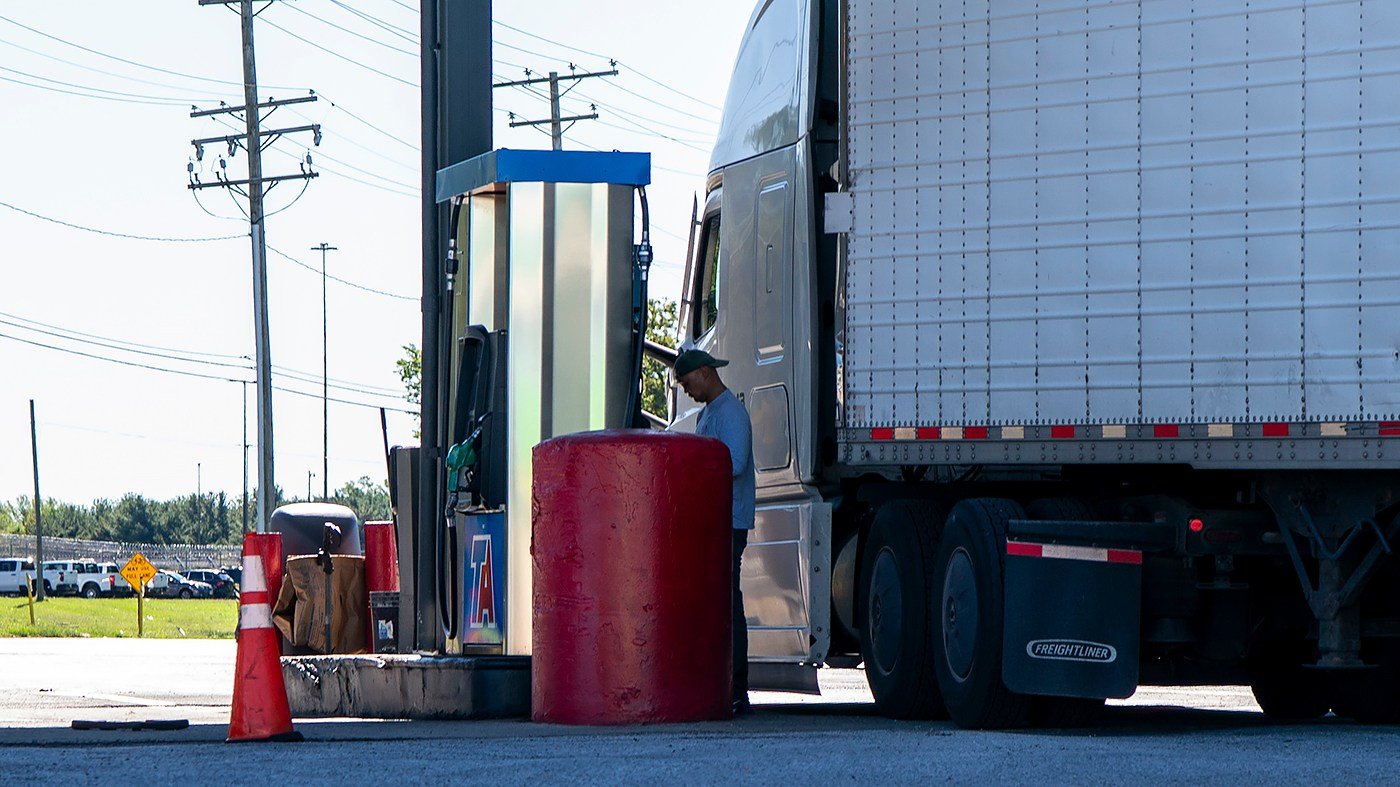
The State Department will hold a first right of refusal to buy the remaining 80 percent of the company's output. The administration said "millions of barrels" produced in Venezuela will be processed by U.S. refineries, though it declined to specify a precise volume or share.
The announcement follows initial disclosures that were notably vague, mentioning only that the U.S. would collaborate with a private operator without identifying the firm. The new details come amid scrutiny of North American Blue Energy Partners' leadership and its founder's legal history.
The Wall Street Journal reported that the company is led by Alejandro Betancourt, who has faced investigations into alleged money laundering, though no charges have been filed. The Washington Post reported that the U.S. intervened in a Swiss criminal case against Betancourt, lobbying to avoid charges and lift travel restrictions on the U.K.-based businessman.
President Trump has repeatedly expressed interest in gaining access to Venezuela's oil resources since the U.S. incursion into the country earlier this year. The deal is part of a broader push by the administration to secure energy supplies and bolster domestic reserves, a theme that has also surfaced in meetings with oil executives and ongoing policy debates.
Critics have raised concerns about the deal's legal and logistical hurdles, as infrastructure challenges and potential legal obstacles could complicate implementation. The administration, however, has framed the arrangement as a strategic win that would reduce U.S. reliance on foreign adversaries and strengthen the Strategic Petroleum Reserve.
The move also carries political implications, as Trump's approval ratings remain under pressure amid economic anxieties. The deal's transparency and the involvement of a figure like Betancourt could fuel further scrutiny from lawmakers and watchdog groups.
Laura Kelly contributed to this report.