With manufacturing booms and tech companies flocking to the Intermountain West, Nevada and Utah are confronting a stark reality: the region's aging power grid is not equipped to handle the next decade's energy appetite. Governors Spencer Cox (R-UT) and Joe Lombardo (R-NV) are now championing a multi-state effort to overhaul how transmission lines are planned and permitted, warning that failure to act could leave the West behind in the race for next-generation industry.
In an op-ed published Wednesday, the two governors framed the challenge as a "defining test" of Western leadership. "Our society is asking more of an electric grid that was not built for our modern energy needs," they wrote, pointing to projected gains in advanced manufacturing, electrification, and frontier technologies that could push regional power demand up by 30 percent over the next ten years.

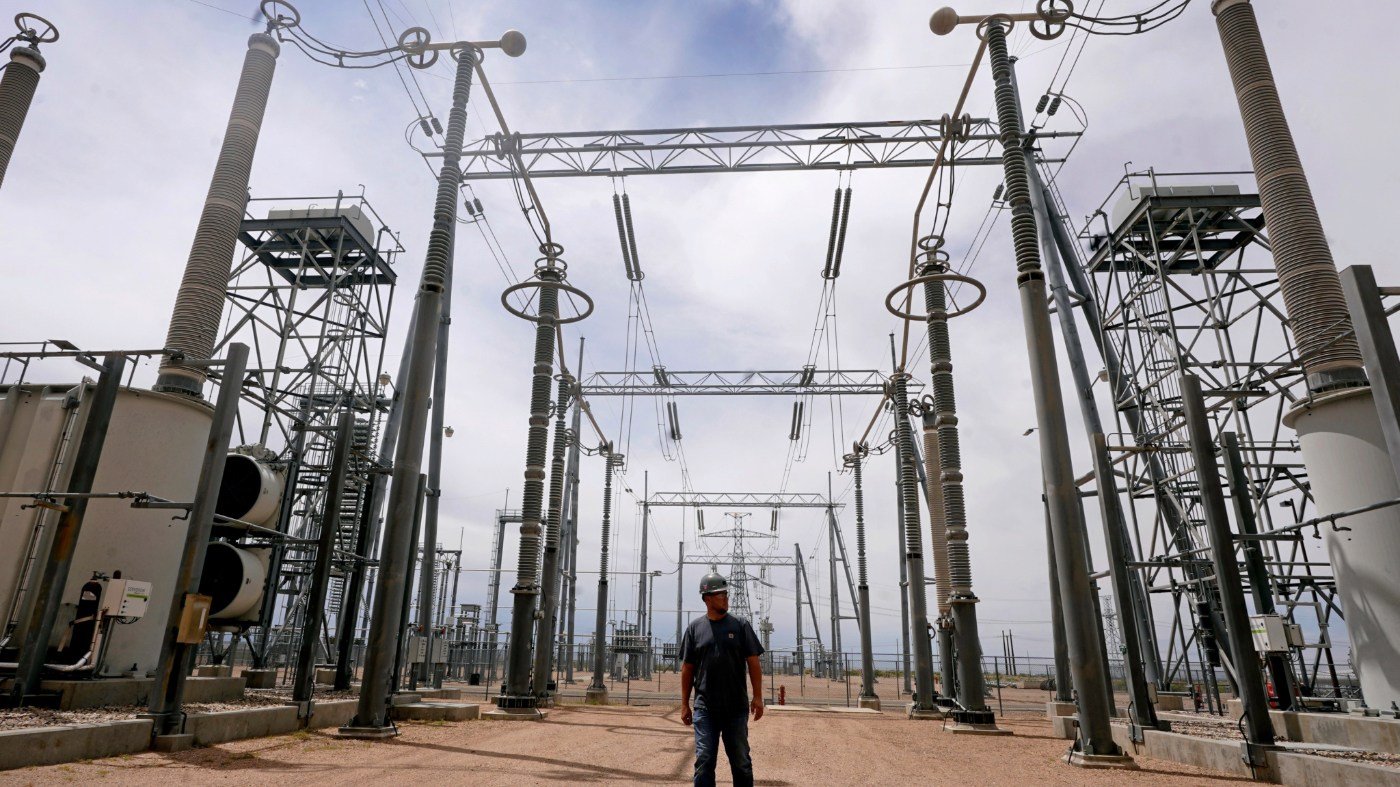
The bottleneck, they argue, is not just generation but the poles and wires that move electricity across state lines. Nevada and Utah sit along critical transmission corridors, yet the current patchwork of state-by-state permitting has created delays that ripple across the entire Western grid, driving up congestion costs and threatening reliability. Industry estimates suggest the region needs at least 12,600 miles of new or upgraded transmission lines by 2035.
To break the logjam, Cox and Lombardo are backing a new Western Governors Transmission Permitting Alignment and Coordination Task Force, a forum designed to streamline siting and permitting among states, counties, and tribes. The effort builds on Utah's Operation Gigawatt, a commitment to double reliable energy production within a decade, and Nevada's push to bring nearly 300 miles of interstate transmission online, supporting over 7.2 gigawatts of new solar and geothermal projects.
"Transmission infrastructure is most valuable when it stretches across state lines," the governors wrote, stressing that project-by-project planning is "too slow and too costly for the moment we are in." They point to WestTEC, a first-of-its-kind roadmap endorsed by 11 Western states, as the blueprint for a coordinated regional approach. WestTEC identifies priority corridors and investment needs, treating the grid as an integrated system rather than a collection of isolated projects.
The push comes amid broader federal debates over energy policy and grid resilience. The governors' call for regional cooperation echoes recent moves by the Trump administration to expedite energy infrastructure, though the Western effort is explicitly state-led. "Planning alone is not enough: We need action," Cox and Lombardo declared, signaling their willingness to use executive authority to accelerate permitting.
Analysts say the Western initiative could serve as a model for other regions grappling with similar grid constraints. "The scale of what we need to build demands a different approach," the governors wrote, calling for a "shared, regional view" of the West's energy future.
For now, the task force is set to convene state agencies and tribal representatives in the coming months, with a mandate to produce concrete permitting recommendations by early next year. "The West has always led by building big infrastructure and big industries," Cox and Lombardo concluded. "This is our opportunity to build the backbone of an energy superabundant future."