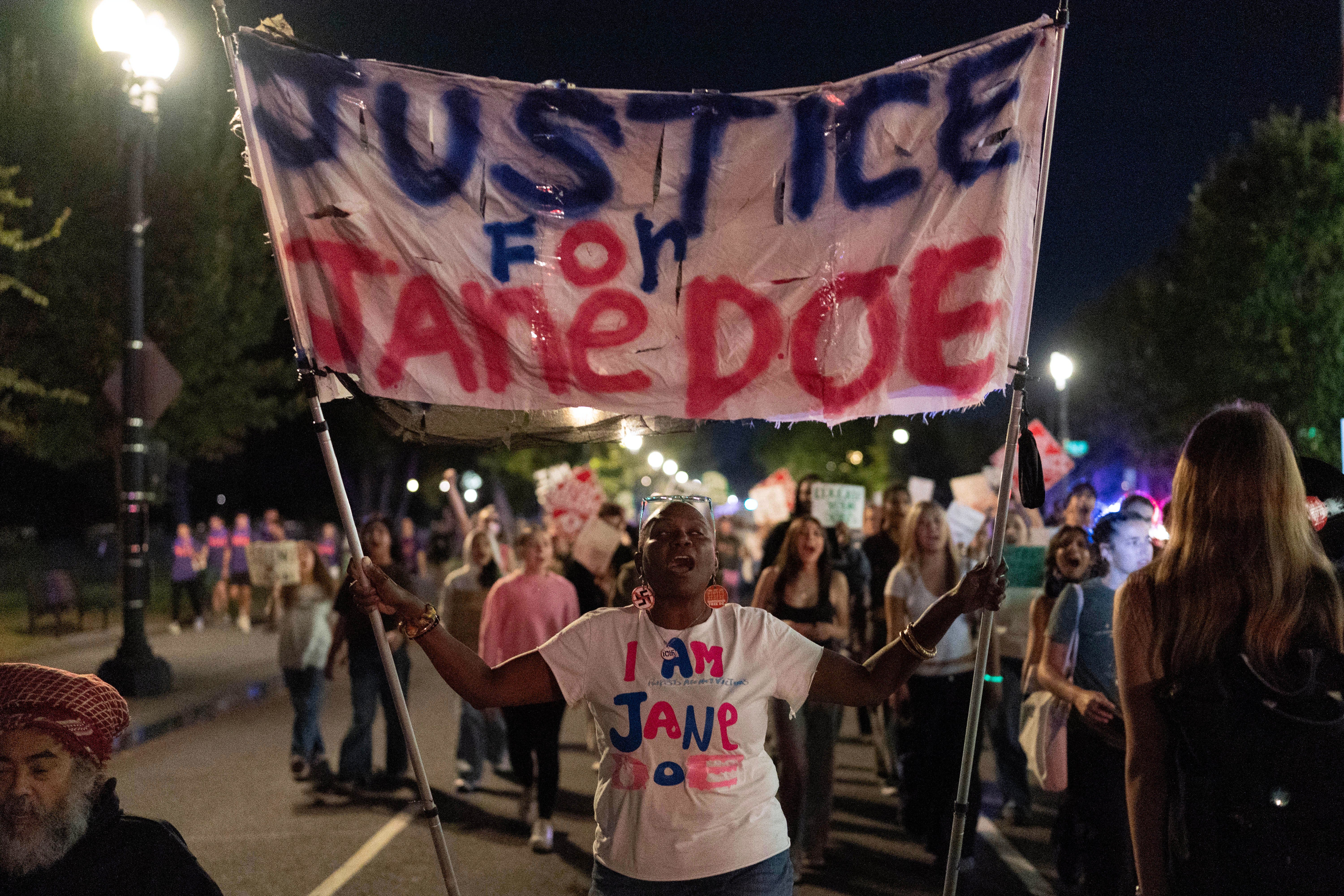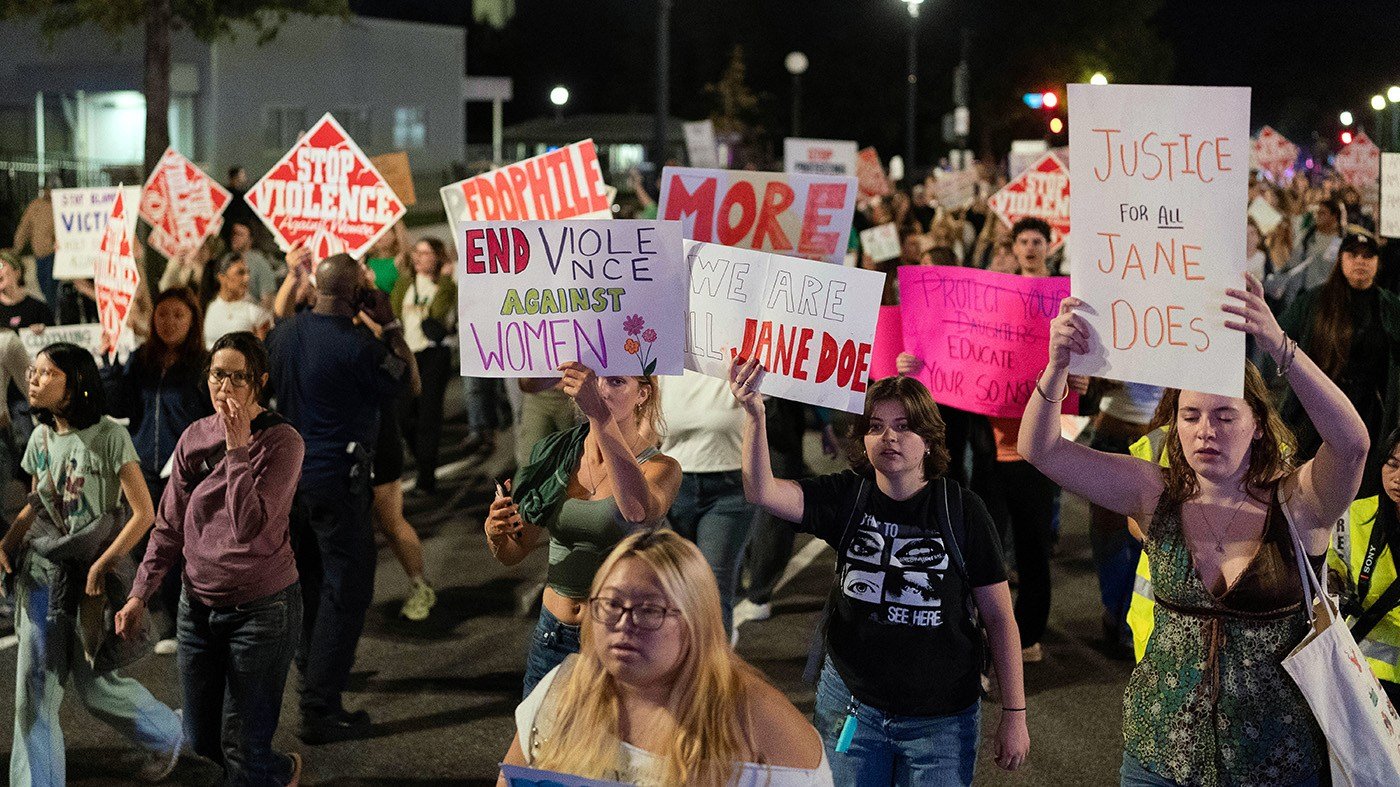
Cornell University President Michael Kotlikoff has conceded that he and the administration made mistakes in their initial handling of a student's allegations that she was gang-raped by fraternity members, but he defended his continued leadership and the steps taken since the case became public.
In an interview with The New York Times, Kotlikoff acknowledged that he learned of the alleged assault in November 2024 but never personally reached out to the student, identified in court filings as Jane Doe. He also said he was unaware of the disciplinary outcomes and did not know she had withdrawn from the university until her lawsuit was filed.
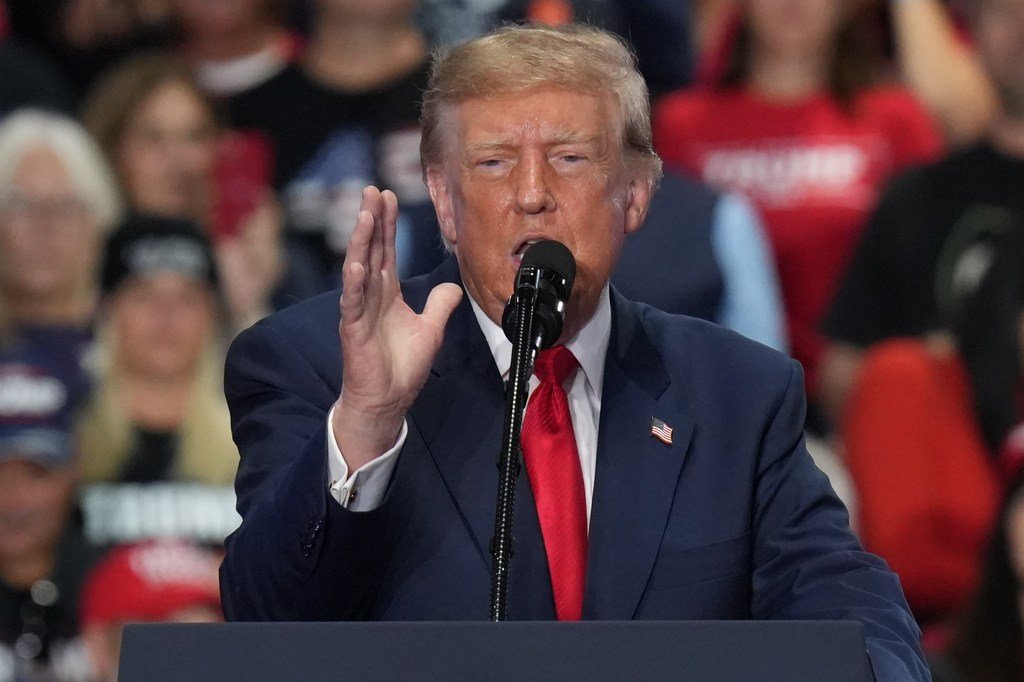
“The fact that Jane Doe experienced what she experienced at Cornell is something that I am personally sorry for,” Kotlikoff told the Times. “And I think this entire campus is sorry that occurred.”
He added, “I do think it's important to understand we have more information now than we had at that time.”
Doe alleges she was assaulted by seven members of the Chi Phi fraternity after being plied with drugs and alcohol. The case has ignited a firestorm on campus, with the Faculty Senate preparing a no-confidence vote against the administration. But Kotlikoff made clear he has no intention of stepping down, saying, “I've heard enough from the community that there is a loss of trust.”
Kotlikoff repeatedly pointed to a presidential task force created to combat sexual assault, insisting, “We don't set up a presidential task force for minor issues.” The interview came just hours before Cornell announced a ban on all fraternity parties for the rest of the academic year and pledged to hire dedicated sexual assault investigators for its campus police force.
The university has also begun reaching out to high school counselors to address concerns about recommending Cornell to prospective students. Kotlikoff acknowledged the difficulty of these conversations, telling the Times, “I've had a number of conversations with parents... I think this is a difficult conversation, particularly with the public that's gotten so much different information about what actually went on and aren't aware of these processes, and the complexity of a Title IX process.”
The controversy has drawn national attention, with critics questioning whether the university's response was adequate and whether political pressures influenced the handling of the case. The state attorney general's investigation has also raised concerns about bias in the university's procedures.
Meanwhile, legal battles continue, with defense attorneys seeking to gag Doe's lawyer amid the ongoing litigation. The university's decision to ban fraternity parties and add investigators is seen as an attempt to restore trust, but faculty and students remain skeptical.
Kotlikoff's refusal to resign sets up a clash with faculty members who have lost confidence in his leadership. The no-confidence vote, expected in the coming weeks, will be a key test of his ability to govern the university amid one of the most serious scandals in its recent history.