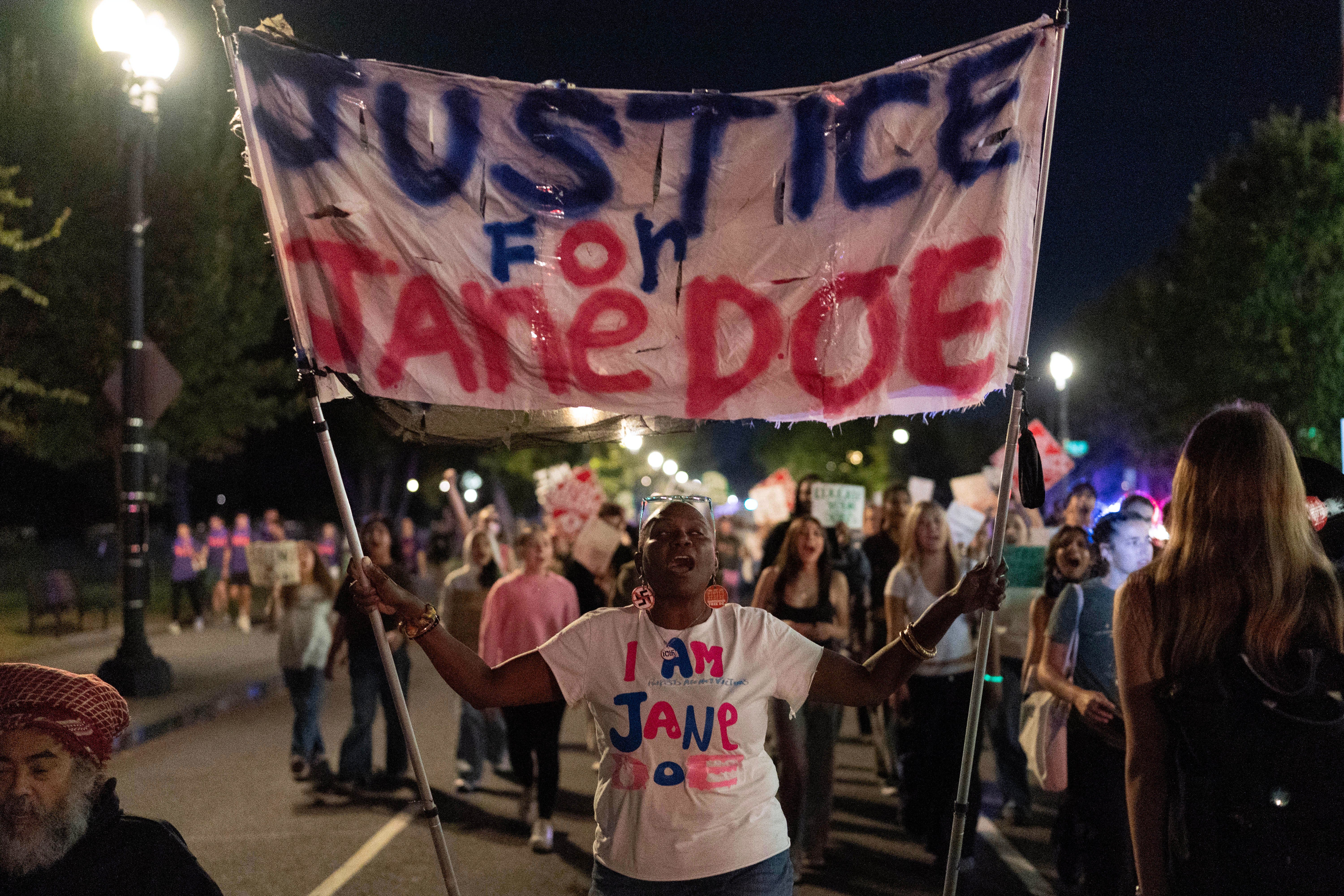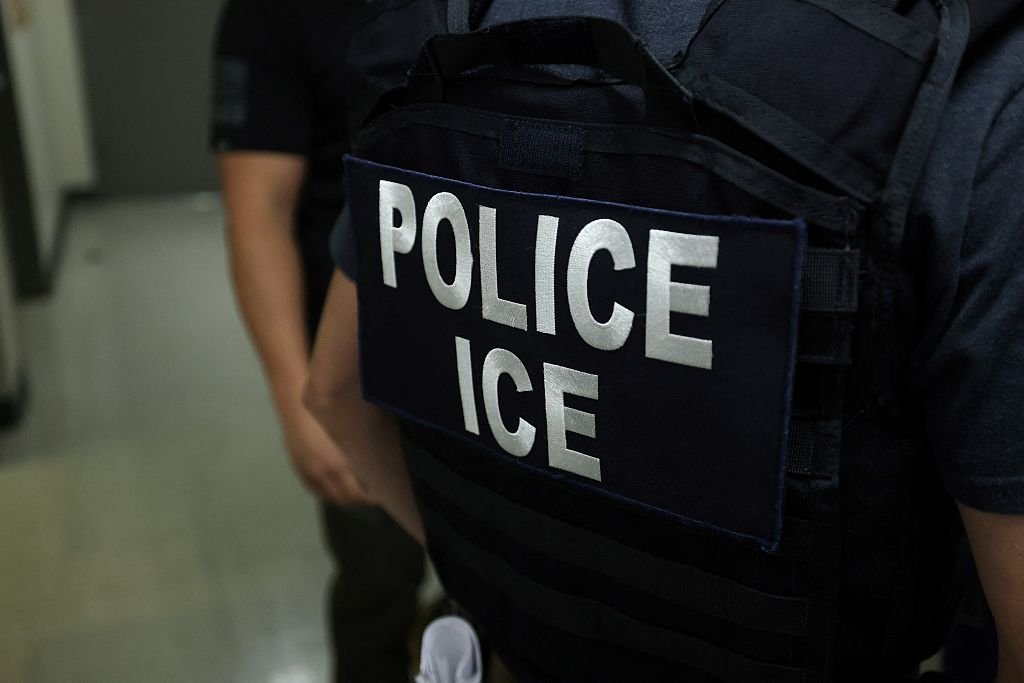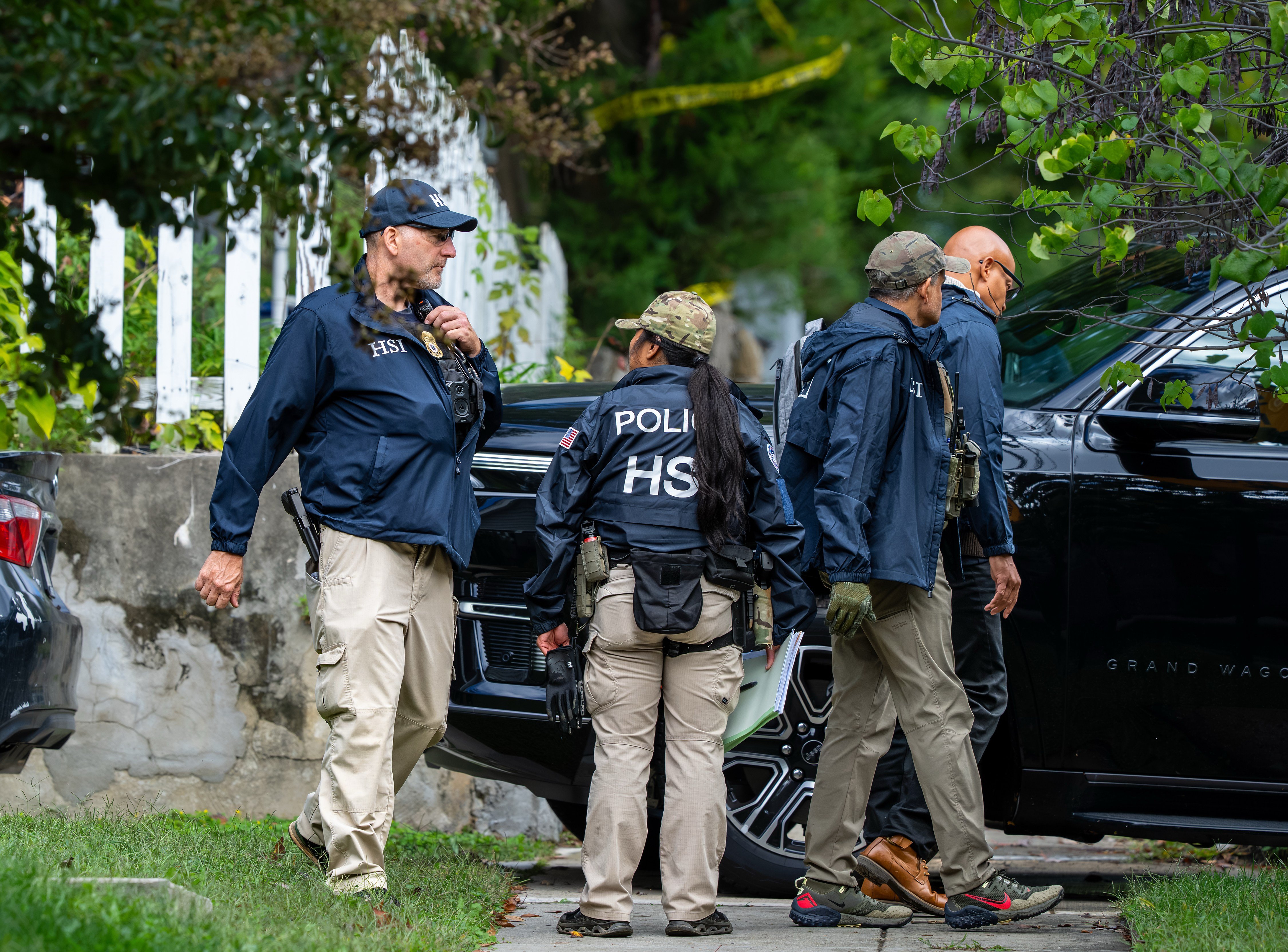
Federal immigration agents executed a raid on Representative Ilhan Omar's (D-Minn.) private residence early Monday, a move that critics immediately condemned as a brazen act of political retribution. The operation, which unfolded with unusual speed, was quickly reported by Fox News, citing multiple unnamed sources within the Department of Homeland Security (DHS) who appeared eager to leak details unfavorable to Omar.
Omar, a Somali-born lawmaker and one of President Trump's most outspoken adversaries, has long been a target of his ire. Trump has repeatedly called for her deportation, including during his February State of the Union address, when he singled out Omar and Representative Rashida Tlaib (D-Mich.). The raid represents a sharp escalation in that feud, moving from rhetoric to direct action by federal authorities.
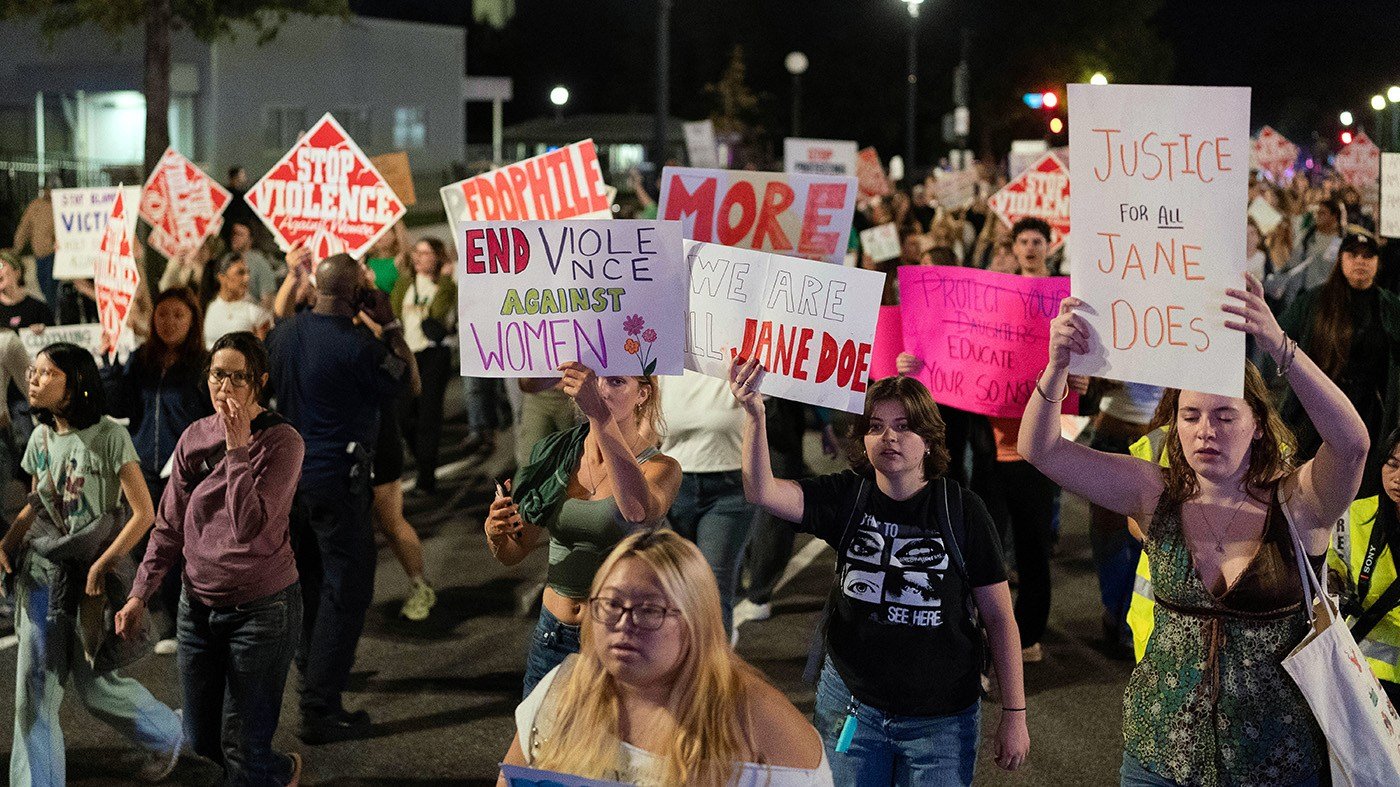
“Make no mistake: this is an attempt to target political enemies and weaponize federal law enforcement,” Omar wrote on X shortly after the raid. “For ten years, Trump has targeted me with baseless lies and smear campaigns. This is just the latest escalation in his campaign of political intimidation.”
The stated justification for the raid centers on immigration paperwork filed by Omar's father in 1995, when she was a child. Legal experts note that a minor cannot be held liable for documents signed by a parent, making the rationale legally dubious. Additionally, long-circulated rumors of marriage fraud involving Omar and her brother, which have been promoted by conservative media and even Representative Nancy Mace (R-S.C.), have never been substantiated with evidence.
This raid is part of a broader pattern of Trump using government power against perceived enemies. His administration has previously pursued investigations into figures like New York Attorney General Letitia James and former FBI Director James Comey, both of whom have been vocal critics. Trump has also attempted actions against Federal Reserve Chair Jerome Powell, Senators Mark Kelly, Adam Schiff, and Elissa Slotkin, and California Governor Gavin Newsom, with most efforts stalling or failing.
The Republican response has been notably muted, a stark contrast to the party's earlier complaints about Democratic “lawfare.” Critics argue that this silence emboldens further abuses and undermines the rule of law. As one analyst put it, the raid on Omar's home is “the stuff of Soviet nightmares, not American greatness.”
While Trump's tactics may aim to silence dissent, they appear to have the opposite effect, galvanizing opposition and drawing attention to his administration's disregard for legal norms. The raid on Omar's home, however, marks a troubling new threshold in the weaponization of federal agencies for political ends.
As the administration continues to push the boundaries of executive power, the lack of bipartisan oversight raises serious questions about the future of democratic governance. The incident also underscores the fragility of institutional checks when political leaders are willing to exploit them for personal vendettas.