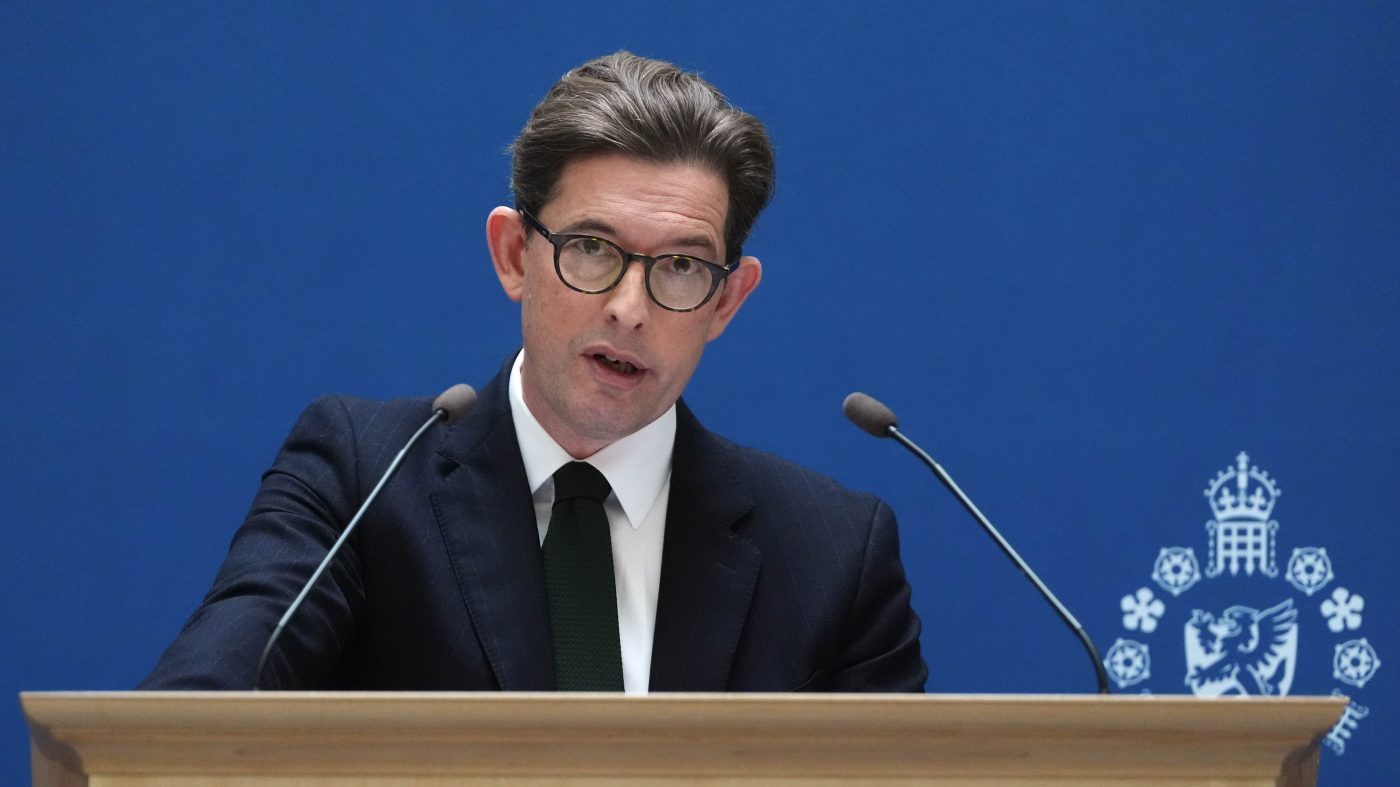
Iran has intensified efforts to strike military installations in the United Kingdom, according to MI5 Director General Ken McCallum. In a rare public address on Tuesday, McCallum identified a suspected plot against a US-run air base last month as part of a broader Iranian campaign targeting harder targets, marking a significant shift in Tehran's tactics.
McCallum described the threat to British military sites, intelligence facilities, and other high-security locations as a “major shift this year” in Iranian ambitions. He specifically referenced the September 27 incident at RAF Fairford in southern England, calling it “not unique,” and noted that there have been “other examples” of similar threats not only in the UK but also internationally, particularly in Iran's own region.
The suspected plot at RAF Fairford, believed to involve a drone attack ordered by Iran's Islamic Revolutionary Guard Corps, prompted the US military to hastily relocate the 12 B-1 bombers stationed there. The bombers had been supporting the Trump administration's ongoing military campaign in Iran, now in its eighth month. The aircraft were moved back to their home bases in the United States as a precaution.
British authorities initially arrested five British nationals in their 20s on explosives and terror charges near the air base, but they were released on bail the following day. Two additional men have since been arrested on suspicion of preparing terrorist acts, also released on bail. Iran has denied any connection to the suspected plot.
McCallum's speech, intended to outline the most pressing threats to the UK, revealed that British authorities have made more than 50 arrests in “Iran-linked operations” over the past 12 months. This marks a notable escalation from lower-level attacks, such as arson and stabbings, which have been carried out by Iranian proxies and have targeted Jewish communities.
McCallum characterized the current security environment as a “new era of national security,” citing both Russia and Iran as drivers of increased hybrid warfare campaigns against the UK. He also touched on the broader implications of such threats, which have been a focus for Western intelligence agencies, as seen in recent arrests in Germany.
Despite the heightened alert, McCallum offered a measure of reassurance, stating that Iran has not demonstrated “anywhere near the level of capability” required to launch a sophisticated attack on UK military installations. He emphasized that British security services have seen no evidence of such advanced capacity in practice.
The warning comes amid growing concerns about Iran's proxy activities across Europe and the Middle East. The suspected plot at RAF Fairford underscores the evolving nature of threats to NATO assets, a topic that has drawn attention in discussions about military readiness and legal boundaries. McCallum's remarks also highlight the increasing importance of counterintelligence in an era of state-sponsored hybrid threats.
While the immediate threat at RAF Fairford was neutralized, the MI5 chief's comments signal that Iran remains a persistent and adaptive adversary. The UK's security services are bracing for continued attempts, even as they work to disrupt networks and prevent attacks before they materialize.