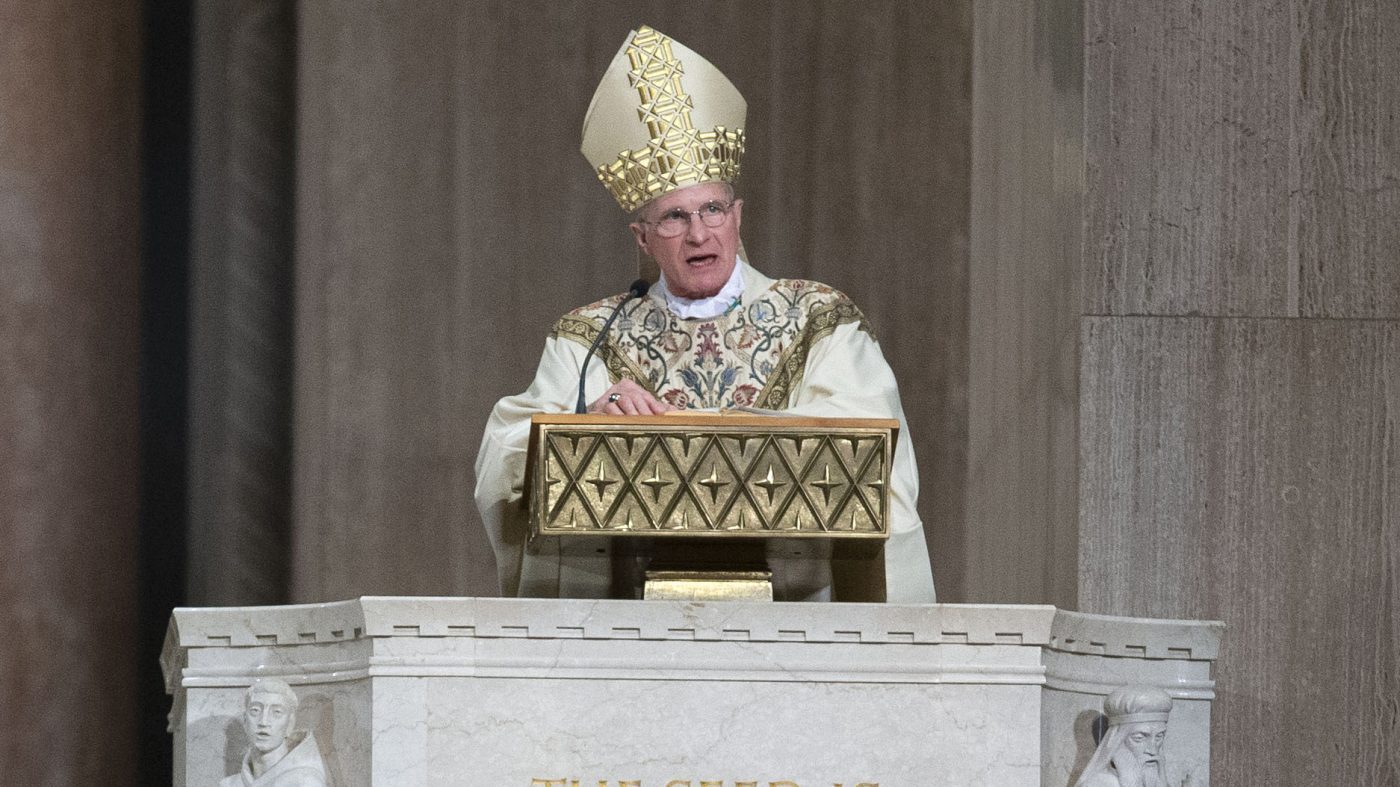
Archbishop Timothy Broglio, who leads the Archdiocese for the Military Services, on Monday criticized the Trump administration's plan to livestream the execution of Nidal Malik Hasan, the former Army major convicted in the 2009 Fort Hood shooting. Broglio warned that broadcasting the death could amount to imitating terrorists and undermine the moral standing of the U.S. military.
In a statement, Broglio expressed sympathy for the victims' families, noting that he had presided over the funeral of Michael Grant Cahill, one of those killed in the attack. He reiterated the Catholic Church's opposition to capital punishment, saying Pope Francis has made that teaching even clearer. "Do we really want to imitate the terrorists of this world and make a public spectacle of barbarically killing our adversaries?" Broglio asked. "The crime committed by Nidal Malik Hasan was heinous, but does exposing the public to his execution serve any purpose?"
Broglio also raised concerns about the potential moral injury to the firing squad members and the impact on young viewers. "Has the potential moral injury, which the members of the firing squad might experience, been considered?" he said. "Will the exposure of a livestream to the young and impressionable during the 250th anniversary year of our independence be able to be repaired?"
He questioned whether the decision reflected respect for human dignity and called on service members to stop the livestream. He urged Catholic members of the firing squad to seek exemption from the action, which he said conflicts with church teaching.
The Pentagon declined to directly address Broglio's remarks, instead pointing to Defense Secretary Pete Hegseth's brief response to a CBS News social media post about the livestream: "Correct." Hegseth announced last Thursday that Hasan's execution would be streamed and open to the public, scheduled for Dec. 3 at Fort Hood—the same day of the week Hasan planned his attack. The announcement has drawn bipartisan criticism, with lawmakers from both parties urging the Pentagon to reverse the decision. Sen. Kevin Cramer (R-N.D.) warned that the stream could fuel radicalization, echoing concerns raised by other critics, including a Marine veteran who argued that live broadcasts would betray American values.
Homeland Security Secretary Markwayne Mullin defended the plan on Sunday, saying it is part of President Trump's effort to restore American values. He dismissed worries about radicalization. "I think people need to understand, if you attack America, we will come after you, and we will make sure that the punishment fits the crime," Mullin said on CBS News' "Face the Nation." "I have no sympathy for him, and I give absolutely zero thought to the way that this man dies." His comments align with a broader push by the administration, as seen in Mullin's defense of the livestream.
The debate over the execution comes amid other controversies, including pre-midterm backlash over the livestream and a reported wavering by Trump on the decision. The Vatican has also weighed in, with Pope Leo rejecting the death penalty as the Pentagon moves forward.
Broglio's intervention adds a significant religious voice to the growing opposition, which includes GOP lawmakers condemning Hegseth's plan. The archbishop's questions about moral injury and the dignity of the human person underscore the ethical dimensions of the decision, which will be watched closely as the execution date approaches.