In 2004, as a Marine recruit at Parris Island, Joslin Joseph was forced to watch a video of a man in an orange jumpsuit being beheaded by terrorists. The victim was Nick Berg, and his executioner was Abu Musab Zarqawi. The drill instructors said it was revenge for the Abu Ghraib scandal and that such brutality separated Americans from their enemies.
Joseph, now a political commentator and Marine veteran, recalls that moment as a turning point in his understanding of American values. He argues that the Trump administration's proposal to livestream the execution of the Fort Hood shooter represents a dangerous regression, driven by fear of terrorism.
“Since 9/11, we have regressed our society because of a fear of terrorism — a fear that our politicians really want us to feel at all times,” Joseph writes. He points to the embrace of torture, secret prisons, mass surveillance, drone strikes on weddings, and the invasion of Iraq as examples of how fear has eroded moral standards.
Joseph notes that veterans like the late Sen. John McCain warned against such measures. McCain argued that torture “hurt us a great deal and did provide a propaganda tool for our enemy.” But those warnings were ignored.
The result, Joseph argues, has been a flourishing of terrorism worldwide, from the Taliban's return in Afghanistan to the rise of the Islamic State. He also sees a domestic threat in disaffected youths embracing extremism.
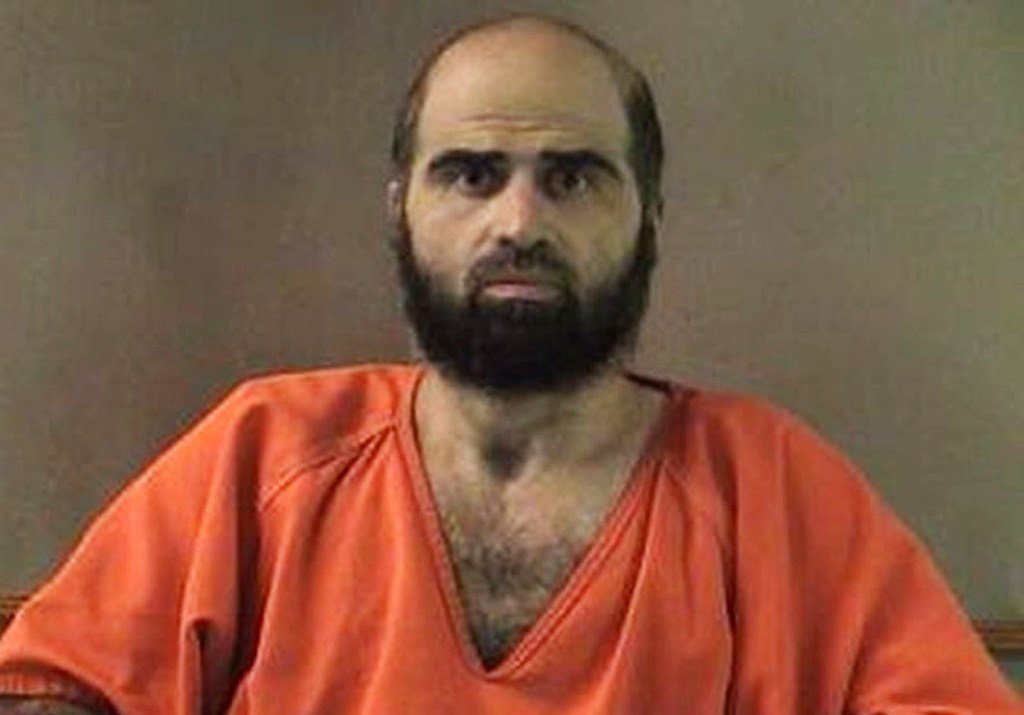
On the proposal to livestream the execution of the Fort Hood shooter, Joseph says he supports the death penalty for that individual but rejects the method. “Livestreaming an execution is yet another way we have caved in and given up our values because of our fears,” he writes. He believes it would make the United States no different from terror groups that release snuff films.
Joseph also points out that Muslims have condemned such acts. After Berg's execution, many Muslims spoke out, and the Islamic State is often referred to as “Daesh” to avoid associating the group with Islam. He argues that public executions are exactly what people flee from in autocratic countries.
Defense Secretary Pete Hegseth has suggested that livestreaming the execution would send a message. But Joseph counters that such a move would be a propaganda victory for the enemy and a betrayal of Western values. He asks how Secretary of State Marco Rubio's recent speech on Western civilization can be reconciled with public executions.
Joseph concludes that the United States must reject the terrorist playbook and uphold its own moral compass. He calls on leaders to resist fear-driven policies that undermine the very principles they claim to defend.