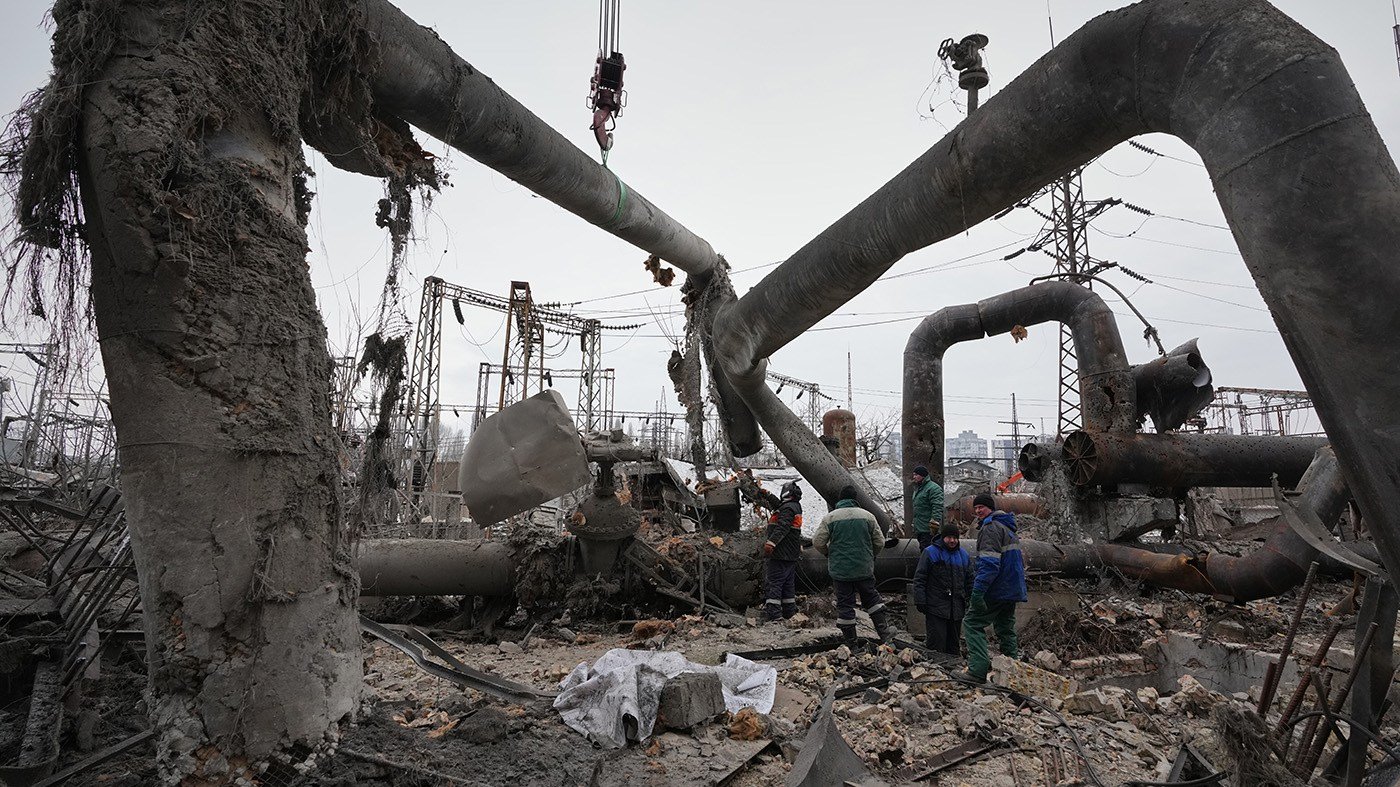
Russian forces struck a thermal power plant in Kharkiv on Sunday evening, just hours after President Donald Trump announced that Moscow and Kyiv had agreed to an "energy ceasefire." The attack directly challenged the credibility of Trump's claim and underscored the fragility of any diplomatic progress in the war.
A local official told ABC News that the plant was hit twice and was on fire. Ukrainian President Volodymyr Zelensky confirmed the strike and other attacks in a statement on X, saying, "Unfortunately, Ukrainian skies have been infested with Russian 'shaheds' all day today. There have been glide bomb strikes and strikes on our energy infrastructure too. A power plant in Kharkiv was attacked this evening."
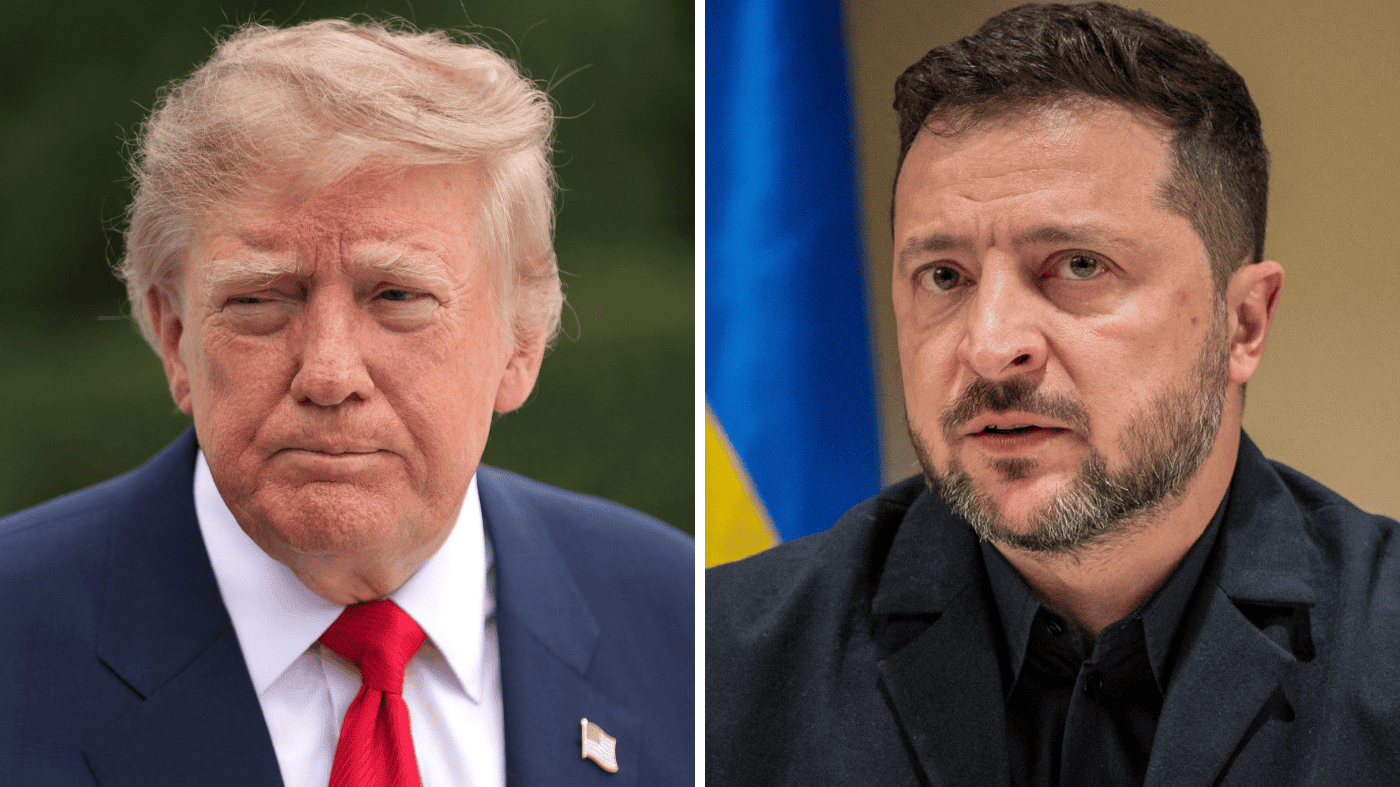
Trump had earlier declared on Truth Social: "Effective immediately, there is an ENERGY CEASEFIRE in the War between Russia and Ukraine. Both parties have agreed. Do not break it!" But Zelensky told Axios that the announcement "was news for me. But if Russians agree to an energy ceasefire, Ukraine will agree." He added on X that Ukraine wants peace, but questioned whether Russia does, and said Ukrainian forces have received appropriate orders while awaiting details of U.S.-Russia talks.
The strikes come amid a broader controversy over Trump's Russia policy. On Friday, the president announced that Russia would supply over 300,000 tons of diesel fuel to the U.S. and global markets, a move that would lift sanctions on Russia and boost its economy. The diesel deal has sparked bipartisan backlash, with Senate Minority Leader Chuck Schumer calling it "filthy" and a "deal with the devil." As criticism mounts over the diesel deal, the administration faces pressure to address rising energy costs ahead of the midterm elections.
Zelensky's grievances are expected to be aired on Sunday, as Trump's diesel deal draws bipartisan fury. The attack on Kharkiv also highlights the ongoing threat to Ukraine's energy infrastructure, which has been a frequent target of Russian strikes. The contradiction between Trump's ceasefire claim and the reality on the ground raises questions about the reliability of his diplomatic assertions.
Meanwhile, some lawmakers are pushing back against the administration's Russia stance. A bipartisan bill to block Russian oil imports has been introduced, reflecting concerns that the diesel agreement undermines efforts to punish Moscow. The White House has not responded to requests for comment on the Kharkiv strike or the ceasefire claim.
The incident is likely to intensify scrutiny of Trump's foreign policy and its domestic political implications. With midterms approaching, the administration's handling of Russia and energy prices could become a flashpoint. For now, the attack on Kharkiv serves as a stark reminder that ceasefires announced in Washington may not hold on the battlefield.