President Trump's decision to permit Russian diesel into U.S. and global markets has ignited a firestorm of bipartisan criticism, with lawmakers accusing the administration of undermining sanctions passed just weeks earlier. The deal, announced Friday, would see Russia immediately release 300,000 tons of diesel to address global fuel shortages, with an additional 500,000 tons in November and 1 million tons monthly thereafter. Trump said the arrangement followed a "highly successful discussion" with Russian President Vladimir Putin.
Ukrainian President Volodymyr Zelensky denounced the move as a "birthday gift" to Putin to "kill us, kill our children." The backlash came before Trump announced an energy ceasefire between Ukraine and Russia, which would halt strikes on each other's energy infrastructure. Zelensky, who spoke with Canadian Prime Minister Mark Carney, Finnish President Alexander Stubb, and NATO Secretary-General Mark Rutte, said the ceasefire was good news but stressed that Ukraine awaits clear details of U.S.-Russia dialogue and expects Putin to follow through. "The Armed Forces of Ukraine have received all the appropriate orders," he wrote on X.
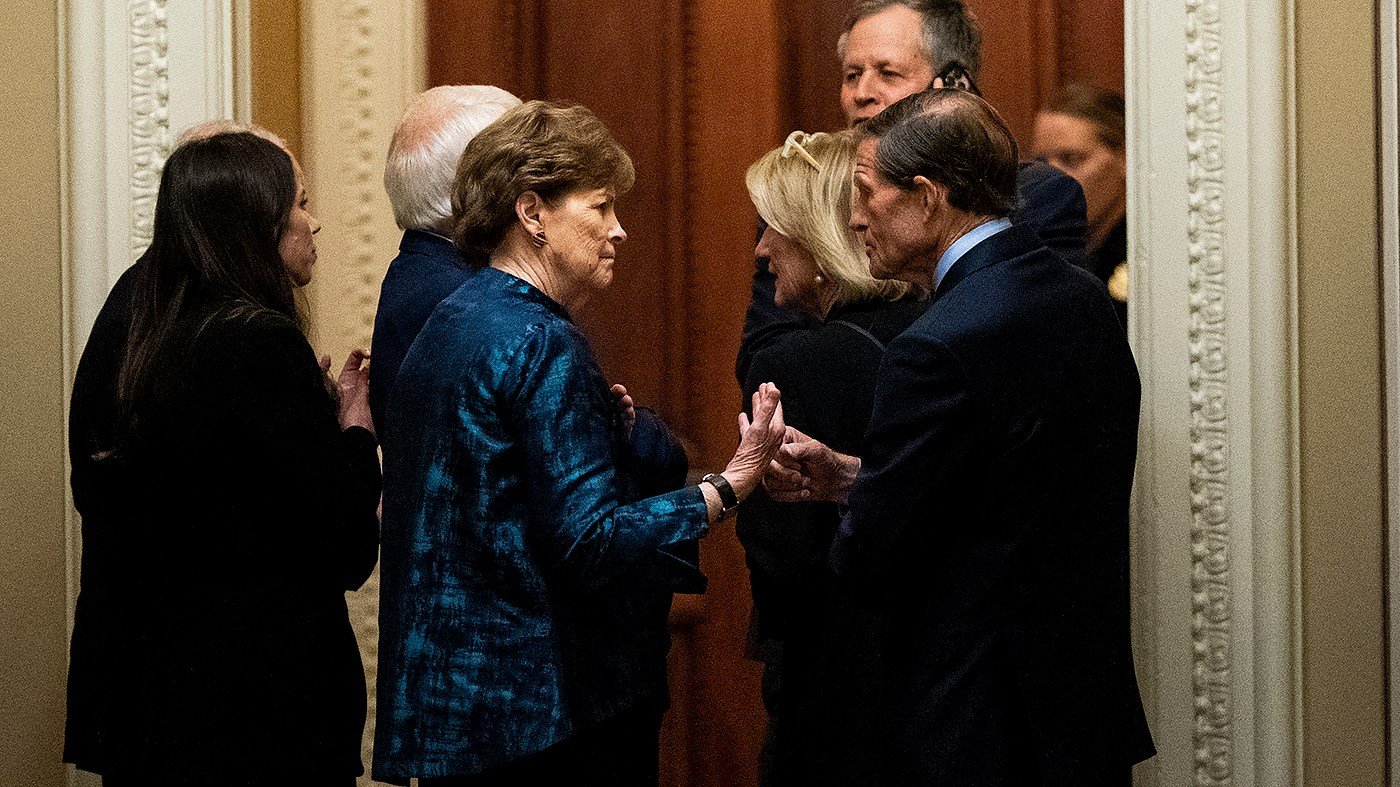
The Treasury Department confirmed it will lift sanctions on Russia to facilitate the fuel shipments—just weeks after Trump signed the Lindsey O. Graham Sanctioning Russia Act, which imposed tougher sanctions. A bipartisan group of lawmakers, including Senate Foreign Relations Committee ranking member Jeanne Shaheen (D-N.H.), slammed the deal on Sunday, arguing the U.S. should not provide Putin a "financial lifeline while Russia continues to kill Ukrainian civilians." They noted that Congress explicitly banned Russian energy imports in 2022 to prevent American dollars from financing the war.
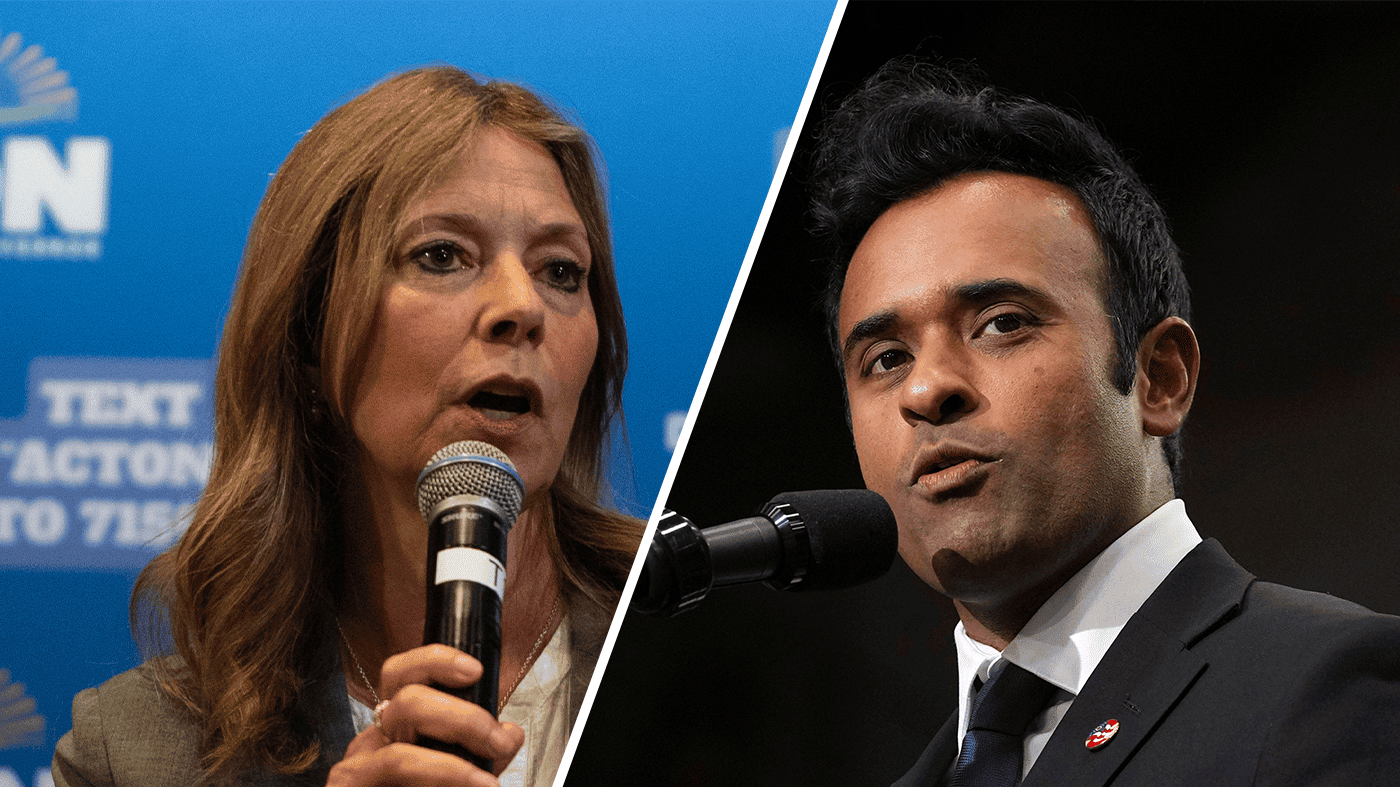
Sen. Lisa Murkowski (R-Alaska) broke with her party, urging Trump to use the law to increase sanctions and tariffs on Russia "instead of allowing Russia to export diesel, rake in revenues, and continue its catastrophic war in Ukraine." Rep. Don Bacon (R-Neb.), a co-sponsor of the Ronald Reagan Peace Through Strength Act, a bipartisan bill to block Trump from lifting sanctions, wrote on X that "buying Russian fuel is the wrong answer" and called for using sanctions to "squeeze Putin's war machine."
Democrats were equally scathing. Rep. Steny Hoyer (D-Md.) called it "outrageous" to purchase Russian diesel after signing the toughest sanctions on its oil and gas. Rep. Bill Keating (D-Mass.) labeled the deal "a disturbing capitulation" to Putin, while Sen. Chris Van Hollen (D-Md.) tied it to the Iran war, saying Trump "wants to bankroll Putin's illegal war against Ukraine by buying diesel from him."
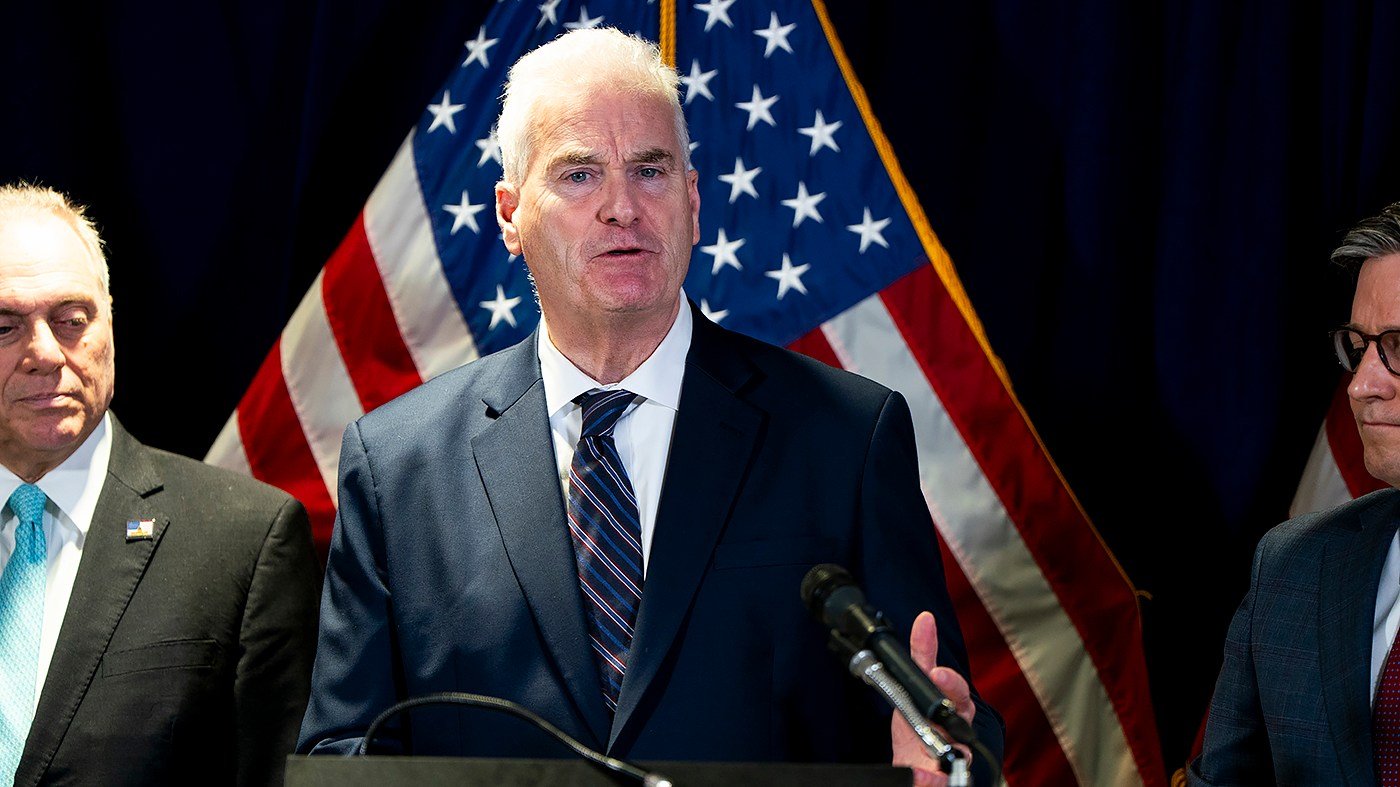
However, some Republicans defended the president. Senate Majority Whip John Barrasso (R-Wyo.) told CBS's "Face the Nation" that the diesel deal gives Trump "another point of leverage" against Putin and rejected the notion that it mocks the sanctions law. House Majority Whip Tom Emmer (R-Minn.) told ABC's "This Week" that it was "another example of our president thinking out of the box" and that Trump is "the president of peace."
The controversy comes as Zelensky is set to air grievances on Sunday, with tensions flaring over the sanctions lift. The White House has not commented on the growing backlash, but the deal's opponents vow to take legislative action. As the midterms approach, the rift within the GOP and the sharp Democratic opposition signal that Russian diesel could become a defining issue.