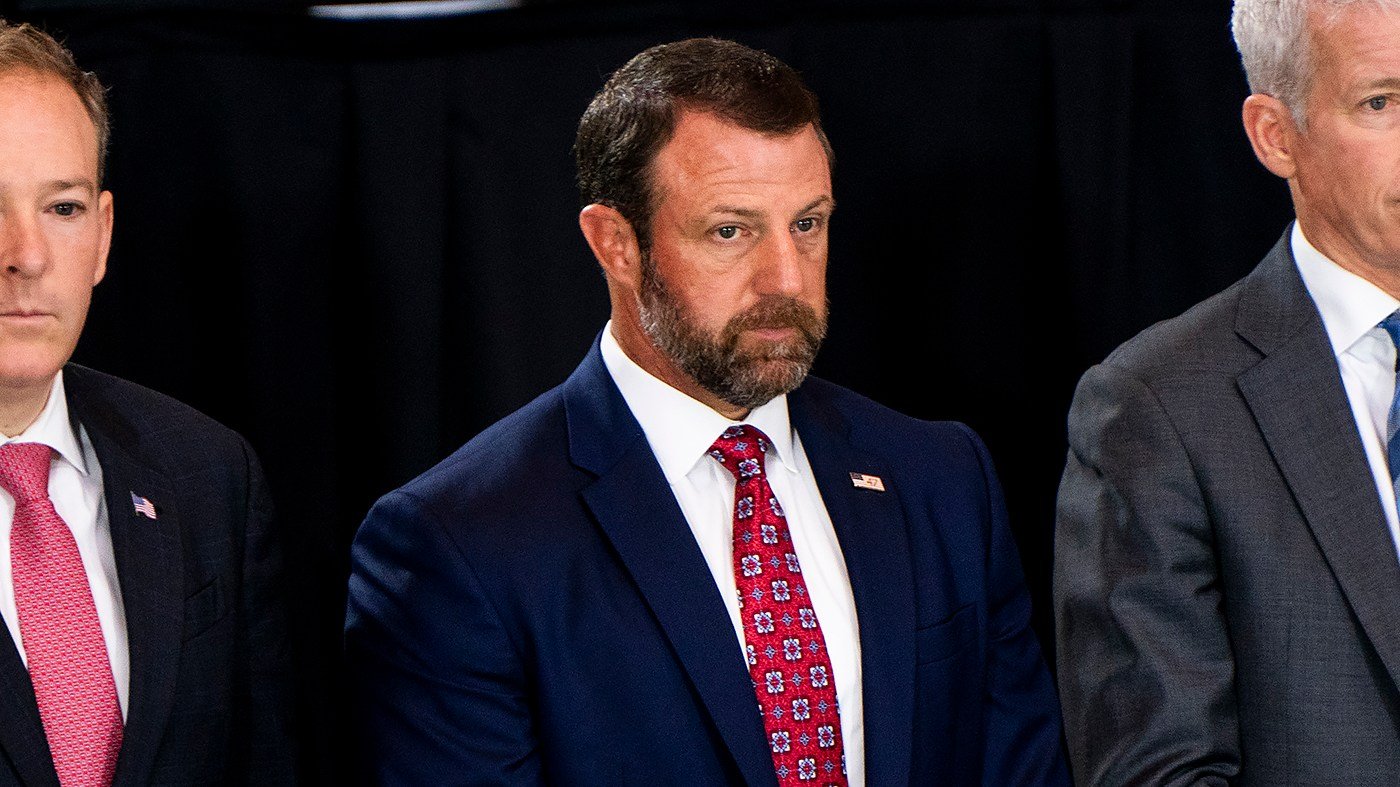
Homeland Security Secretary Markwayne Mullin on Sunday defended the Trump administration's plan to livestream the military execution of Nidal Hasan, the former Army psychiatrist convicted of the 2009 Fort Hood massacre, even as bipartisan criticism mounts over the unprecedented move.
Appearing on CBS News' "Face the Nation," Mullin brushed aside concerns that broadcasting Hasan's death by firing squad could inspire extremists or turn the convicted mass murderer into a martyr. "First of all, no one has to watch it," Mullin said when host Margaret Brennan asked whether the livestream posed a national security threat.
Pressed on why Defense Secretary Pete Hegseth would authorize the broadcast, Mullin pointed to President Trump. "I follow President Trump. He's a commander-in-chief of the country, and he does a phenomenal job," Mullin said. "He leads this country with a very, very, very direct, forward, straight hand, and he's restoring American values."
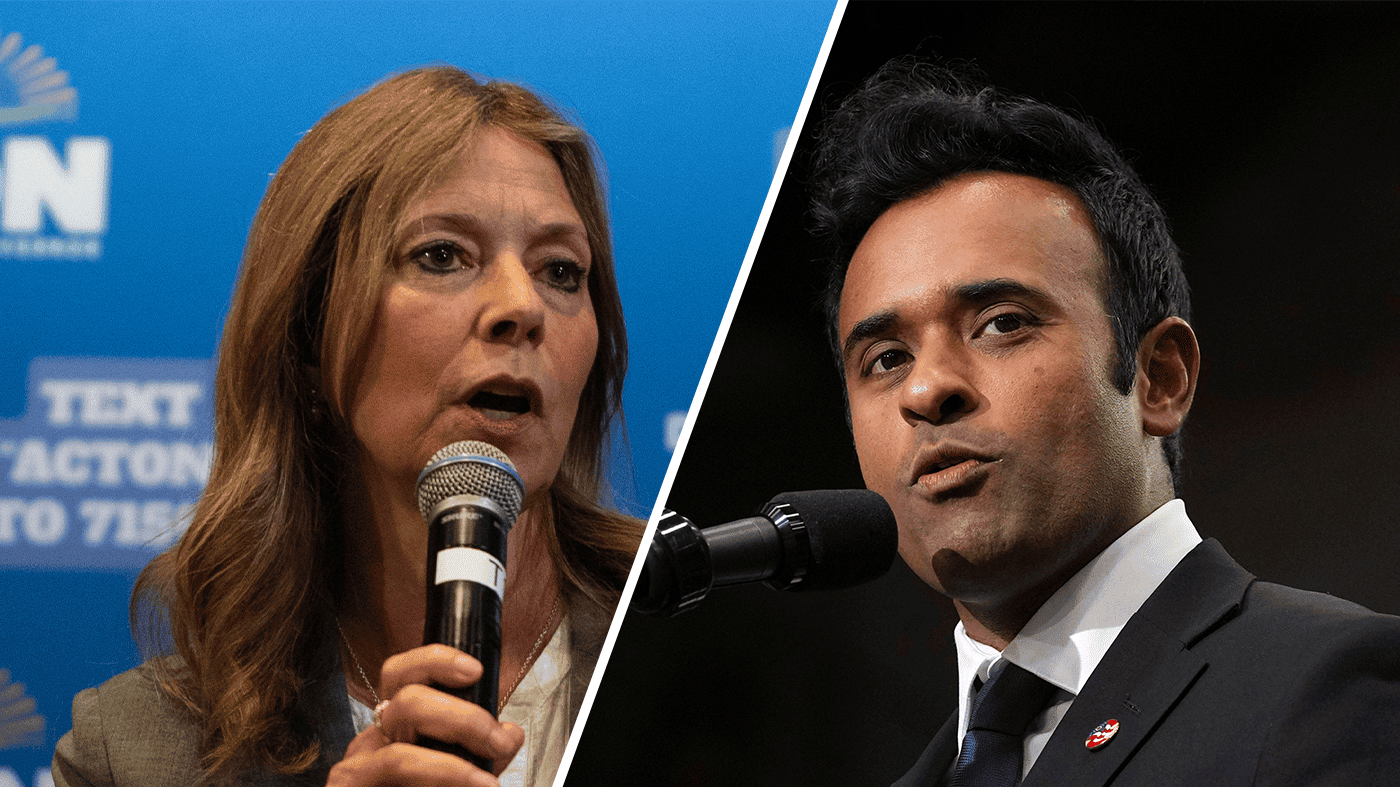
The plan has drawn rebukes from lawmakers in both parties. Sen. Lisa Murkowski (R-Alaska) on Friday urged Hegseth to reverse the decision, warning that livestreaming the execution could amplify Hasan's notoriety and fulfill his desire for martyrdom. "There is no need to livestream any execution, including this one," Murkowski wrote on X. "I would expect this from terrorists and dictators, but not here in America."
Sen. Kevin Cramer (R-N.D.) also voiced concern that the broadcast could fuel radicalization. But Mullin dismissed those warnings, saying he saw no increased security risk. "I don't see an elevated risk at this point at all because of this," he said. "I think people need to understand, if you attack America, we will come after you, and we will make sure that the punishment fits the crime."
Mullin added, "I have no sympathy for him, and I give absolutely zero thought to the way that this man dies."
Trump told reporters on Saturday that he will "make a decision ultimately" on whether to proceed with the livestream, though he has said he "absolutely" approves of the execution. The debate over the livestream has become a flashpoint, with critics arguing it sets a dangerous precedent and supporters insisting it delivers justice. The controversy comes as the administration faces broader scrutiny over its approach to capital punishment, including Pope Leo's rejection of the death penalty.
Hasan, who killed 13 people and wounded more than 30 others at Fort Hood in Texas, was convicted in 2013 on 45 counts of premeditated and attempted murder and sentenced to death. His execution, scheduled for Dec. 3, would be the first military execution in more than six decades.
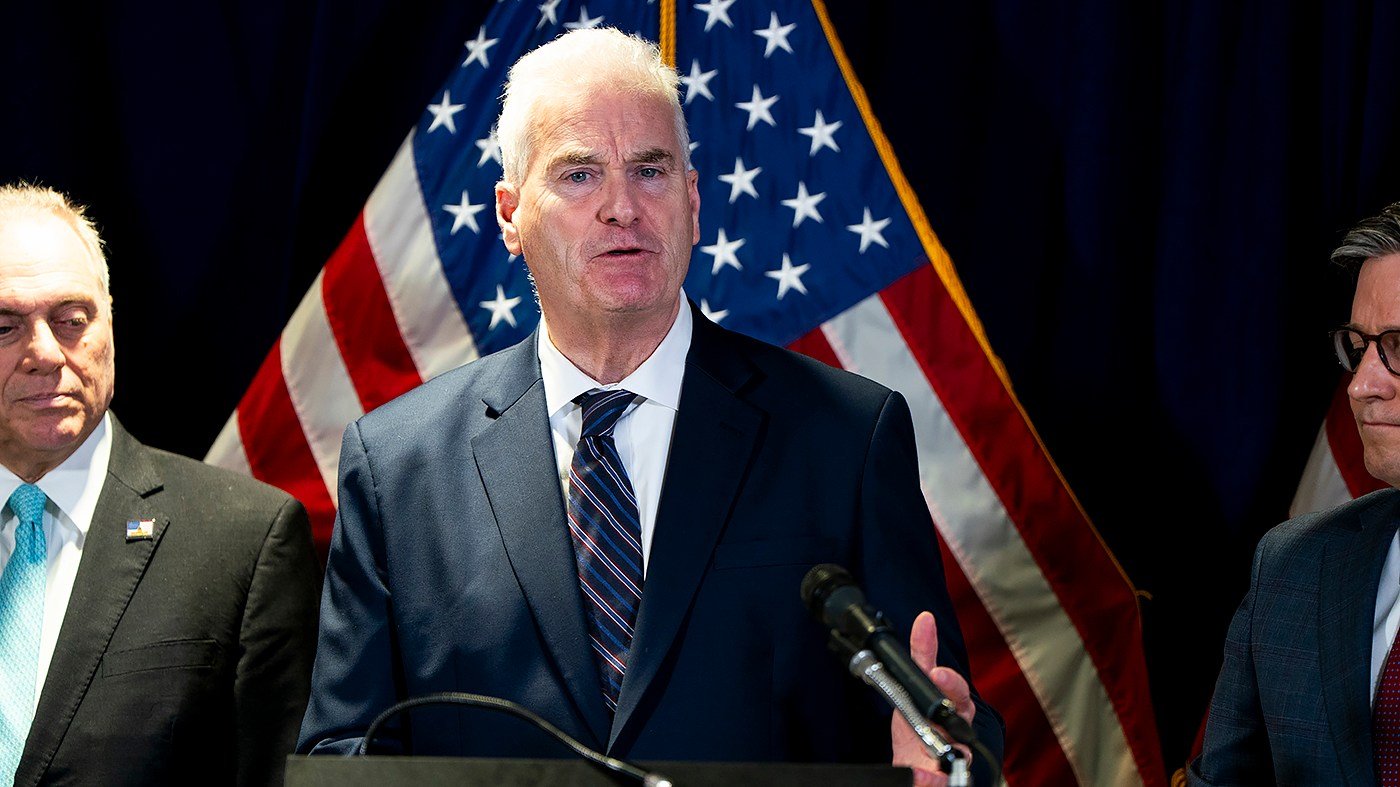
The decision to livestream has also intensified political battles ahead of the midterms, with some Republicans backing Trump's call, such as Rep. Tom Emmer's support for the livestream, while others worry about the implications. As the administration presses forward, the controversy shows no signs of abating, with the President's allies and critics alike awaiting his final decision.