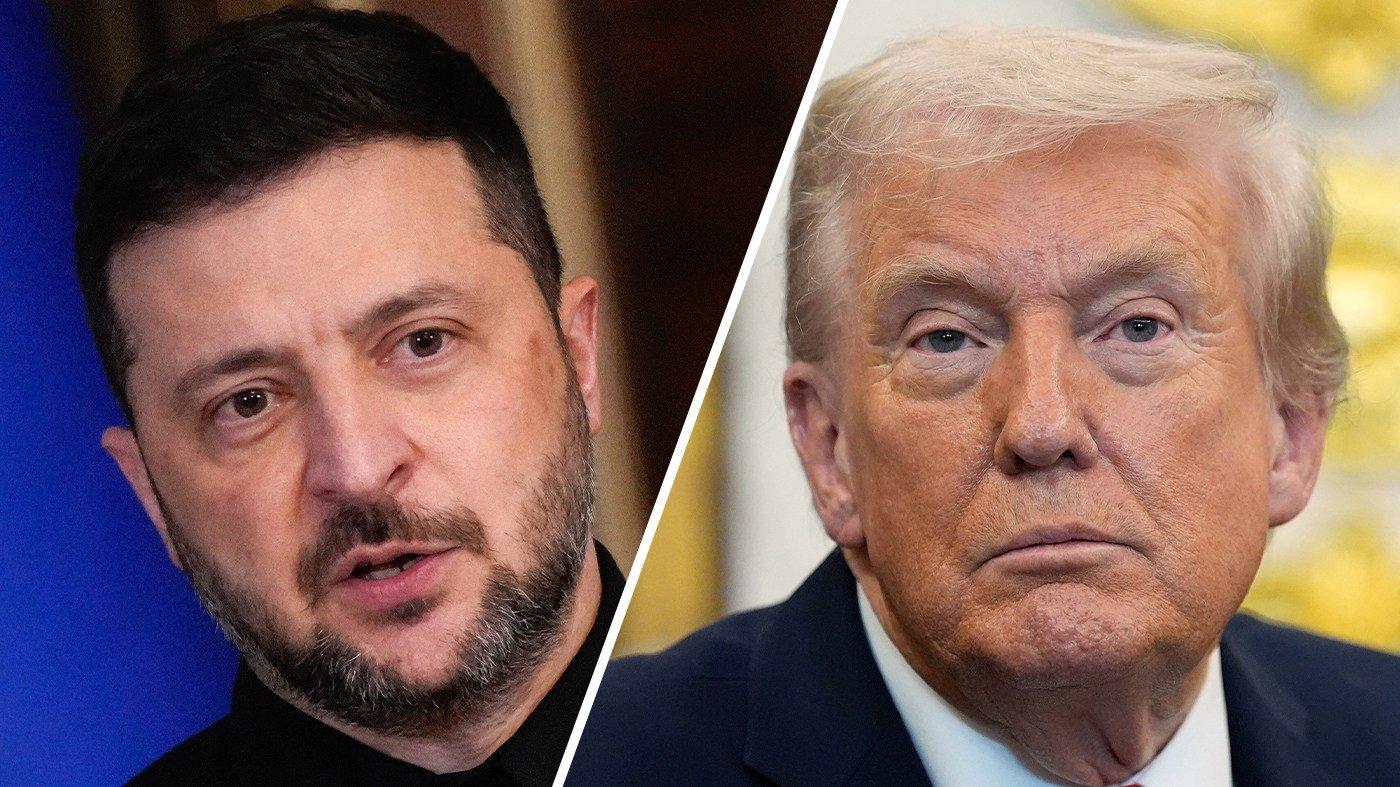
Ukrainian President Volodymyr Zelensky has sharply criticized President Donald Trump as "weak" for lifting sanctions on Russian diesel exports, a move Trump billed as a way to lower U.S. fuel prices ahead of the midterms. The deal, announced Friday, has triggered a fierce backlash from Ukraine's allies, including prominent voices within Trump's own circle.
In an interview Monday with Fox News' Bill Hemmer, Zelensky challenged Trump's narrative on high diesel prices, attributing them primarily to disruptions in the Strait of Hormuz rather than Ukrainian strikes on Russian oil infrastructure. "Everybody understands that the prices of diesel, it doesn't depend on our attacks on diesel in Russia," Zelensky said. "Everybody understands that it depends on the blocking of the Strait of Hormuz."
The pushback from Ukraine's supporters was immediate and broad. Fox News host Mark Levin, who has direct access to the president, wrote on X that Russian President Vladimir Putin is the real obstacle to peace. "Putin started the war. Putin has refused all peace deals with absurd demands or outright rejection. Putin has caused the death of 1 million or more," Levin said. "Putin has nuclear missiles aimed at our country. Putin is providing support to the Iranian regime."
Levin's sentiments were echoed by other influential figures in Trump's orbit, including Fox News host Brian Kilmeade, who warned that working with Russia would be a grave error. "It would be the biggest mistake of his administration to work with Russia," Kilmeade said. "That is the modern Hitler of our generation. He is the cause of all the problems in the region, and now, is helping Iran kill our guys and blow up our bases."
Trump retaliated over the weekend by having U.S. officials call European capitals and Kyiv, threatening to cut off intelligence sharing and weapons deliveries through Europe if Ukraine continues striking Russian oil refineries. A European official confirmed the pressure campaign, first reported by the Financial Times. Most U.S.-supplied weapons to Ukraine flow through European purchases under the Prioritized Ukraine Requirements List, which enables deep strikes on Russian energy infrastructure.
On Sunday, Trump announced a sudden energy ceasefire between Ukraine and Russia, though the Kremlin has not confirmed it will comply. Hours later, Russian forces continued attacks on Ukrainian infrastructure, hitting a power plant in Kharkiv and a gas production facility. Zelensky has said Ukraine is willing to halt strikes if Russia does the same. "When we speak about energy ceasefire, it means only one thing, that they don't attack our energy infrastructure, and we don't respond on their energy infrastructure," he explained.
As winter approaches, Russia's strikes on Ukraine's electricity grid aim to plunge the country into cold and darkness. Ukraine warns that Moscow is escalating this strategy to break its resolve. Despite the war now in its fourth year, Ukraine has made significant battlefield gains, leading to key assistance from Trump, including an offer to co-produce Patriot missile interceptors.
The diesel deal has also drawn criticism from GOP lawmakers who fear it could harm the party's midterm prospects. As one analyst noted, the price impact of the deal remains dubious. Meanwhile, the controversy has fueled a MAGA feud over Zelensky's defense, underscoring the political volatility of Trump's Russia policy.