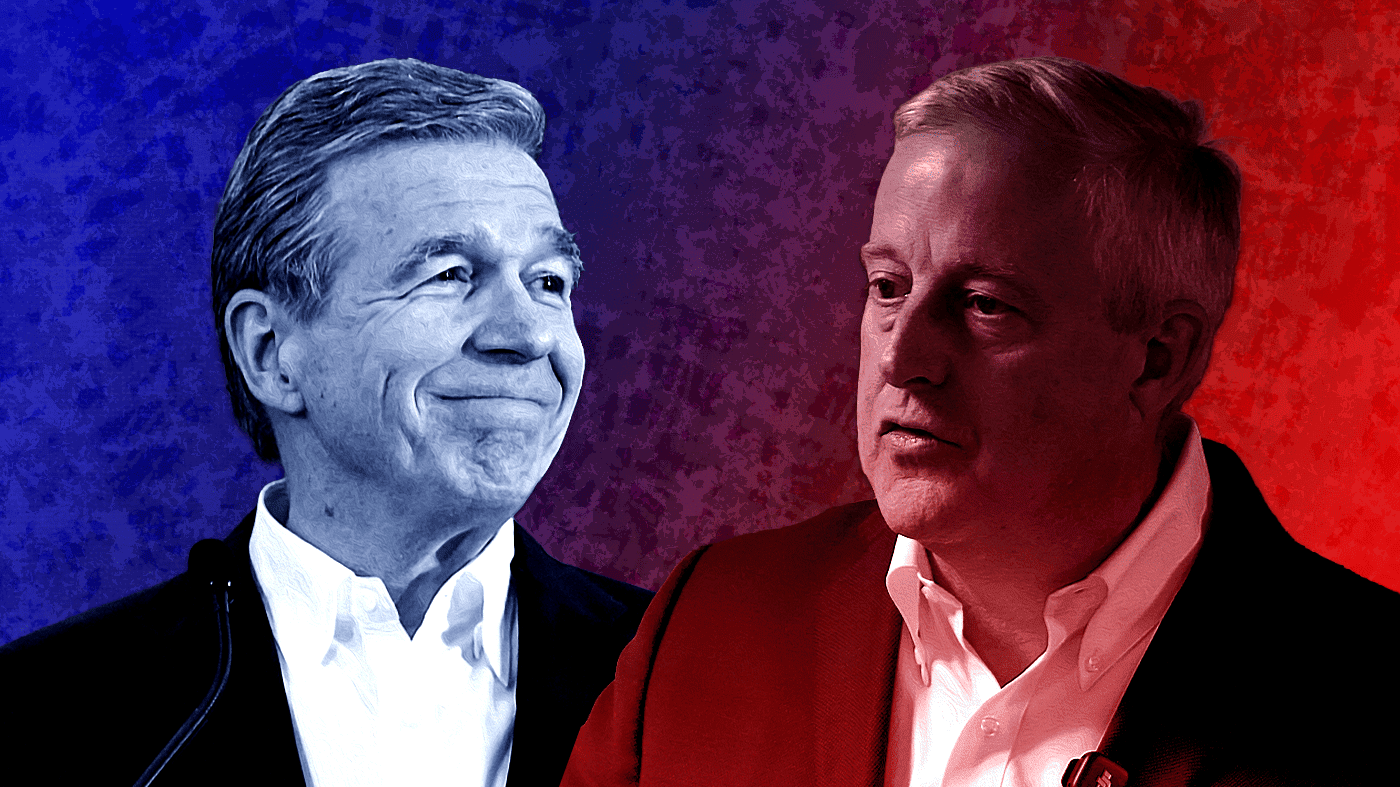
Democrats are growing increasingly optimistic about their chances in North Carolina, particularly in the Senate race where former Governor Roy Cooper is facing off against Republican operative Michael Whatley for the seat being vacated by retiring Senator Thom Tillis. Recent polling, nonpartisan race ratings, and strategic campaign moves all point to a Cooper advantage.
Last week, a national Republican super PAC redirected funds from North Carolina to Kansas, a state previously considered a tougher target for Democrats. Meanwhile, a Democratic group aligned with Senate leadership pulled some of its ads, signaling confidence in Cooper's position. These developments suggest that both parties view the Tar Heel State as leaning Democratic.
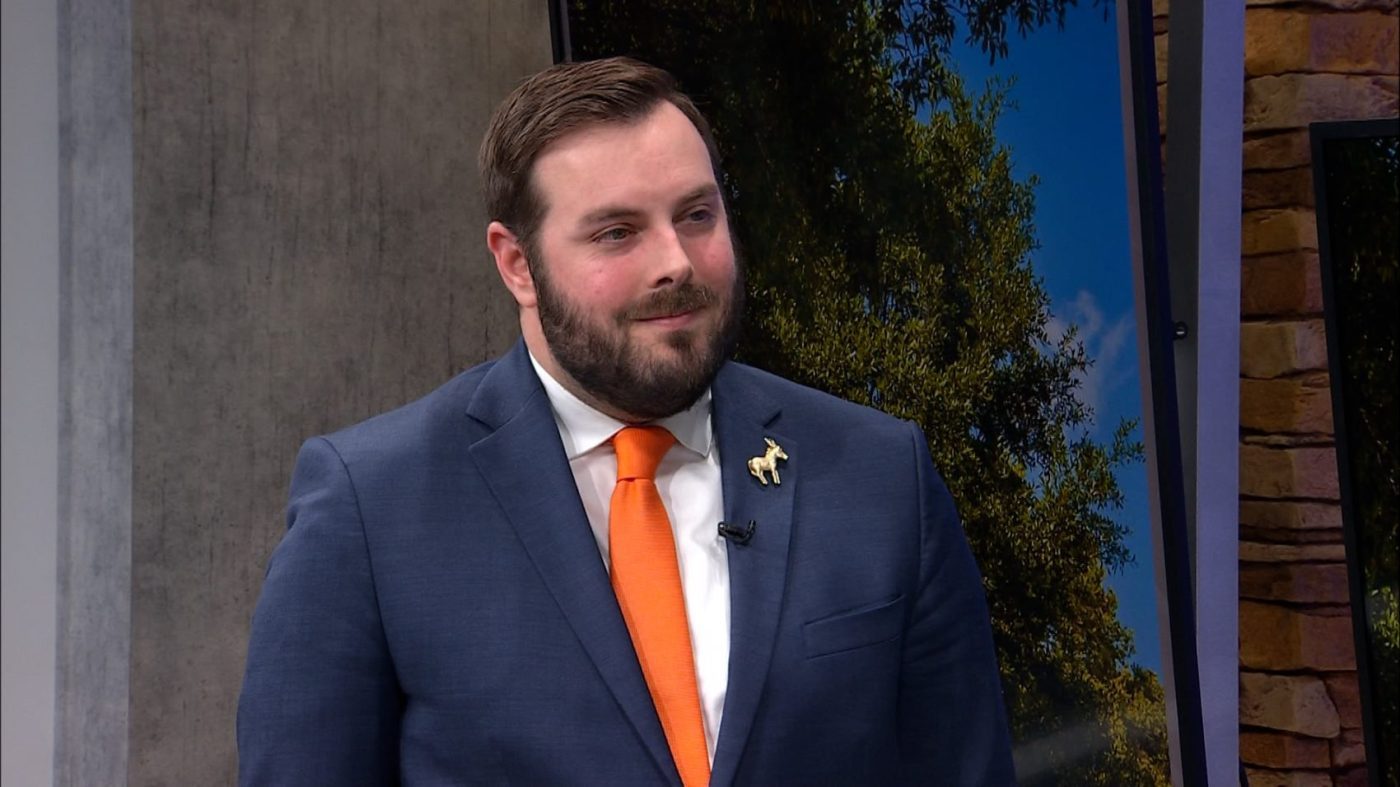
Despite the encouraging signs, the Cooper campaign is not taking anything for granted. Campaign manager Jeff Allen emphasized the stakes: “A Democrat has not won statewide federal office here in nearly two decades, and North Carolina is a 50-50 state. We're building a campaign to earn every vote and make sure North Carolinians know that Roy Cooper will fight for them, while Michael Whatley will continue to enrich himself at their expense.”
The Senate battle is critical for Democrats, who need to flip at least four Republican-held seats to regain the majority, assuming they lose none of their own. North Carolina is a prime target, and Cooper's widespread name recognition and moderate profile make him a formidable candidate. As a four-term attorney general and two-term governor, Cooper has never lost an election and has cultivated a scandal-free, approachable image.
Democratic optimism extends beyond the Senate. Two House races that were expected to favor Republicans, including one that was redrawn to be safer for the GOP, are now competitive. There is even an outside chance that Republicans could lose their majority in the state legislature, though that remains less likely.
Chris Cooper, a professor of public policy at Western Carolina University (no relation to the candidate), noted that North Carolina's demographics are not necessarily trending blue. While younger, more liberal voters have moved to urban areas, rural regions have become increasingly Republican in the Trump era. The state still has a Democratic governor and several Democratic statewide officials, but Republicans control the legislature.
According to Chris Cooper, Whatley's relative obscurity is a major liability. “We're having this conversation less than a month until the election, and there's already been thousands and thousands of votes cast in the state of North Carolina, and people still don't know who the guy is,” he said. Whatley, a former North Carolina GOP chair and Republican National Committee chair from 2024 to 2025, is closely tied to Trump but lacks the broad recognition that Cooper enjoys.
Chris Cooper attributed Cooper's success to his disciplined, scandal-free style. “His secret sauce, in some ways, is mayonnaise, right? He's been able to avoid scandal. He is rhetorically disciplined. You could spend all month looking for rhetorical gaffes from Roy Cooper, and you're just not going to find any. So he's a careful politician; he doesn't make rhetorical mistakes; he is disciplined on the stump, and that has all amounted to a multi-decade career in North Carolina politics as a Democrat.”
Republicans have tried to tarnish Cooper's image by focusing on crime. They point to North Carolina's 2024 homicide rate, which was slightly above the national average, and criticize Cooper's 2021 decision to release some inmates during the pandemic to address COVID-19 spread in prisons. GOP ads have repeatedly linked that release to violent crimes, sometimes inaccurately.
However, public safety may not be a decisive issue for voters. Michael Bitzer, a professor of politics and history at Catawba College, cited a September Catawba/YouGov survey showing that the economy and inflation are the top concerns for voters of all parties, followed by protecting democracy. Crime ranked lower.
The National Republican Senatorial Committee (NRSC) doubled down on its attacks. “Roy Cooper drove healthcare costs to the highest the nation, put men back in women's bathrooms, and released violent criminals from prison early,” said NRSC spokesperson Nick Puglia. “Cooper's far-left agenda is dangerous and too extreme for North Carolina.”
Notably, Whatley's campaign has no ads scheduled after this week, which Bitzer suggested could indicate a messaging reset. But with early voting starting Thursday, time is running short. “So I don't think that that strategy, as long as they've been running it, has had the effect that they were hoping for,” Bitzer said. “And I think the real question is, you know, do they pivot to acknowledge the issue of affordability now, or do they try and position some other issue at play?”