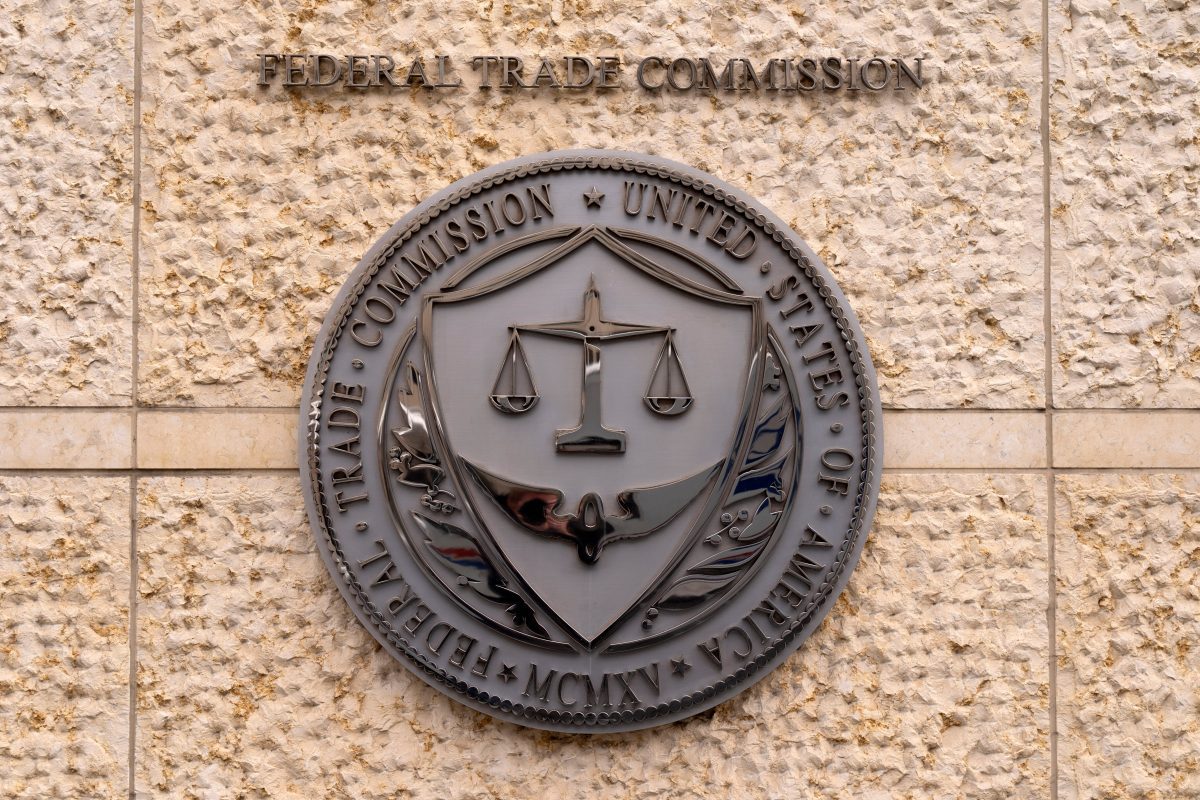
The Federal Trade Commission has begun distributing more than $15.8 million to consumers who used the Cleo AI cash advance app, following allegations that the company misled users about how much money they could access and when, and trapped them in subscriptions that were difficult to cancel.
According to the FTC, over 2 million payments are being sent out. The agency announced last week that the funds would go to users affected by what it described as Cleo’s “deceptive claims about the amounts and timing of available cash advances and the company’s hard-to-cancel subscriptions.”

In a complaint filed last year, the FTC alleged that Cleo promised customers they could gain “access to ‘hundreds of dollars’ in cash advances when almost no one received even close to the advertised amounts.” The agency also said the company failed to clearly disclose the terms of its subscription service, making it difficult for users to stop recurring charges.
The payout is part of the FTC’s broader effort to return money to consumers harmed by deceptive business practices. Similar actions have led to major settlements, such as the AT&T data breach settlement payouts, where millions of eligible claimants are now receiving funds. The Cleo case highlights growing scrutiny of fintech apps that offer quick cash advances but often come with hidden fees and confusing cancellation policies.
Cleo, which markets itself as an AI-powered financial assistant, has faced criticism for its aggressive marketing tactics. The FTC’s action signals that regulators are paying close attention to how these apps present their services to financially vulnerable consumers. As digital payment platforms expand, the line between helpful financial tools and predatory lending practices is increasingly under the microscope.
Consumers who used Cleo and believe they may be eligible for a payment should check their email for notifications from the FTC. The agency typically sends payments via PayPal or check, and recipients are advised to be wary of scams that mimic official FTC communications.
The distribution of funds comes amid a broader push by federal regulators to crack down on deceptive practices in the tech and finance sectors. Recent enforcement actions have targeted everything from data breaches to misleading subscription models, as seen in the Arizona court cyberattack that exposed sensitive information of 1.3 million people. These cases underscore the growing intersection of technology, consumer protection, and government oversight.
For Cleo users, the payment may serve as partial restitution for what the FTC described as unfair and deceptive conduct. However, the agency’s complaint also raises questions about the broader business model of cash advance apps, which often rely on subscription fees and user data. As policymakers debate new rules for fintech, cases like this could shape future regulations.
The FTC encourages affected consumers to verify their eligibility through official channels and to report any suspicious activity. With more than $15 million on the line, the agency aims to ensure that those who were misled receive the compensation they are owed.