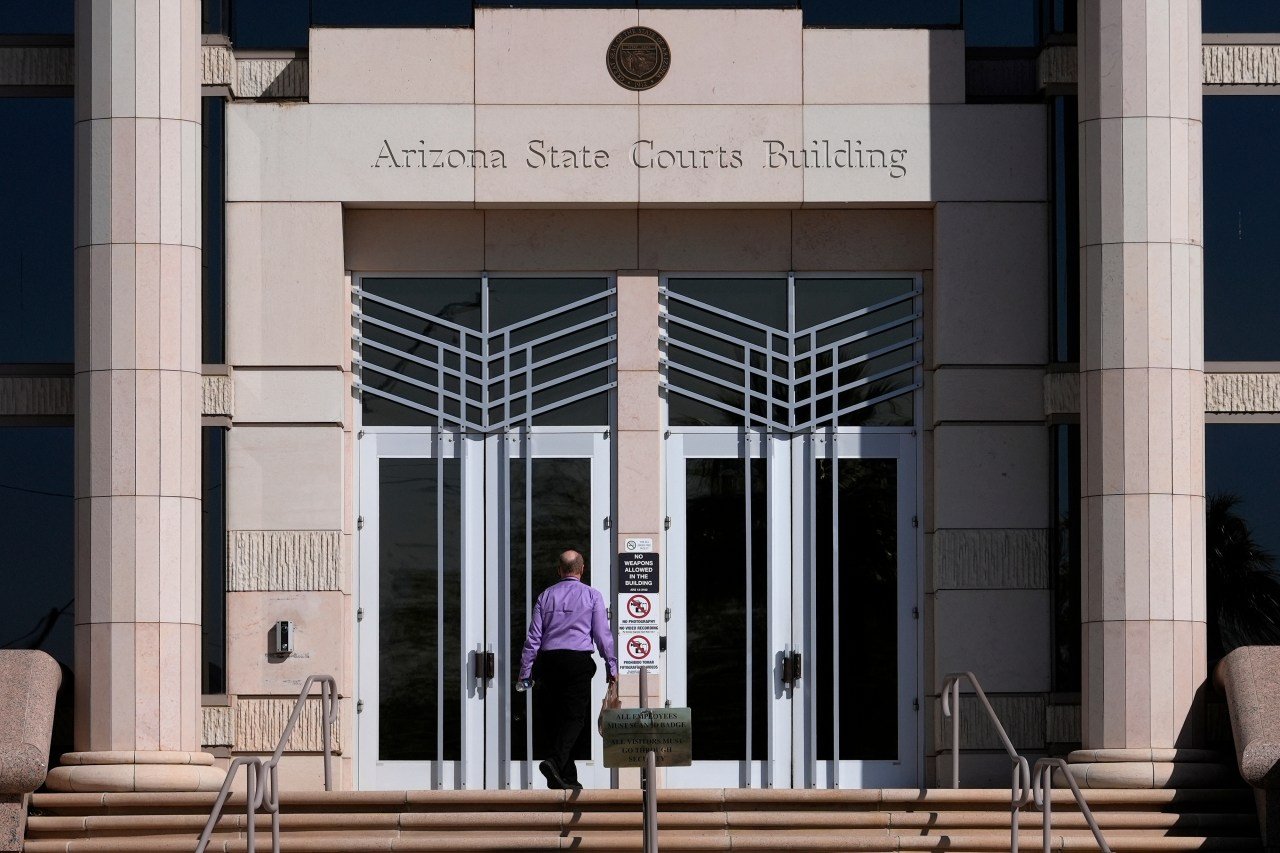
A cyber intrusion into Arizona's judicial network has compromised the personal information of over a million individuals, with investigators tracing the breach to a court employee who clicked a malicious link in a phishing email.
The Arizona Supreme Court disclosed that the attackers copied data belonging to roughly 1.3 million people tied to unpaid court fees, fines, and restitution payments for traffic and criminal offenses, some dating back as far as three decades.

Scope of the Breach
Beyond financial records, the hackers also accessed nearly 30,000 active and inactive protective orders, as well as about 150,000 reports from a state foster care review board that advises judges on cases involving allegations of parental unfitness or neglect. These reports date back to 2010.
The court's technology team detected the intrusion on September 24 and managed to halt the attack on a backup server within roughly two hours. Since then, officials have been notifying affected individuals.
“We don’t have any evidence it has been used or shared” following the breach, said Alberto Rodriguez, a spokesperson for the Arizona Supreme Court, in a statement on Tuesday.
Investigation and Impact
The attack remains under investigation, but Rodriguez confirmed that it has not disrupted or delayed any court proceedings. No records were altered or deleted, and the attackers did not obtain information on jurors, witnesses, or court employees.
This incident highlights the growing threat of cyberattacks on government institutions, a concern that has also reached the highest levels of the judiciary. For instance, Supreme Court justices have recently shown skepticism in cases involving corporate liability, but cybersecurity remains a pressing operational issue for courts nationwide.
The breach also raises questions about the security of sensitive data held by state agencies, especially in light of recent legal battles over government transparency and accountability. As courts grapple with these challenges, the Arizona incident serves as a stark reminder of the vulnerabilities inherent in digital record-keeping.
Officials are urging affected individuals to monitor their financial accounts and credit reports for any suspicious activity. The court is offering credit monitoring services to those impacted.
This cyberattack comes amid a broader wave of similar incidents targeting public institutions, prompting calls for stronger cybersecurity measures. While the full extent of the damage is not yet known, the breach underscores the need for robust defenses against evolving digital threats.