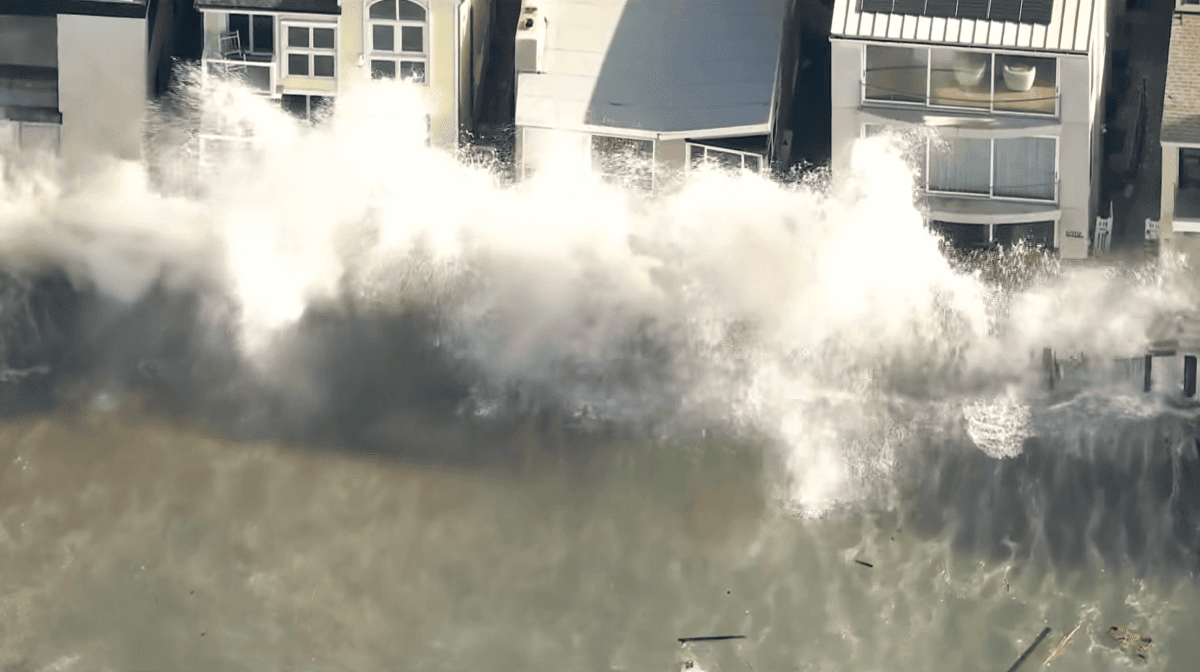
Fire officials in Southern California are alerting residents that the coastal flooding left behind by post-Tropical Storm Rachel carries a hidden and persistent danger: saltwater intrusion into the lithium-ion batteries that power electric vehicles, hybrids, e-bikes, and scooters can ignite fires long after the waters have receded.
The Laguna Beach Fire Department issued the warning as flash flood advisories remained in effect for parts of Orange, Riverside, and Imperial counties. The storm, which has since weakened, battered coastal communities including Long Beach, Newport Beach, and Malibu with powerful waves and unusually high tides, inundating streets, damaging infrastructure, and forcing emergency actions.
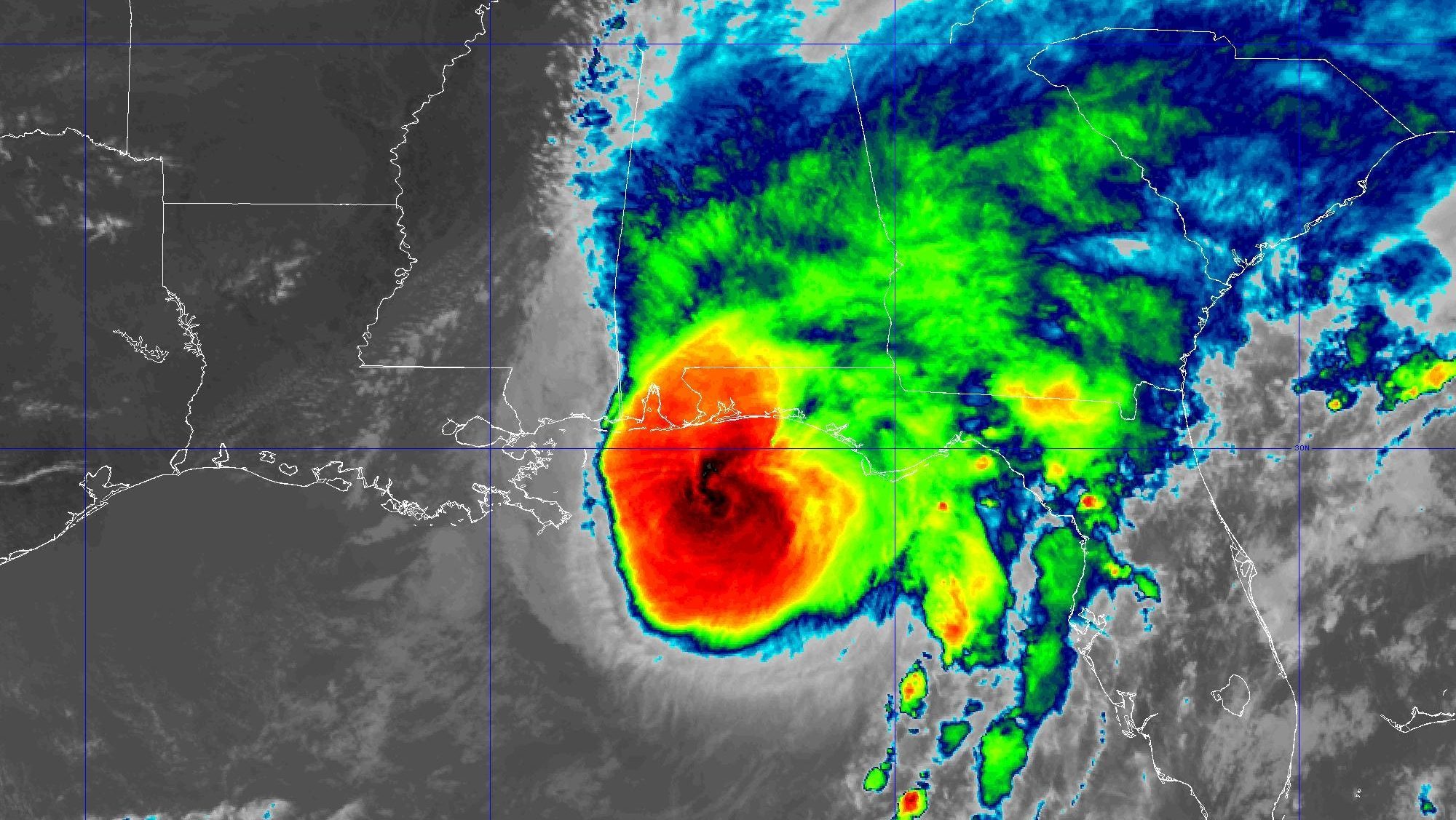
In Long Beach, mandatory evacuations were ordered along sections of Seaside Walk after multiple homes were declared unsafe. A coastal flood warning for Los Angeles County stayed in place until 3 p.m. Sunday, with forecasters projecting high tides near 8 feet and surf heights of 5 to 8 feet, conditions that could worsen flooding and accelerate beach erosion.
The fire department stressed that even vehicles that appear to be functioning normally may be at risk if floodwaters reached their batteries or electrical systems. Residents who believe their vehicle—whether a car, hybrid, e-bike, or scooter—was exposed to saltwater, including those only partially submerged, should refrain from driving or charging it. Instead, officials recommend contacting insurance providers, arranging for professional towing, and having the vehicle inspected by a mechanic certified to work on electric or hybrid models.
Warning signs of a compromised battery include smoke, hissing or popping noises, and unusual heat. Anyone observing these indicators should immediately move away from the vehicle and call 911. Officials cautioned against attempting to move a vehicle showing such signs or trying to put out a battery fire without professional help.
The department emphasized that the threat may not be obvious at first, as battery fires can erupt well after floodwaters have disappeared. This delayed reaction makes vigilance critical in the days and weeks following a flood event.
For residents preparing for future storms, guidance on filling your tub before a hurricane highlights the importance of water supplies, but the aftermath of saltwater flooding presents distinct electrical and chemical hazards that require specialized attention.
As climate-related extreme weather intensifies, the intersection of flood risk and emerging technology grows more complex. Recent reporting on Nepal's deadly floods underscores how global flood threats are evolving, while China's dam projects raise questions about infrastructure resilience. In the U.S., a Senate water bill could alter aquifer protections, signaling that water policy remains a live political issue.
For now, Southern California residents are urged to treat any flood-exposed battery-powered device as a potential fire hazard and to seek professional assessment before resuming normal use.