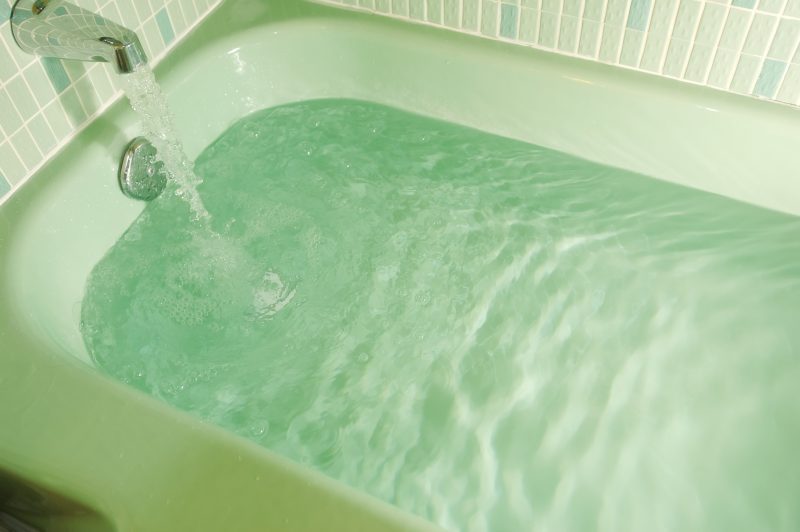
For residents in hurricane-prone states, the ritual of filling a bathtub to the brim before a storm makes perfect sense. To those who have never lived through a major hurricane, the practice can seem puzzling at best, wasteful at worst.
But it's not just an old wives' tale. The advice appears in virtually every official hurricane preparedness checklist, from local news outlets like WFLA to the Federal Emergency Management Agency's own guidance. The reason, however, is not what many people assume.
Not for drinking
The water in your tub is not meant for consumption. Instead, it serves a more mundane but equally critical purpose: keeping your bathroom functional when municipal water systems fail. After a hurricane knocks out power, water treatment plants often lose pressure, making tap water unsafe or unavailable. In those conditions, a bathtub full of water becomes your backup supply for flushing the toilet, taking sponge baths, and cleaning surfaces or utensils.
Public health experts stress that drinking water should be stored separately in clean containers. FEMA recommends at least one gallon per person per day for drinking and sanitation, but a bathtub is not a safe long-term storage vessel for potable water.
Preparation steps
Before a storm is even forecast, experts advise checking that your bathtub can hold water and, if you don't have a drain stopper, buy one. These inexpensive rubber plugs often sell out quickly as a storm approaches, so it's wise to have one on hand.
If your home lacks a bathtub, you can fill buckets, plastic storage bins, or even large pots with water for the same purposes. The key is to have a reserve that doesn't rely on electricity or running water.
These steps apply only if you plan to ride out the storm at home. If you're evacuating, there's no need to fill the tub — you won't be there to use it, and the water could become a breeding ground for mosquitoes or cause water damage if the house floods.
Other essential prep
Beyond the bathtub, hurricane preparedness guides recommend assembling a disaster supplies kit with non-perishable food, medications, flashlights, and batteries. They also advise installing storm shutters or boarding up windows, setting refrigerators and freezers to their coldest settings, and making sure you have cash and a full tank of gas in your vehicle.
As climate change intensifies storms, hurricane threats are expanding beyond traditional zones, making these preparations relevant for more Americans. Meanwhile, water infrastructure and quality issues remain a political flashpoint, from aquifer protections to data centers' water use.
For those facing a hurricane, the simple act of filling a tub can be a lifesaver — not for drinking, but for maintaining basic sanitation when the grid goes down.