The U.S. Senate is weighing legislation that would weaken groundwater protections for carbon dioxide injection wells, a move critics say could devastate rural communities dependent on farming and ranching.
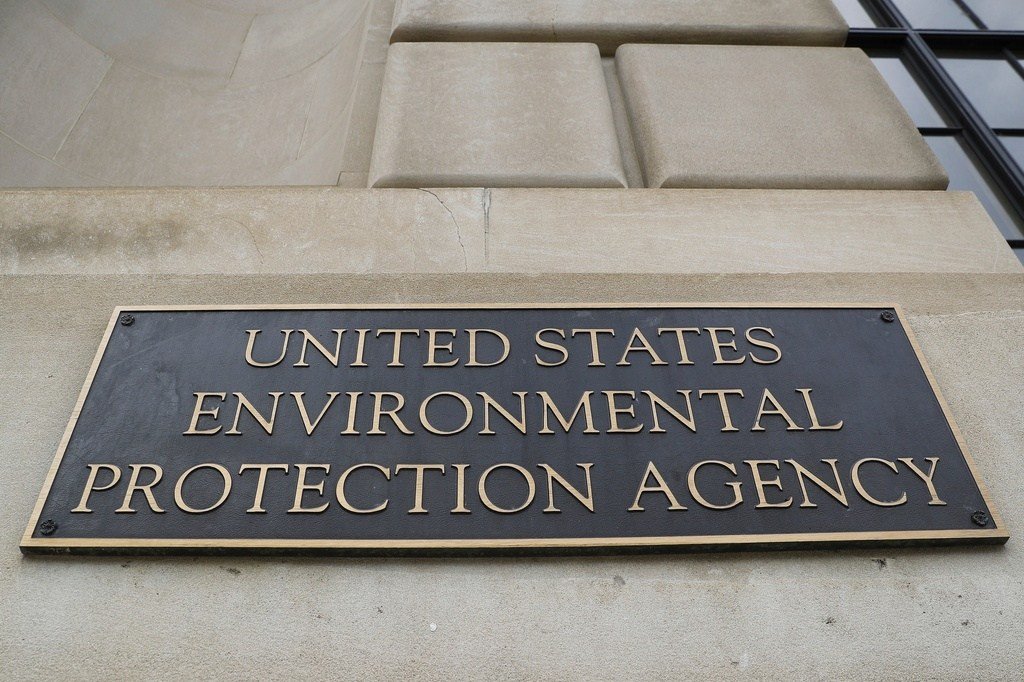
The provision is tucked into the final section of the Water Resources Development Act of 2026, under the heading “Non-potable Aquifer Exemption for Class VI Wells.” It would direct the Environmental Protection Agency to allow exemptions for aquifers deemed non-potable for use by Class VI wells—the type used for long-term carbon sequestration.

The bill outlines two exemption paths. The first applies if an aquifer is not currently used for drinking water and “cannot now and will not in the future serve as a source of drinking water.” The second applies if the groundwater has a total dissolved solids content between 3 and 10 grams per liter and the aquifer is “not reasonably expected to supply a public water system.”
Critics argue these criteria are dangerously broad. Just because an aquifer isn't currently tapped for human drinking water doesn't mean it's not vital for irrigation or livestock watering—both essential to rural livelihoods. Moreover, with advances in treatment technologies like reverse osmosis, many of these aquifers could become future drinking sources.
“These exemptions would discriminate against small rural communities and especially harm ranchers and farmers,” said Ted Schettler, science director at the Science and Environmental Health Network. He co-authored an analysis with Montana rancher Liz Barbour, who led local opposition to a major carbon capture project.
The risk is tangible: if a Class VI well leaks carbon dioxide into an aquifer used for irrigation or livestock, the water would become acidic, mobilizing heavy metals and other toxins, rendering it unusable for agriculture or drinking—now or in the future. Well-documented injection well failures in Illinois and Texas underscore that these wells need stronger safeguards, not fewer.
The legislation would have directly affected a proposed ExxonMobil project in southeastern Montana. The Snowy River Carbon Sequestration Project, planned for Carter County, aimed to inject 150 million tons of carbon dioxide over 20 years via up to 15 wells, with CO2 sourced from Wyoming gas plants. Local farmers and ranchers opposed it, citing threats to groundwater and rangeland with little economic benefit. The EPA found the Bureau of Land Management's environmental assessment inadequate, noting impacts on shallow alluvial aquifers used for livestock watering and a deeper sandstone aquifer. Facing intense opposition, the BLM scaled back its review to a single test well, and Exxon eventually withdrew its permit application. But such projects could gain traction if this bill becomes law.
“This bill, exempting aquifers not currently used for drinking water by people, imperils the livelihoods of small rural communities dependent on ranching and farming,” the authors warned. “It should be stopped.”