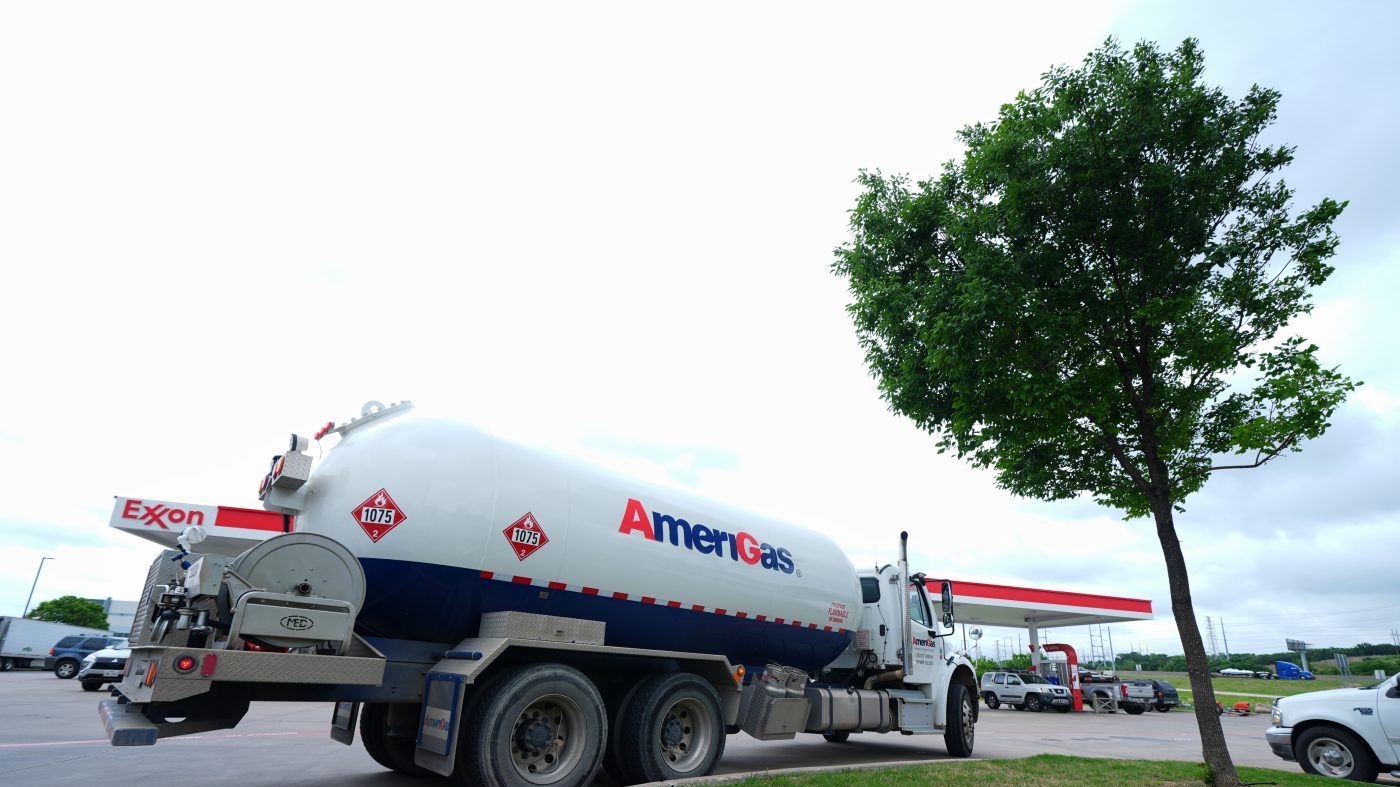
The Trump administration announced on Wednesday a temporary waiver allowing truck drivers transporting gasoline and diesel to work longer hours, a move aimed at mitigating the economic strain of elevated fuel prices linked to the ongoing conflict with Iran. Transportation Secretary Sean Duffy unveiled the 90-day exemption, which takes effect immediately and runs through December 16.
Under the new rules from the Federal Motor Carrier Safety Administration (FMCSA), drivers hauling fuel can now operate for up to 16 hours within a 24-hour period, a two-hour increase over the standard 14-hour limit. The waiver is designed to ease supply chain bottlenecks and lower costs for consumers, according to the Department of Transportation.
However, safety provisions remain in place. Drivers must still take at least one six-hour break in a sleeper berth during their shift, or an eight-hour rest if their vehicle lacks a separate sleeping area. The waiver applies only to drivers in good standing, excluding those with conditional safety ratings or active out-of-service orders.
In a statement, Duffy framed the decision as part of the administration's broader energy policy. "From unleashing American energy production to alleviating short-term supply chain pressures, the Trump Administration is constantly taking action to lower fuel prices," he said. "Our great American truckers will continue to haul the products that power America and keep our economy moving."
The move comes as the national average price for a gallon of regular gasoline hovers around $4.44, according to AAA data, up from roughly $4.28 a week ago and $1.50 higher than just before the U.S.-led military campaign against Iran began. Diesel prices are even steeper, averaging about $6.40 nationally, with California drivers facing nearly $8.35 per gallon.
The Iran war, now approaching its seventh month, has disrupted global oil shipments, particularly through the Strait of Hormuz, where Iranian restrictions have hampered trade. Although the U.S. is a net oil exporter, the global price shock has still hit domestic pump prices.
President Trump, speaking at a rally in North Carolina on Wednesday, reiterated his stance that higher fuel costs are a necessary trade-off for national security. "It's a very inexpensive price to pay for what we've done, remember that," he told supporters while campaigning for GOP Senate candidate Michael Whatley. He also predicted that fuel prices would "come tumbling down" once the conflict concludes, which he suggested could happen after November's midterm elections.
Critics, however, argue that extending driving hours could compromise road safety, especially for long-haul truckers already facing demanding schedules. The FMCSA waiver requires carriers to provide drivers with at least 10 consecutive hours of rest if needed and mandates reporting any crashes to the agency within two business days.
This policy shift is part of a broader administration effort to address inflation, which has become a central issue ahead of the midterms. Analysts note that while the waiver may offer short-term relief, it does little to address the underlying geopolitical tensions driving price volatility. For more on how the administration is handling the economic fallout, see our coverage of inflation's impact on midterm prospects.
As the Iran conflict drags on, the administration continues to walk a tightrope between energy security and consumer costs. The waiver, while temporary, signals a willingness to use regulatory flexibility to ease pressures on American households and businesses. Whether it will be enough to stabilize prices remains uncertain, but for now, fuel haulers have more room to keep the supply moving.