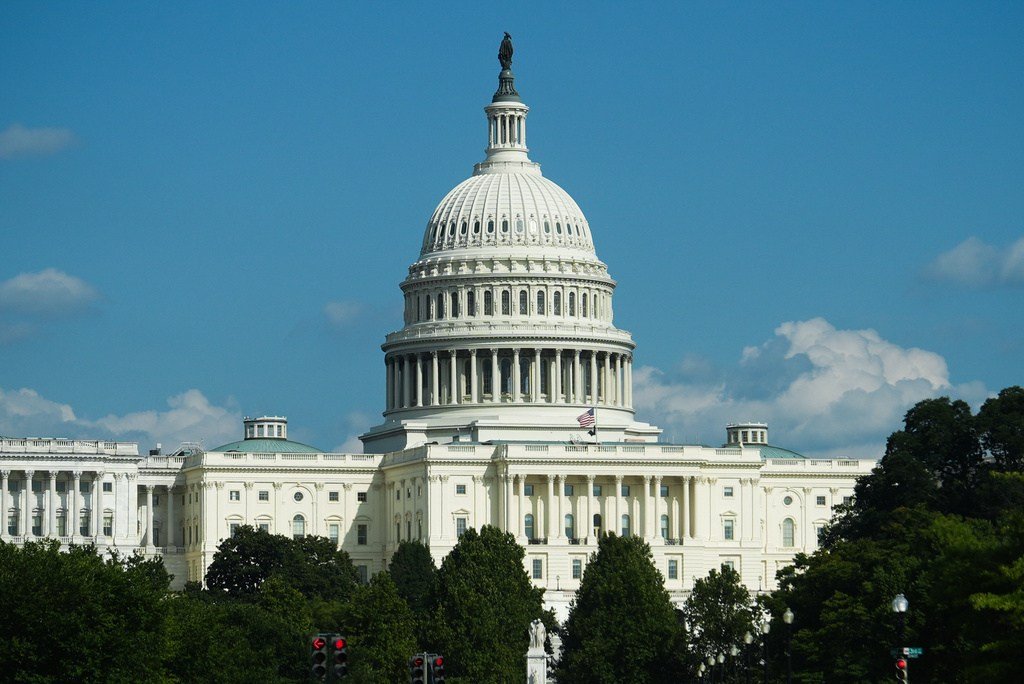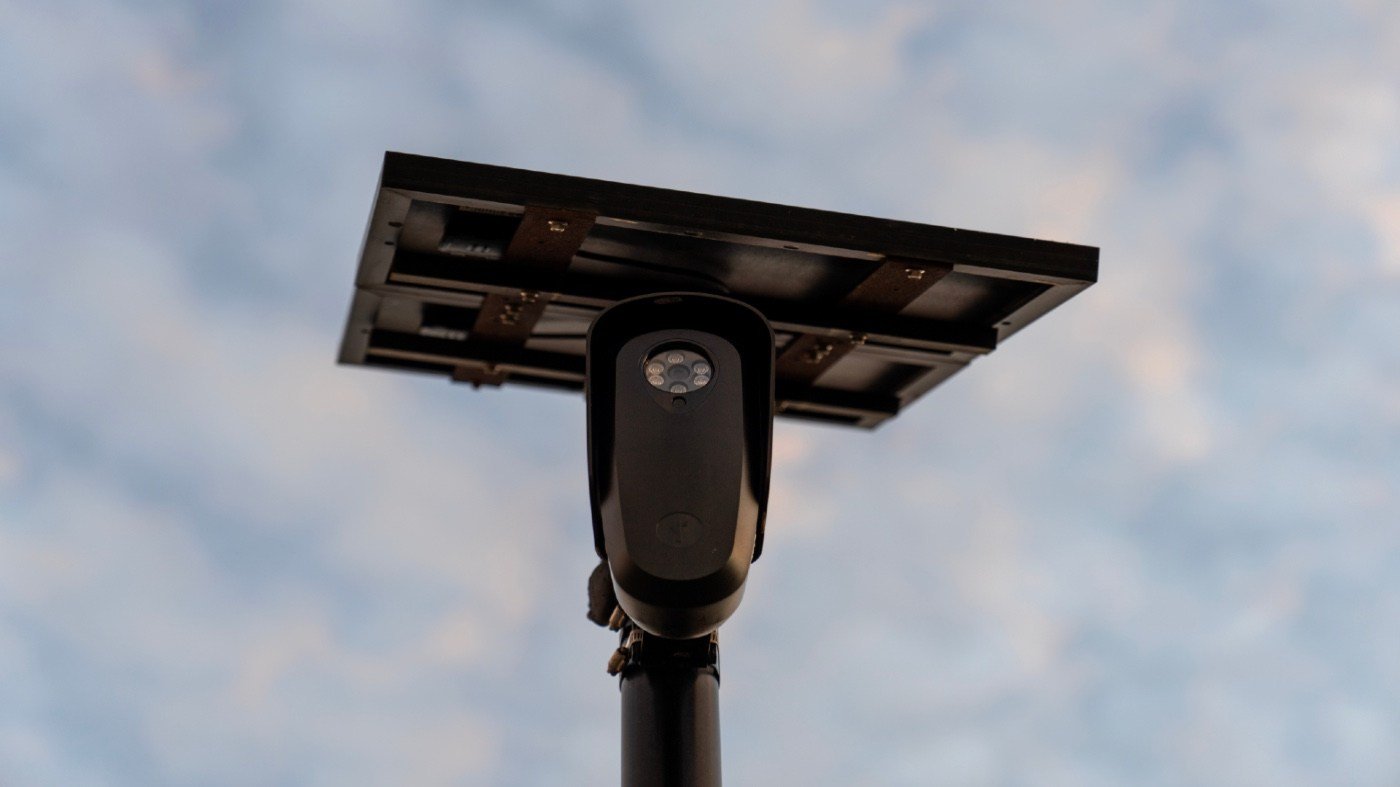
Automated license plate readers have become a ubiquitous law enforcement tool, with over 120,000 Flock Safety cameras operating across 49 states. Yet, as a recent Congressional Research Service report confirmed, no federal legislative framework governs their use. This gap has prompted a growing bipartisan push in Congress to establish national standards, even as states implement their own patchwork of regulations.
Retired police captain Joe Broadmeadow, who spent two decades in law enforcement, argues the technology itself is valuable. “It does quickly what detectives once did slowly or never manage to do at all,” he writes. Plate readers have helped recover stolen vehicles, locate missing children, and apprehend shooters. The problem, he says, is the absence of a national rulebook.
Currently, state laws and agency policies vary widely. Some states, like California, Virginia, Illinois, Maine, and New Hampshire, have enacted statutes limiting data retention and sharing. Washington state initially proposed a 72-hour retention limit but settled on 21 days after police objections. Pennsylvania lawmakers have introduced a bipartisan bill that would require search justifications, audit trails, and civil penalties.
But Broadmeadow warns that state-level fixes are insufficient because the network operates across state lines. “A driver’s protections now change at a state line on a network which does not recognize state lines,” he notes. “We have built a national system and governed it locally, which is another way of saying we have not governed it.”
Misuse incidents have fueled the urgency. In Milwaukee, an officer ran a personal acquaintance through the system dozens of times. An audit in Dayton found thousands of searches lacking proper justification. Illinois regulators discovered data flowing to federal immigration authorities in violation of state law. These cases underscore the need for federal oversight.
Broadmeadow proposes a five-point federal standard: a uniform retention ceiling with an open-case exception, mandatory query logging with named users and case numbers, a warrant requirement for federal agencies accessing state databases, a ban on using the network for immigration enforcement or tracking lawful medical travel, and enforcement through civil liability and evidence suppression.
Congress has already begun to act. Rep. Keith Self (R-Texas) introduced the PRIVACY Act, which would require a federal warrant before querying state or local plate reader systems. Reps. Scott Perry (R-Pa.) and Chuy Garcia (D-Ill.) have drafted an amendment that would prohibit federal highway funding recipients from using the cameras for anything other than tolling. Broadmeadow opposes that measure, calling it “throwing out a working tool to solve a governance failure.”
The debate touches on broader issues of surveillance and privacy, similar to recent calls for AI regulation and congressional gridlock on tech policy. But Broadmeadow insists transparency strengthens law enforcement, not weakens it. “A defense attorney holding an audit log showing officers ran searches nobody can justify” is what ties hands, he says.
As the network grows and data-sharing becomes routine, the question is whether Congress will act. Broadmeadow cautions that without federal rules, the country will “inherit” a surveillance system by default. “A country should make a bargain like this one on purpose, in daylight, under rules written by people answerable to voters.”