Sen. Andy Kim (D-N.J.) on Thursday unveiled legislation aimed at eliminating the waiting periods that delay access to Social Security Disability Insurance (SSDI) and Medicare for disabled Americans. The measure, dubbed the Stop the Wait Act, would phase out the five-month waiting period for SSDI benefits over a five-year span and do away with the 24-month waiting period for Medicare coverage for those on disability.
Kim's office pointed to a Government Accountability Office report showing that more than 100,000 people died between fiscal years 2008 and 2019 while awaiting a final ruling on their SSDI applications. That figure represents roughly 1.2 percent of all disability applicants who filed an appeal during that period.
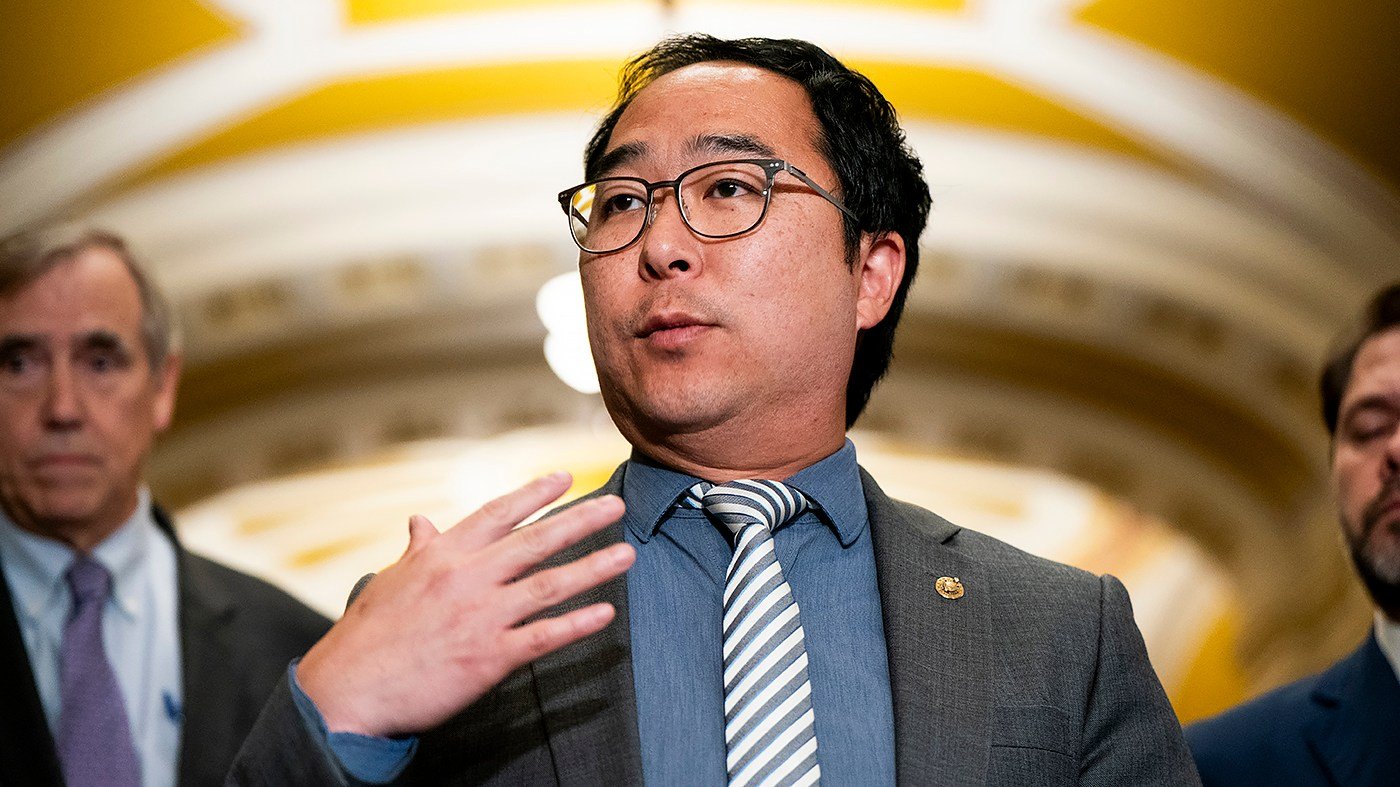
“It is horrifying that any American should be forced to endure months or even years of waiting for benefits they worked hard to earn. Care cannot be put on hold. Congress needs to step up for our disability community and end these harmful waiting periods once and for all,” Kim said in a statement.
The legislation mirrors a House version introduced last February by Rep. Lloyd Doggett (D-Texas), which stalled after being referred to the Ways and Means Committee. Kim's proposal arrives as lawmakers on both sides of the aisle have shown interest in streamlining disability benefits, though the path to passage remains uncertain.
SSDI provides income support to individuals who cannot work due to a medical condition expected to last at least a year or result in death. According to a 2024 Social Security Administration report, musculoskeletal and connective tissue disorders are the most commonly cited conditions among beneficiaries, accounting for about 65 percent of cases.
Kim's office noted that Congress has previously moved to eliminate waiting periods for specific groups, such as people diagnosed with ALS. The new bill would extend similar relief more broadly, a change advocates argue is long overdue.
The Stop the Wait Act has drawn endorsements from several organizations, including the Federation of American Hospitals, the American Association of People with Disabilities, the Alzheimer's Association, Pandemic Patients, and the National Alliance on Mental Illness. These groups have long pushed for reforms to reduce the financial strain on disabled workers who lose income while waiting for benefits.
Disability advocates say the current waiting periods force applicants to deplete savings and rely on family or public assistance before receiving help. They also note that the five-month SSDI wait applies even to those with clearly qualifying conditions, and the two-year Medicare delay leaves many without health coverage during a critical time.
Lawmakers have also been examining broader changes to Social Security, including adjustments to the full retirement age, which could affect how disability benefits interact with retirement. Kim's bill, however, focuses solely on the waiting periods, a narrower but impactful fix.
The political outlook for the legislation is unclear, especially in a divided Congress. But Kim's move signals a continued push by Democrats to address what they describe as systemic delays in the disability system, even as debates over entitlement spending intensify.