Tehran on Thursday dismissed the Pentagon's account of how an American pilot was rescued after his F-15E fighter was shot down over Iranian territory in April, labeling the story as “fictional and unacceptable” and part of a broader propaganda campaign.
The Islamic Revolutionary Guard Corps (IRGC) spokesperson, Brig. Gen. Hossein Mohebbi, told Iranian state media that no rational observer would accept the U.S. version of events, which he characterized as war propaganda. The comments came after the airman, identified only by his call sign “Bravo,” recounted his ordeal earlier this week on CBS's “60 Minutes.”
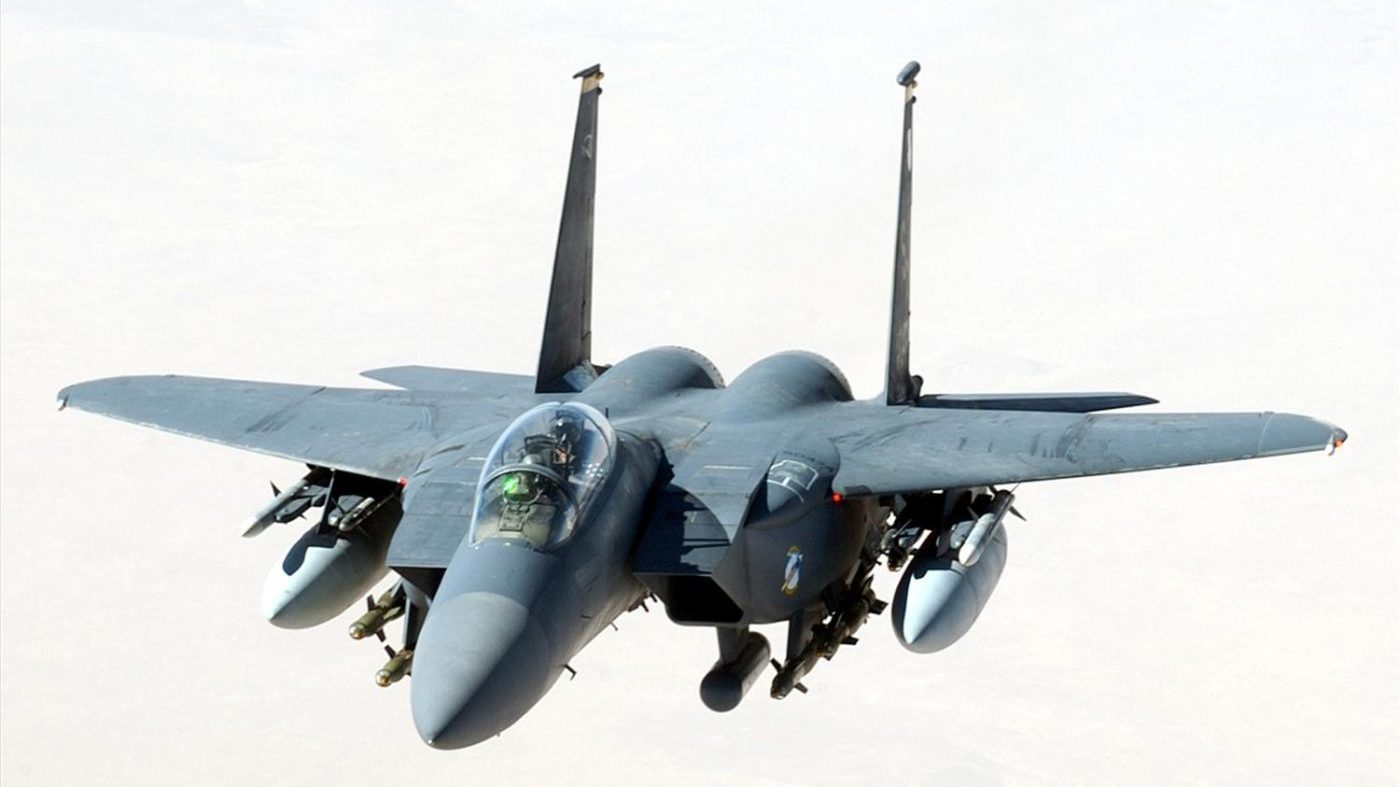
During the interview, Bravo, who served as the weapon-systems officer on the two-man crew, described how the jet was struck by an Iranian shoulder-fired missile, forcing him and his pilot, call sign “Alpha,” to eject. He claimed he fell at an estimated speed of 70 to 100 mph without a functioning parachute, landing hard about five miles from his partner. Both crew members eventually ended up in Isfahan, Iran, where a U.S. rescue team located Alpha six hours after the crash. Bravo said he was found a day later after signaling that he was injured but mobile.
Mohebbi, however, ridiculed the account, specifically questioning the survival of a fall at such speed without a deployed parachute. “The American pilot claimed that he fell at a speed of 160 kilometers per hour and survived, while his parachute did not even open and he crashed into the heart of a mountain,” he said, accusing Washington of fabricating stories about its military achievements. He added that the U.S. is “embarrassing itself” and that the interview would become “a source of ridicule.”
The Iranian pushback comes as the conflict, now in its seventh month, remains deeply unpopular domestically in the United States. President Trump has publicly stated that the war will conclude after the upcoming midterm elections, a timeline that has fueled speculation about the administration's strategy.
U.S. Central Command (CENTCOM) head Adm. Brad Cooper told CBS that the mission had targeted Iranian industrial facilities linked to Tehran's drone and missile programs. The Pentagon has defended the rescue operation, but the decision to feature the airmen on a national broadcast has drawn scrutiny.
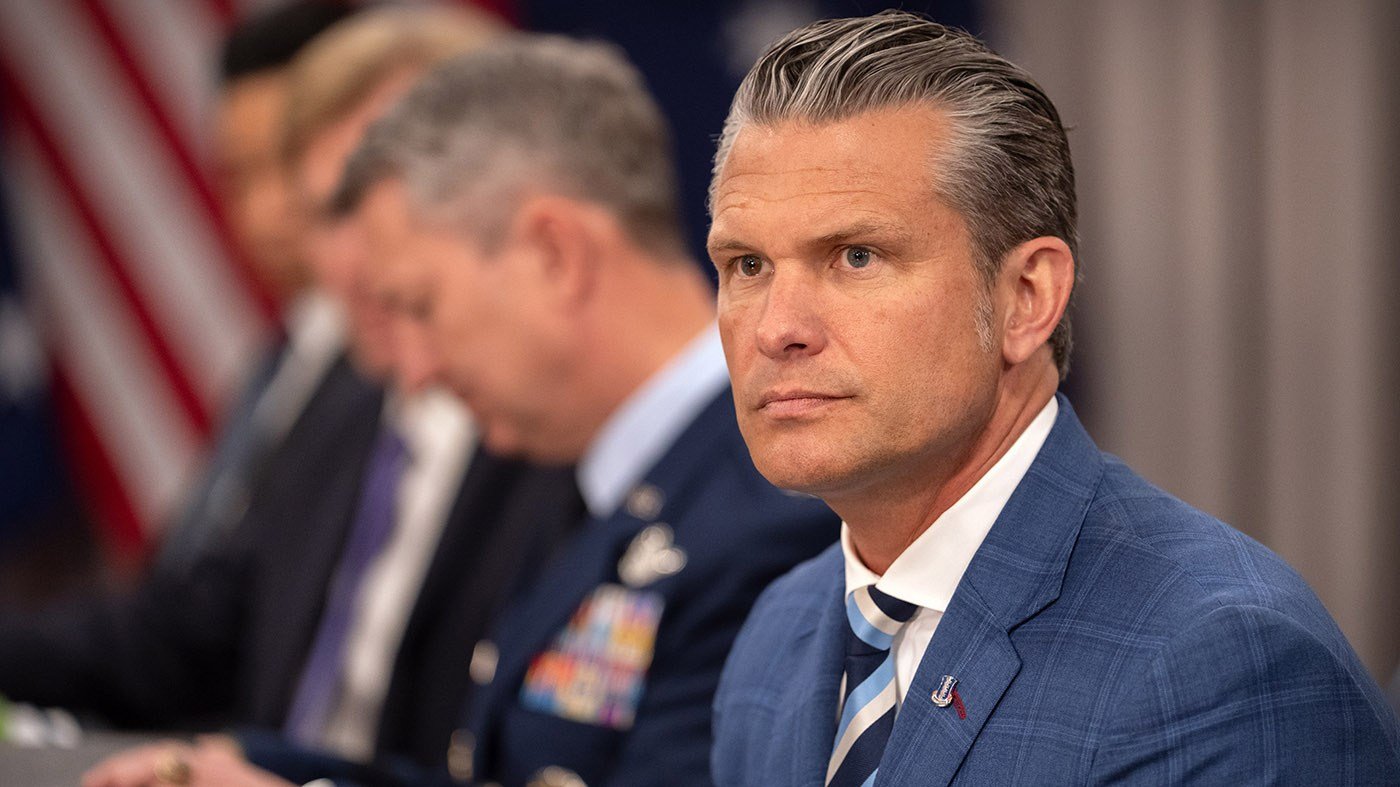
CNN reported that Defense Secretary Pete Hegseth and his political appointees pressured the two crew members to participate in the interview, despite initial reluctance. According to three sources, the airmen were hesitant, with one expressing concern about being ordered to appear. Hegseth later met privately with them and asked whether they would agree voluntarily, rather than being compelled.
The episode highlights the intersection of military operations and political messaging as the administration seeks to shape public perception of a conflict that has proven more protracted and costly than initially projected. The Iranian denial underscores the propaganda battle that runs parallel to the physical fighting, with both sides seeking to control the narrative for domestic and international audiences.
As the war grinds on, the credibility of official accounts—from both Washington and Tehran—remains a contentious issue, and the rescue story has become the latest flashpoint in that ongoing struggle.