Tehran has formally rejected the Pentagon's version of events surrounding the rescue of a U.S. Air Force officer whose fighter jet was downed over Iranian territory, branding the account as fabricated and a product of wartime propaganda.
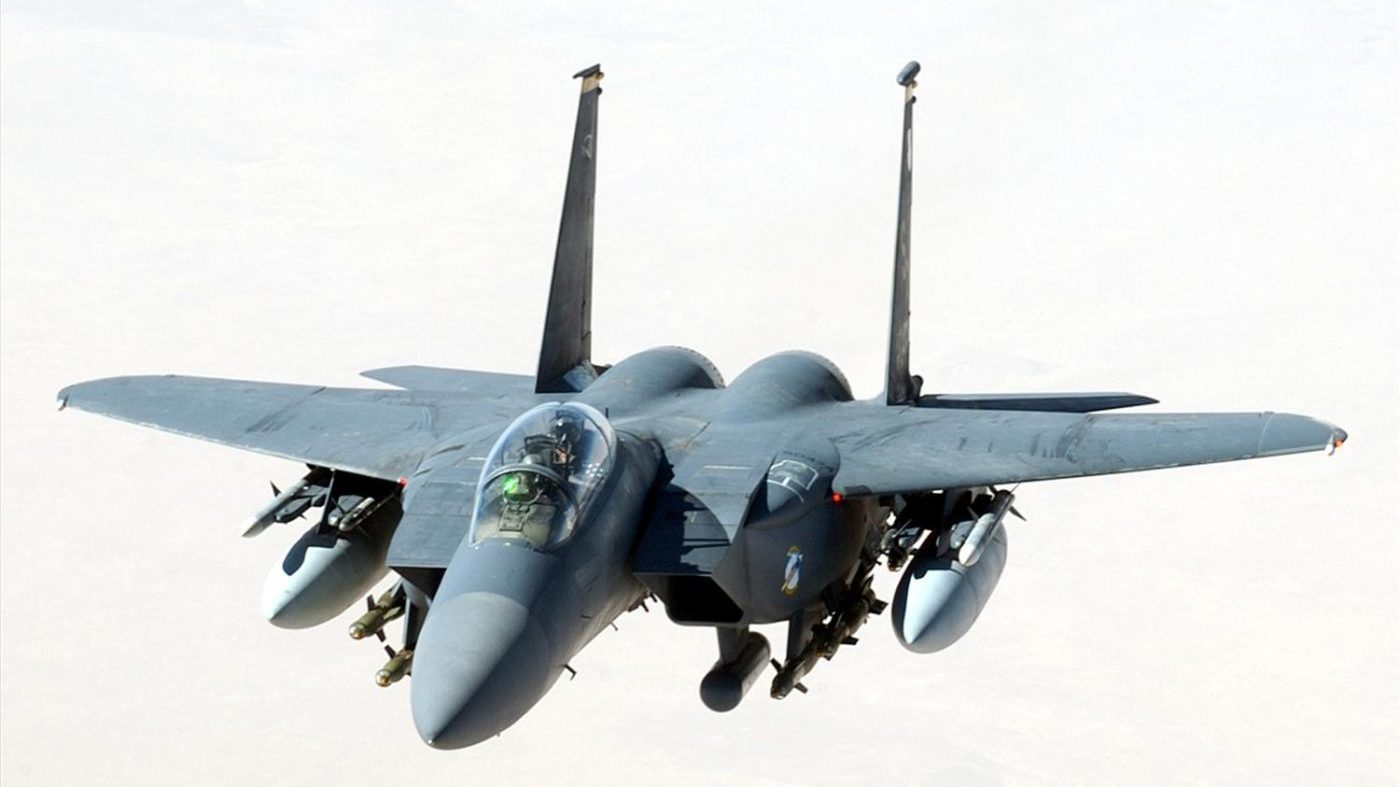
Brig. Gen. Hossein Mohebbi, a spokesman for the Islamic Revolutionary Guard Corps (IRGC), told Iranian state media that no rational observer would accept Washington's narrative, which he described as "fictional and unacceptable." His remarks came in response to a CBS 60 Minutes interview with the officer, identified only by his call sign Bravo, who detailed his survival after his F-15E was struck by an Iranian shoulder-fired missile in April.

In the interview, Bravo claimed he fell at an estimated 70 to 100 mph without a functioning parachute after ejecting, landing hard about five miles from his aircraft. His weapons systems officer, call sign Alpha, ejected safely and was recovered by U.S. forces six hours later. Bravo said he was located by rescue aircraft a day after the crash, having signaled that he was injured but alive.
Mohebbi, however, ridiculed the account, noting that the pilot "claimed that he fell at a speed of 160 kilometers per hour and survived, while his parachute did not even open and he crashed into the heart of a mountain." He accused Washington of inventing heroic rescue stories to distract from its struggles in a conflict that has dragged on for more than six months and remains deeply unpopular at home.
The IRGC spokesman added that such narratives would only bring embarrassment to the United States, asserting that the interview "will definitely not only fail to bring any achievement ... but will also become a source of ridicule."
The Pentagon has defended the interview, with U.S. Central Command chief Adm. Brad Cooper telling CBS that the crew had been on a strike mission targeting Iranian industrial facilities linked to Tehran's drone and missile program. The operation was part of broader U.S. efforts to degrade Iran's military capabilities amid the ongoing war, which President Trump has suggested will conclude after the midterm elections.
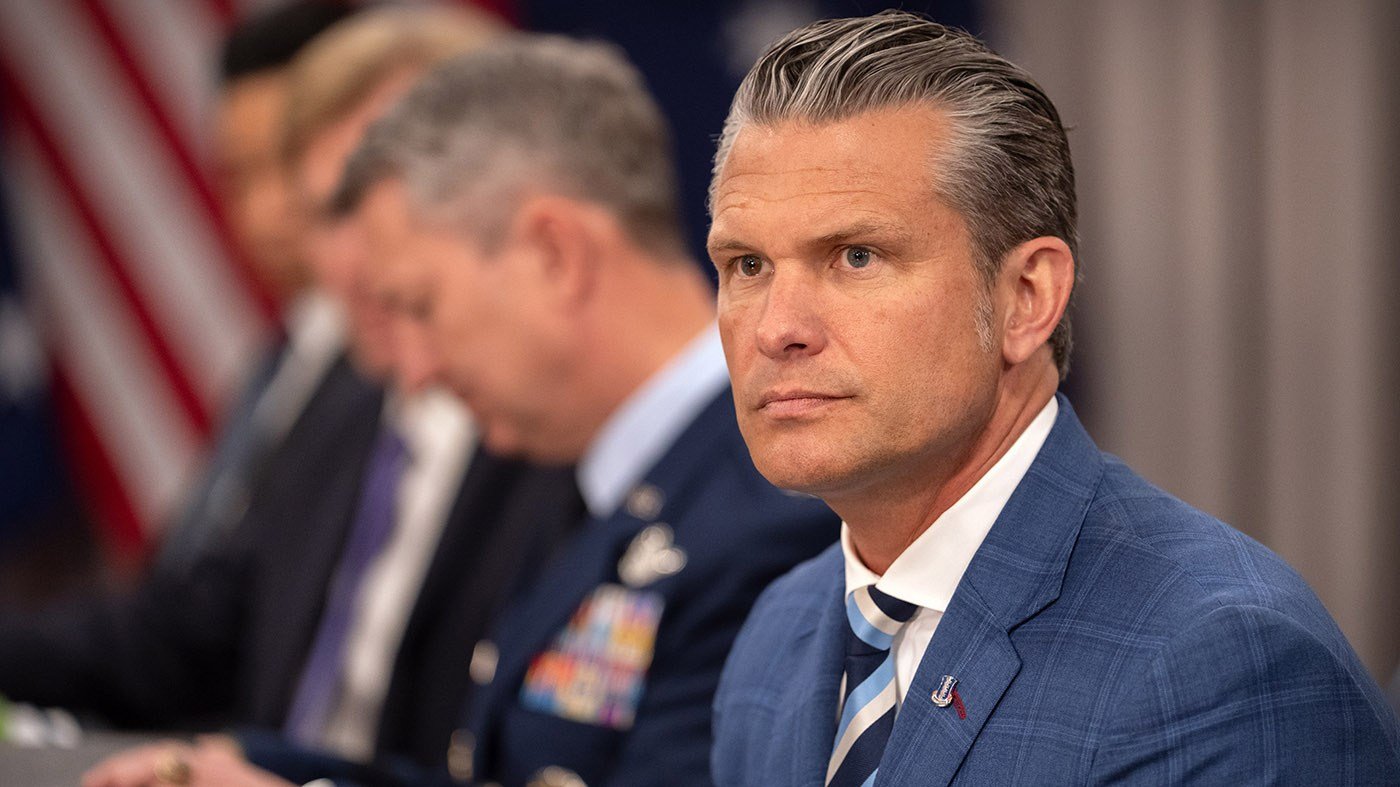
Yet the public relations push has not been without internal friction. CNN reported that Defense Secretary Pete Hegseth and his political appointees pressured the two airmen to participate in the CBS segment, despite initial reluctance from the crew. According to three sources, Hegseth met privately with the officers and asked whether they would appear willingly rather than under orders.
The episode underscores the delicate balance the administration faces in selling the conflict to a war-weary public while managing the credibility of its own narratives. As Iran continues to dispute the details, the rescue story has become a flashpoint in the broader information war between Washington and Tehran.
For now, the Pentagon stands by its account, but the dispute reflects deeper tensions over how the conflict is being portrayed—both at home and abroad. The Iranian dismissal, while predictable, adds another layer of complexity to an already volatile standoff.