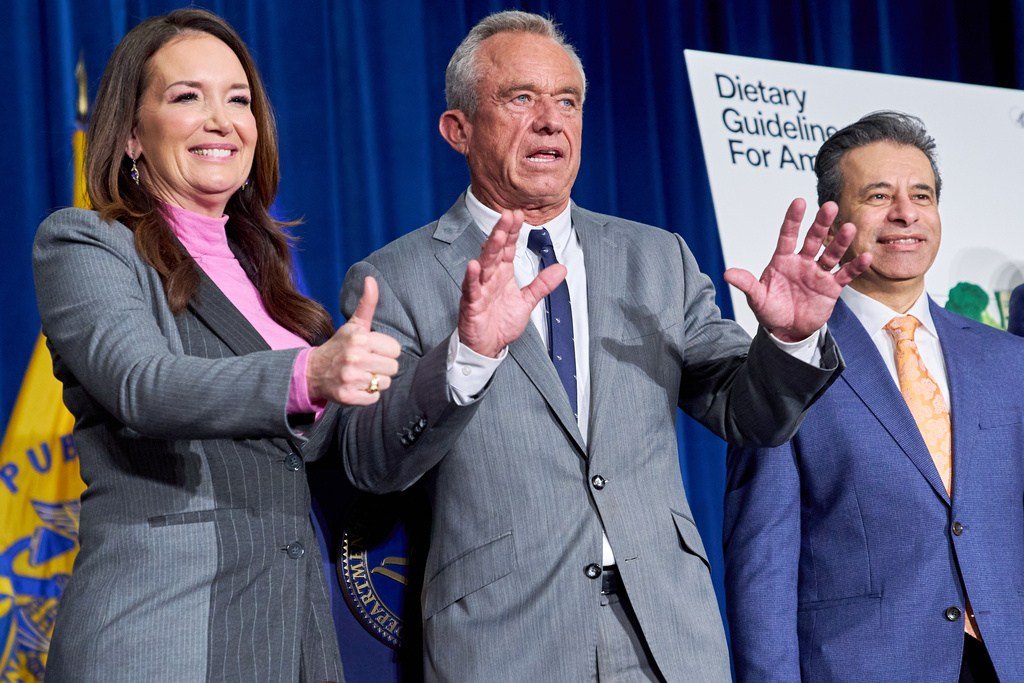
The Trump administration is rolling out a fresh push to reshape school nutrition, combining federal grants, equipment funding, and private-sector partnerships to bring more locally grown food into America's cafeterias. The effort, announced as the new school year begins, is part of the broader "Make America Healthy Again" agenda championed by Agriculture Secretary Brooke Rollins and Health and Human Services Secretary Robert F. Kennedy Jr.
School meals are a cornerstone of child nutrition, with the National School Lunch Program serving roughly 30 million students daily and the School Breakfast Program reaching about 15 million. That translates to over 4.8 billion lunches and 2.5 billion breakfasts annually, giving schools an outsized role in shaping lifelong eating habits. The administration argues that aligning these meals with the 2025–2030 Dietary Guidelines for Americans—released earlier this year—can help combat the nation's chronic disease crisis.
Aligning meals with dietary guidelines
The U.S. Department of Agriculture is finalizing a proposed rule for school meals that would require menus to reflect the latest dietary science. Among the changes, the rule would promote whole-food breakfast options, healthier cooking methods, 100% whole grains, whole fruit, and whole milk. Rollins described it as "the most transformative action we have taken to date for our children, and for the future of America."
To support these goals, USDA is providing up to $25 million in additional funding for the Patrick Leahy Farm to School Grant Program. That follows a record $20 million awarded to two cohorts in April 2026, the largest investment in the program's history. One beneficiary, the Pennsylvania Beef Council, is using the funds to partner with 175 schools across the state, serving nearly 300,000 students with locally sourced protein.
Upgrading cafeteria infrastructure
Beyond sourcing, the administration is tackling the logistical hurdles of serving fresh food. Many schools lack adequate cold storage, stoves, and other equipment needed to prepare meals from scratch. USDA is investing up to $70 million for cafeteria upgrades, including $20 million in National School Lunch Program Assistance Grants distributed to states this month. The goal is to help schools transition from reheating processed items to cooking whole ingredients.
The private sector is also stepping up. Tyson Foods has pledged $1 million over two years to improve food access and nutrition education, particularly in rural areas. Sysco and Aramark have committed to supporting school districts through menu development and nutrition services. Rollins emphasized that "investing in the health of our nation is truly a team effort," and the administration is seeking additional corporate partners.
Critics may question the timing or the administration's broader political positioning ahead of the midterms, but officials frame the initiative as a nonpartisan investment in children's health. "Putting America First means putting America's children first," Rollins wrote, adding that a healthier future depends on connecting farms to schools.
As the rule moves toward finalization, schools will be watching closely. The changes could significantly alter breakfast and lunch menus, and the additional funding may help ease the transition. For now, the administration is betting that real food from American farms will lead to healthier students—and a healthier country.

