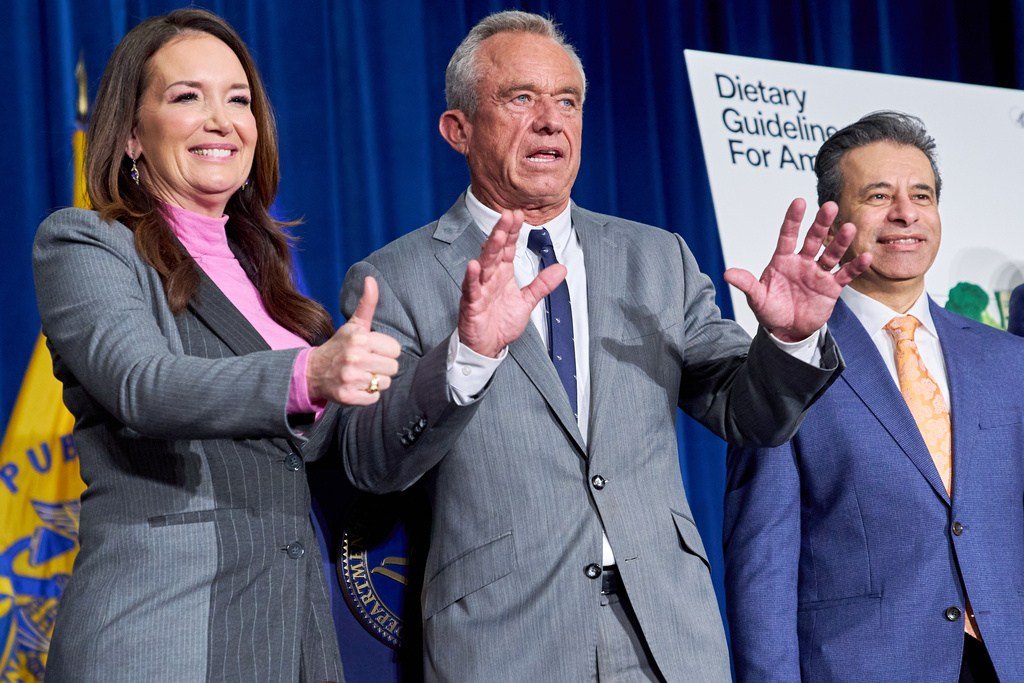
The Trump administration is moving to reshape school nutrition, announcing new funding streams and policy changes aimed at getting more American-grown food into cafeterias. The initiative, framed as part of the president's Make America Healthy Again agenda, includes $25 million in additional farm-to-school grants and up to $70 million for kitchen equipment upgrades.
Agriculture Secretary Brooke Rollins and Health and Human Services Secretary Robert F. Kennedy Jr. touted the effort as a historic shift toward whole, nutrient-dense meals. They noted that schools serve about 30 million lunches and 15 million breakfasts daily, making them a critical venue for shaping lifelong eating habits. The 2025–2030 Dietary Guidelines, released earlier this year, emphasize real food over processed alternatives, and the administration wants school menus to reflect that.
The centerpiece is a proposed school meals rule that USDA is finalizing. It would require whole grain options, whole fruit, whole milk, and healthier cooking methods, aligning with the dietary guidance. Rollins called it "the most transformative action we have taken to date for our children."
On the funding side, the Patrick Leahy Farm to School Grant Program is receiving up to $25 million for the upcoming school year. Earlier this year, USDA awarded $20 million to two cohorts, the largest investment in the program's history. One recipient, the Pennsylvania Beef Council, is partnering with 175 schools to serve nearly 300,000 students locally sourced protein.
Beyond sourcing, the administration is addressing infrastructure gaps. Many schools lack adequate cold storage or cooking equipment, limiting their ability to prepare meals from scratch. USDA is investing up to $70 million for upgrades, including $20 million in National School Lunch Program Assistance Grants distributed this month.
Private sector support is also emerging. Tyson Foods is committing $1 million over two years to improve food access in rural areas, while Sysco and Aramark have pledged partnerships involving nutrition education and menu development. Rollins emphasized that improving child health requires a collective effort.
The push comes amid broader political battles over food policy and school meal standards. Critics have questioned the administration's approach, but officials argue that connecting farms to classrooms is a common-sense investment. As Rollins put it, "putting America First means putting America's children first."
For more on related political developments, see how inflation is affecting the administration's midterm outlook and the president's recent comments on gas prices.