President Trump's announcement of a diesel supply agreement with Russia is drawing skepticism from energy analysts, who question whether the deal will actually bring relief to American consumers and truckers grappling with near-record fuel costs.
Patrick De Haan, head of petroleum analysis at GasBuddy, said Monday that the proposed arrangement "raises more questions than it answers" and that he remains "skeptical that it will deliver significant relief to the trucking industry and consumers who depend on diesel." His comments came in a post on X, reflecting broader uncertainty about the feasibility and impact of the deal.

Trump revealed Friday that he and Russian President Vladimir Putin had agreed that Moscow would "immediately supply" more than 300,000 tons of diesel to the U.S. and global markets. Additional shipments were outlined: 500,000 tons in November, 1 million tons "immediately thereafter," and 3 million tons "within a short period of time," contingent on the state of Russian refineries. The president celebrated the arrangement on Truth Social, predicting that "Energy, Diesel Prices for Americans and, indeed, the World, will be COMING DOWN, IN RECORD NUMBERS, AND FAST!"
However, the deal's viability is complicated by ongoing conflict. Ukrainian forces have repeatedly targeted Russian oil infrastructure, and Trump claimed Sunday that both sides had agreed to an energy ceasefire. Yet Ukrainian President Volodymyr Zelensky later reported a Russian strike on a power plant in Kharkiv, underscoring the fragility of such assurances.
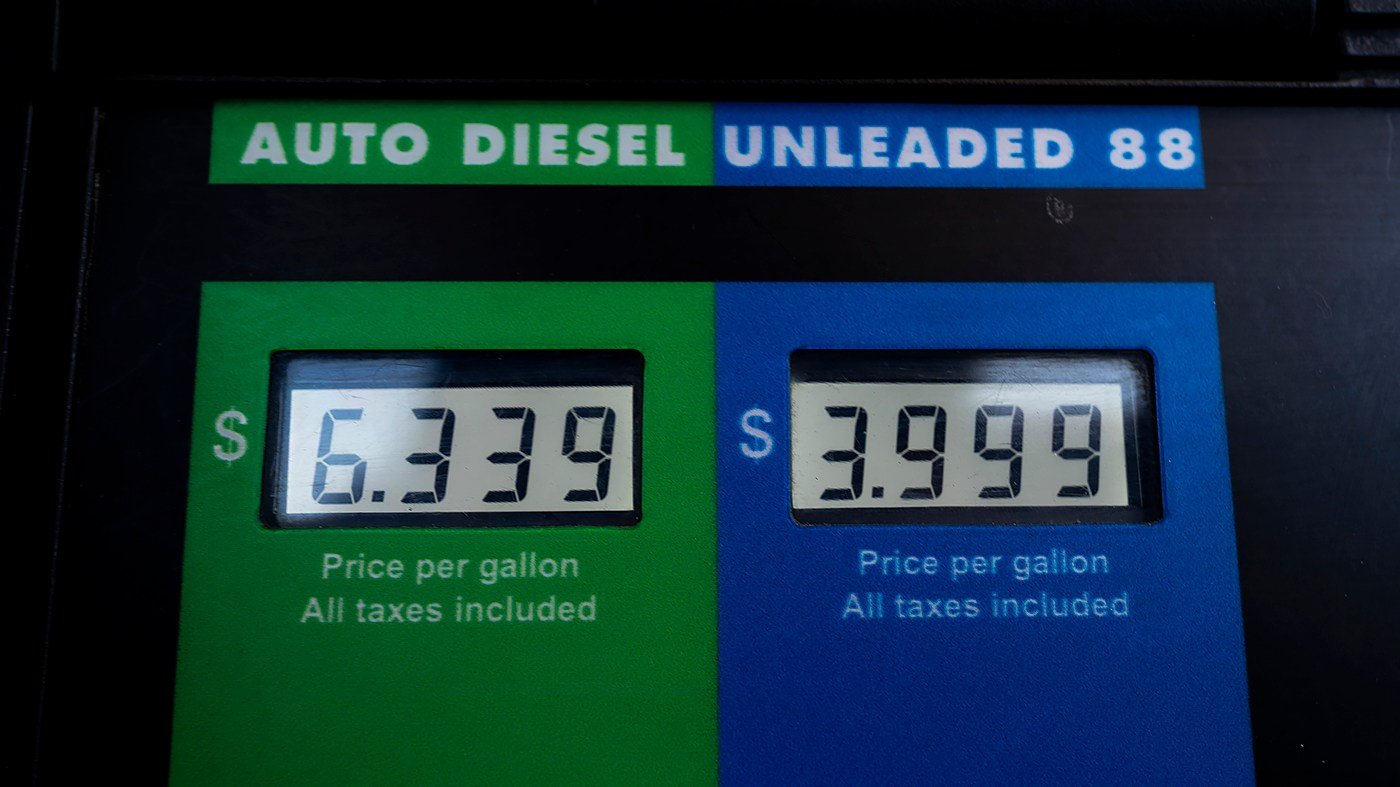
De Haan noted that diesel prices have ticked down slightly in the past week—AAA data shows a drop of about 5 cents per gallon—but the national average remains around $6.27, roughly $2.60 higher than a year ago. Regular gasoline is averaging about $4.36, down a cent from last week but still $1.28 above last year's level.
The analyst cautioned against reading too much into the recent declines. "For now, the trend is cautiously in the right direction for motorists, but between hurricane season and continued geopolitical uncertainty, it is far too early to declare the pressure on fuel prices resolved," he said.
The deal has also stirred political backlash. Senate Foreign Relations members have criticized the move, and some GOP lawmakers worry it undercuts their midterm message. The arrangement comes as Senator Tillis argues it undermines Graham's sanctions push, adding to the political firestorm.
With the midterm elections approaching, the administration is eager to show progress on inflation, but analysts and lawmakers alike remain wary of relying on a deal with Moscow that may not materialize as promised.