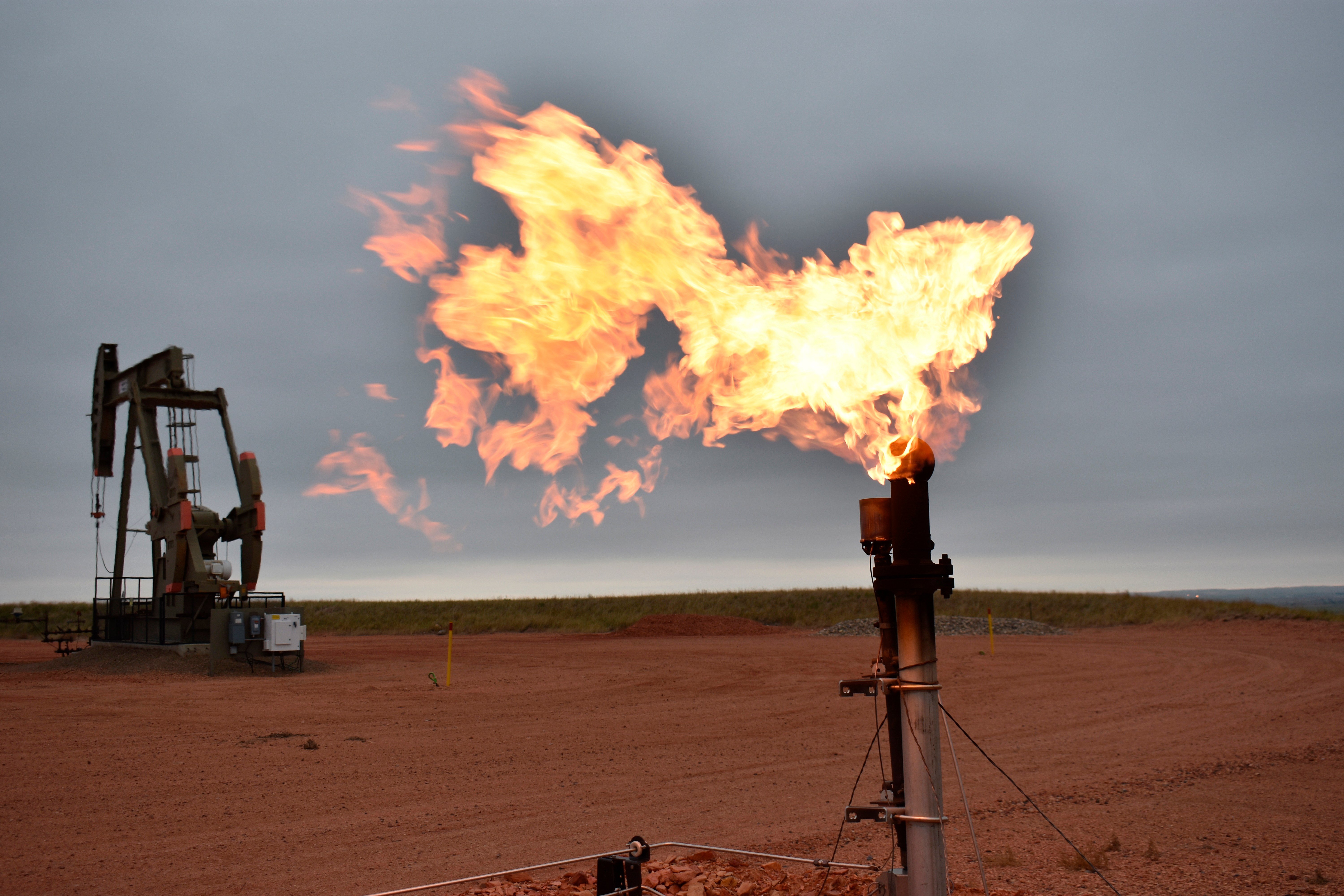
The Trump administration has moved to bypass environmental reviews for certain oil and gas exploration activities in Alaska's Arctic, a decision that could accelerate drilling in the region.
On Thursday, the Interior Department issued a notice exempting wintertime exploration in the National Petroleum Reserve-Alaska (NPR-A) from standard environmental assessments. The exemption covers seismic surveys to locate oil deposits, construction of temporary roads, and drilling of exploratory wells—steps typically taken before full-scale production.
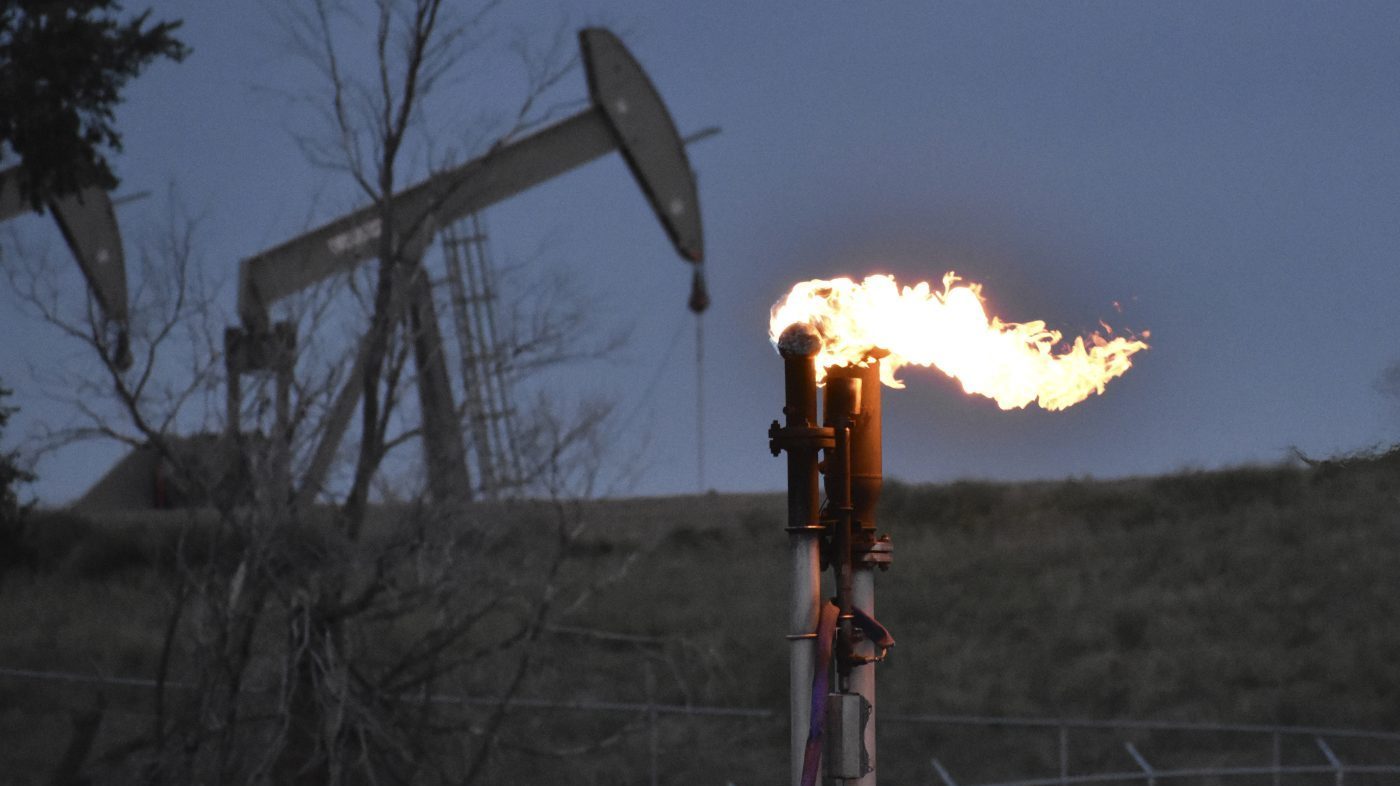
Administration officials argue the change will help energy companies access resources more quickly. They note that past reviews have found such activities would not significantly harm the environment.
Kevin Pendergast, Alaska State Director for the Bureau of Land Management, said in a statement that the exemption "will allow developers to more nimbly locate energy resources in the Petroleum Reserve, ultimately increasing domestic energy supply, leading to stable energy costs and more revenue for Alaskan communities and the American public."
Environmental groups immediately condemned the move. Janet Bering, an attorney with Earthjustice, called it an attempt to "fast track large scale oil drilling and seismic exploration without any further environmental analysis or public input." She added, "It is cutting the public out of this decision and future decisions."
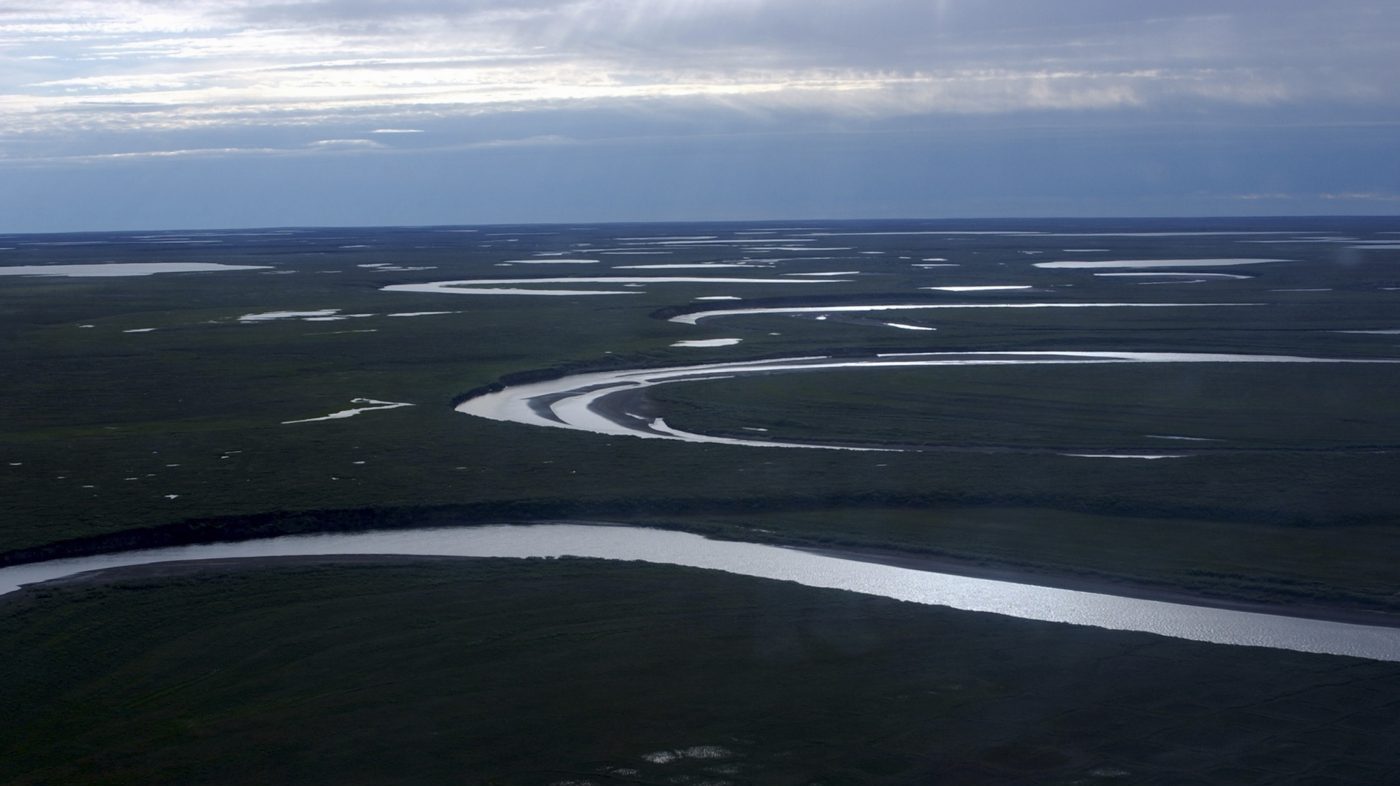
The exemption follows the administration's recent proposal to expedite oil production in the reserve, which spans roughly 23 million acres on Alaska's North Slope. The area was set aside in 1923 by President Warren Harding as an emergency fuel supply for the U.S. Navy.
While drilling has occurred in the reserve for decades, environmental advocates have long raised concerns about impacts on wildlife, including caribou and migratory birds. The new categorical exclusion removes a layer of review that previously allowed for public comment and detailed analysis.
The Alaska Oil and Gas Association praised the decision, thanking the Interior Department for moving forward with what it called a "common-sense action."
This is not the first time the administration has sought to loosen environmental rules in Alaska. Earlier this year, it moved to open up the Arctic National Wildlife Refuge to drilling, a separate but related push that has also drawn legal challenges.
The new exemption is likely to face lawsuits from environmental groups, who argue it violates the National Environmental Policy Act. Legal experts say the administration's use of a categorical exclusion may be vulnerable to court challenges, particularly if opponents can show that the excluded activities could have significant cumulative impacts.
For now, the policy stands as another step in the administration's broader effort to expand domestic fossil fuel production, a theme that has resonated with Alaska's political leaders and industry supporters. Critics, however, see it as an end run around environmental safeguards, with potential consequences for the Arctic ecosystem.