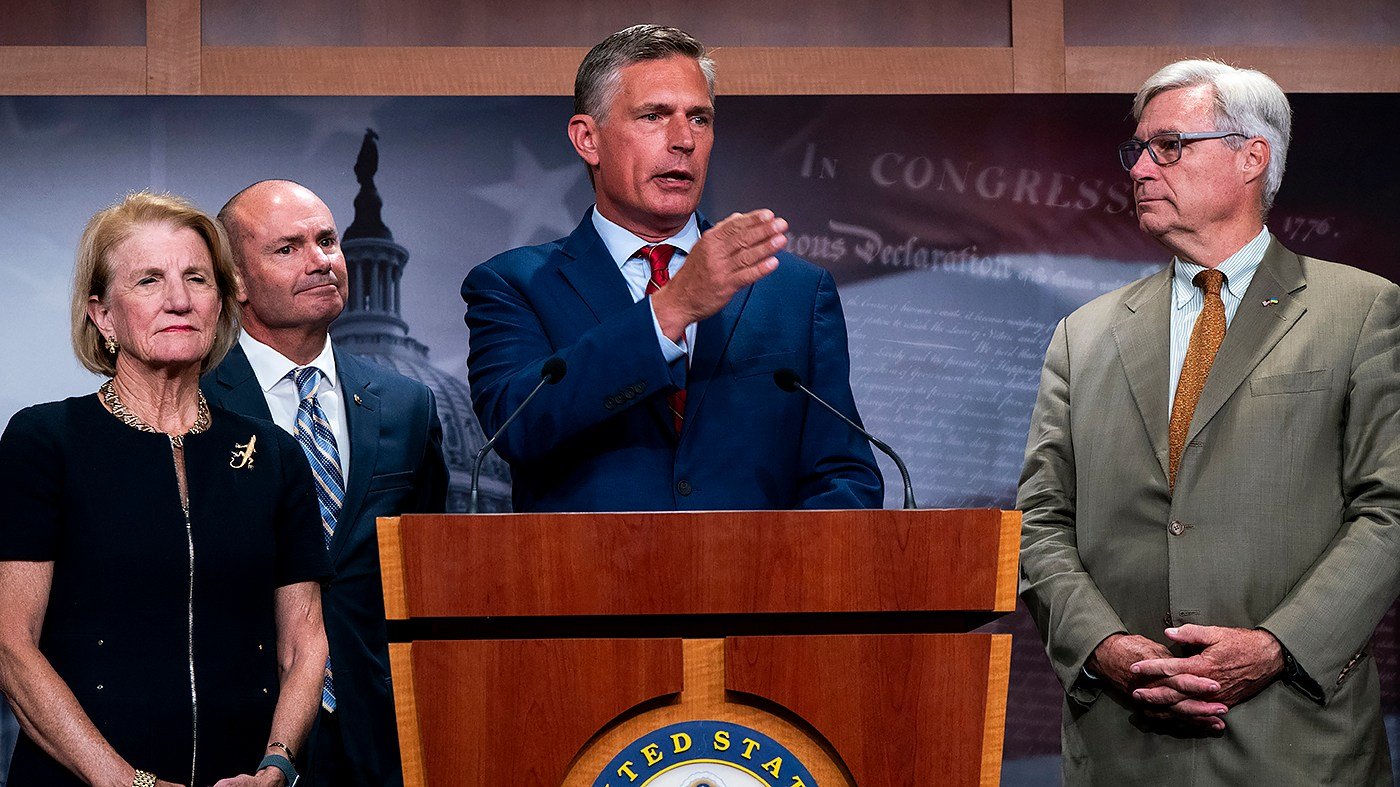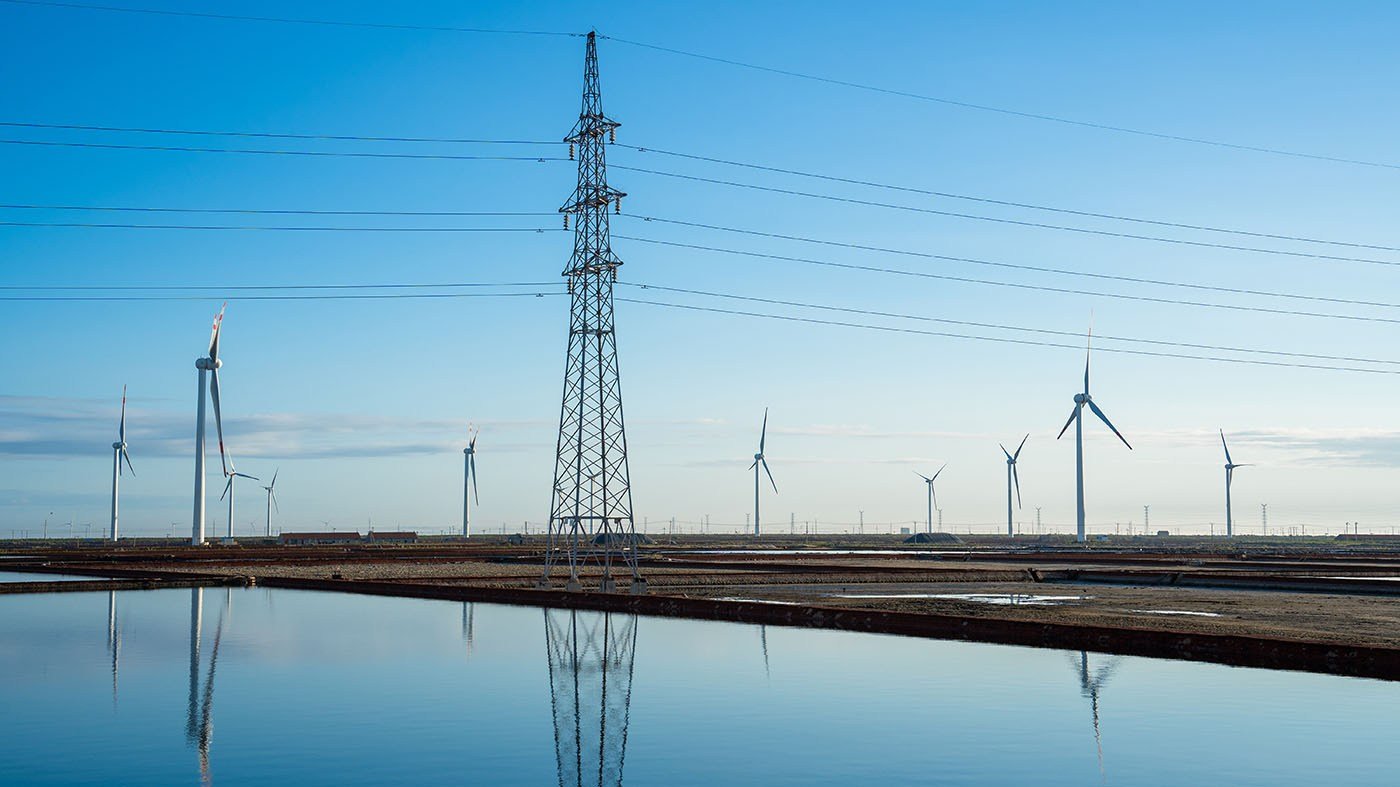
President Trump has long dismissed wind energy as "worthless," but a permitting reform bill he is championing could compel his own administration to green-light wind projects he has vowed to stop. The Bipartisan American Affordability and Jobs Act (BAAJA), which passed the Senate late Thursday, is designed to streamline approval for all energy types, including wind. Trump has said he "100 percent" supports the measure, even as he insists he will not approve wind turbines.
The legislation now heads to the House, where its fate is uncertain. If it clears the lower chamber, it would land on Trump's desk, creating a scenario where he signs a law that undermines his own anti-wind agenda. Renewable energy advocates argue the bill's strict timelines and legal enforcement mechanisms would prevent federal agencies from indefinitely stalling wind projects, a tactic the administration has used to freeze the industry.
Administration's Roadblocks Under Scrutiny
Under Trump, the Defense Department halted reviews of proposed wind farms, and the Interior Department imposed an extra layer of review at Secretary Doug Burgum's office. These hurdles have slowed the pipeline of renewable projects, even as electricity demand is projected to surge. Frank Macchiarola, chief advocacy officer at the American Clean Power Association (ACP), noted that renewables are meeting much of the new demand, but the administration's actions are choking that growth.
"The pipeline is slowing down for those projects because the Trump administration has put a lot of roadblocks in the way of siting and permitting," Macchiarola said at a recent event hosted by The Hill. He also cited the elimination of renewable energy tax credits in Trump's One Big Beautiful Bill Act as a factor.
Legal Teeth in the Bill
Gene Grace, ACP's chief in-house legal officer, said BAAJA would force agencies to act within strict deadlines—45 days after an environmental review for a decision, and 120 days for other authorizations—and allow judicial enforcement if those timelines are missed. "Currently, agencies have the discretion to deprioritize whatever technology and really for whatever reason they want," Grace explained. Under the new law, denials would require evidence, not arbitrary action.
Grace contrasted this with current practices, citing "a lot of denials that have been totally arbitrary or just freezing an industry" through secretarial review orders or the DOD freeze. The bill also permits developers to sue if they face "disparate treatment" against a specific energy type, and it would block efforts to revoke existing permits, including offshore wind projects.
Xan Fishman, executive vice president of the energy program at the Bipartisan Policy Center, said the bill's certainty provisions would lower financing and construction costs by reducing risk for investors. "If you get a permit, you can count on it," he said, adding that the process would be more predictable.
Political Paradox and Doubts
Questions remain about whether the administration will faithfully implement the law or honor a side deal with Democrats to advance wind. Rep. Scott Peters (D-Calif.), a supporter of the bill, argued that wind advocates should feel safer with BAAJA than without it. "Anyone who's concerned about Trump jerking around wind and solar should be more comfortable with BAAJA and Trump than without," Peters said. He acknowledged Trump's unpredictability but framed the bill as a long-term fix: "Trump is a two-year problem. We're trying to solve a 30-year problem, a 40-year problem with transmission and the build."
The bill's passage would mark a rare bipartisan achievement, but it also sets up a potential clash between Trump's stated opposition and the legal obligations he would sign into law. For now, the industry watches closely, hoping the legislation survives the House and that its provisions hold up in practice.