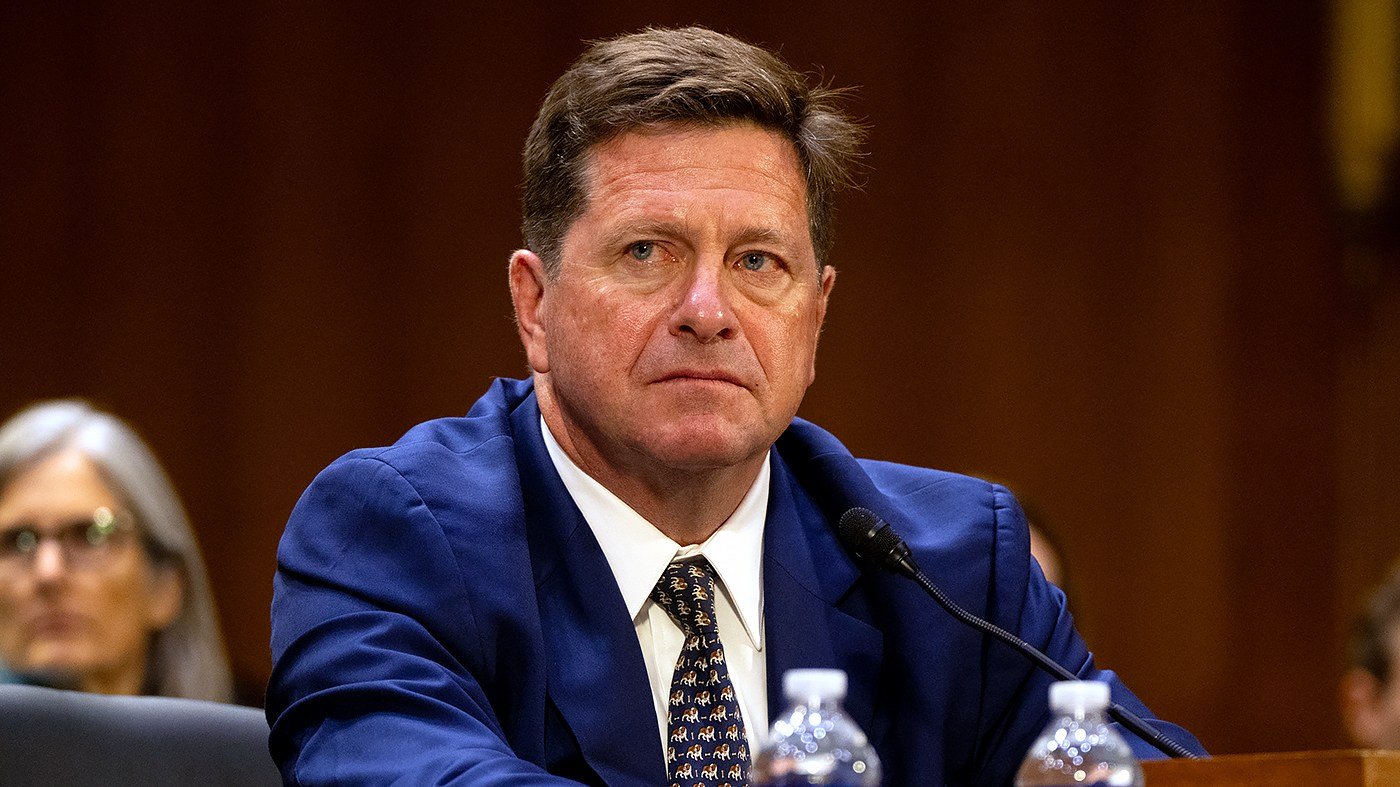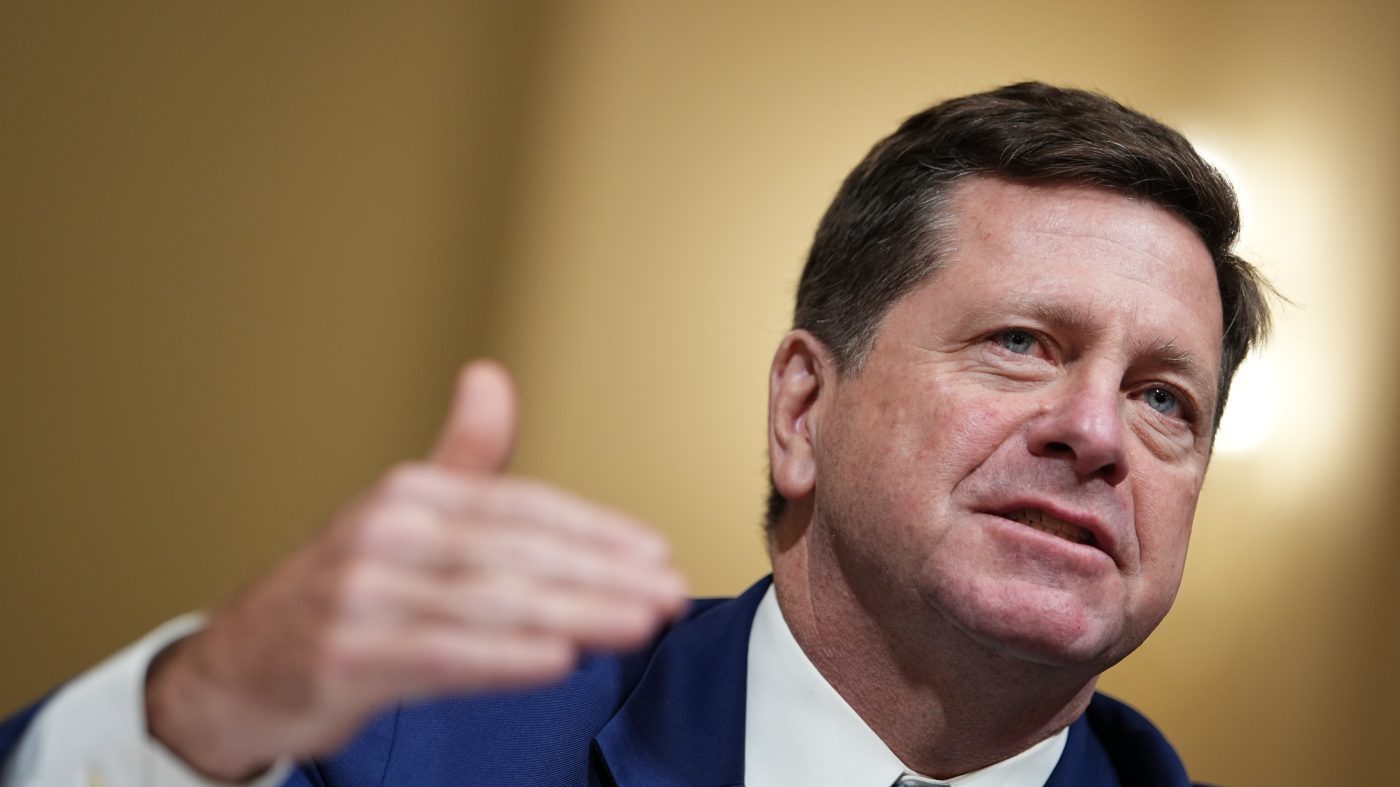
Director of National Intelligence Jay Clayton on Sunday defended President Trump's characterization of Russian President Vladimir Putin as a “friend,” but was unequivocal when asked whether the Kremlin leader serves American interests in Ukraine.
“He is not America's friend in Ukraine,” Clayton told ABC's “This Week,” adding, “Not at all.”
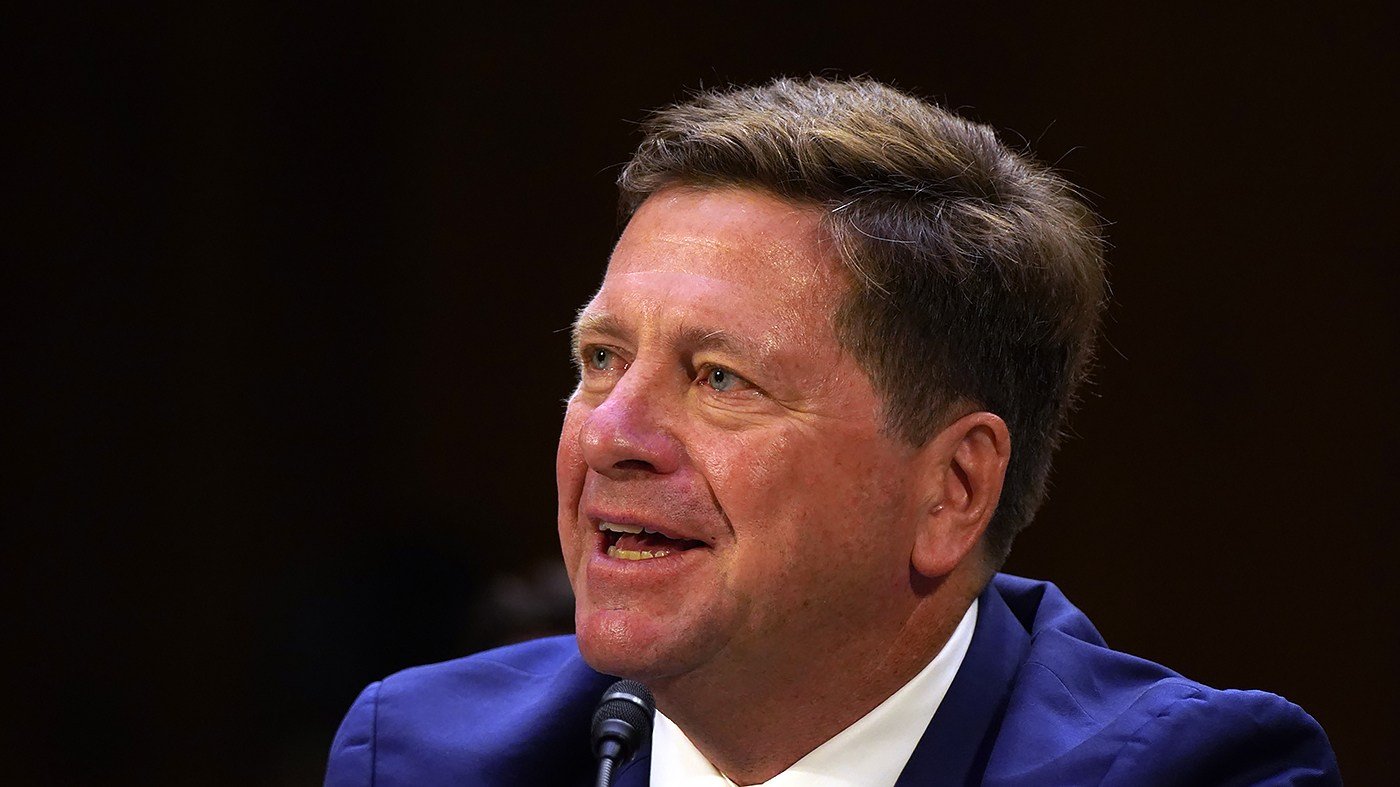
Clayton's comments came after Trump, at a White House press briefing on Friday, declined to say whether he considered Putin a friend of the United States, remarking that he “can't speak to America.”
In the ABC interview, co-anchor Jonathan Karl pressed Clayton on Trump's use of the word “friend” during last week's trilateral summit in Shenzhen, China, where the U.S., Russian, and Chinese leaders met. Clayton called the label “entirely appropriate” in that context, pointing to the historic gathering of the world's three major nuclear powers.
“That conversation, that picture — historic, historic picture — was in the context of the three nuclear powers, the three main nuclear powers, getting together and saying, 'We cannot have a nuclear incident,'” Clayton said.
During a separate appearance on CNN's “State of the Union,” Clayton reiterated his full confidence in Trump's foreign policy judgment, telling anchor Dana Bash he trusts the president “completely.” He praised Trump for facilitating an agreement among Putin, Chinese President Xi Jinping, and himself to avoid escalating nuclear tensions.
“The president is the greatest conductor of foreign policy, in a very challenging time,” Clayton said.
When Bash asked directly whether Putin is a friend of the U.S., Clayton declined to give a simple yes or no, saying, “In different contexts, you can use a different word.”
The summit in Shenzhen marked a rare meeting of the three leaders, and Trump's warm greeting of Putin as “my friend” drew attention amid ongoing tensions over Russia's war in Ukraine. The failed Russian diesel gambit has recently handed Ukraine a sanctions win, complicating any narrative of rapprochement.
Clayton's defense aligns with the administration's broader messaging that personal rapport with authoritarian leaders can serve strategic interests, a stance that has drawn criticism from some foreign policy experts. The trilateral summit itself was hailed by the White House as a diplomatic breakthrough, though skeptics question its tangible outcomes.
Trump is expected to face press questions about the summit and his relationships with Putin and Xi in the coming days, likely during a press conference following the trilateral meeting. Meanwhile, Clayton's comments underscore the administration's careful balancing act: projecting strength on Ukraine while maintaining a personal channel with Moscow.