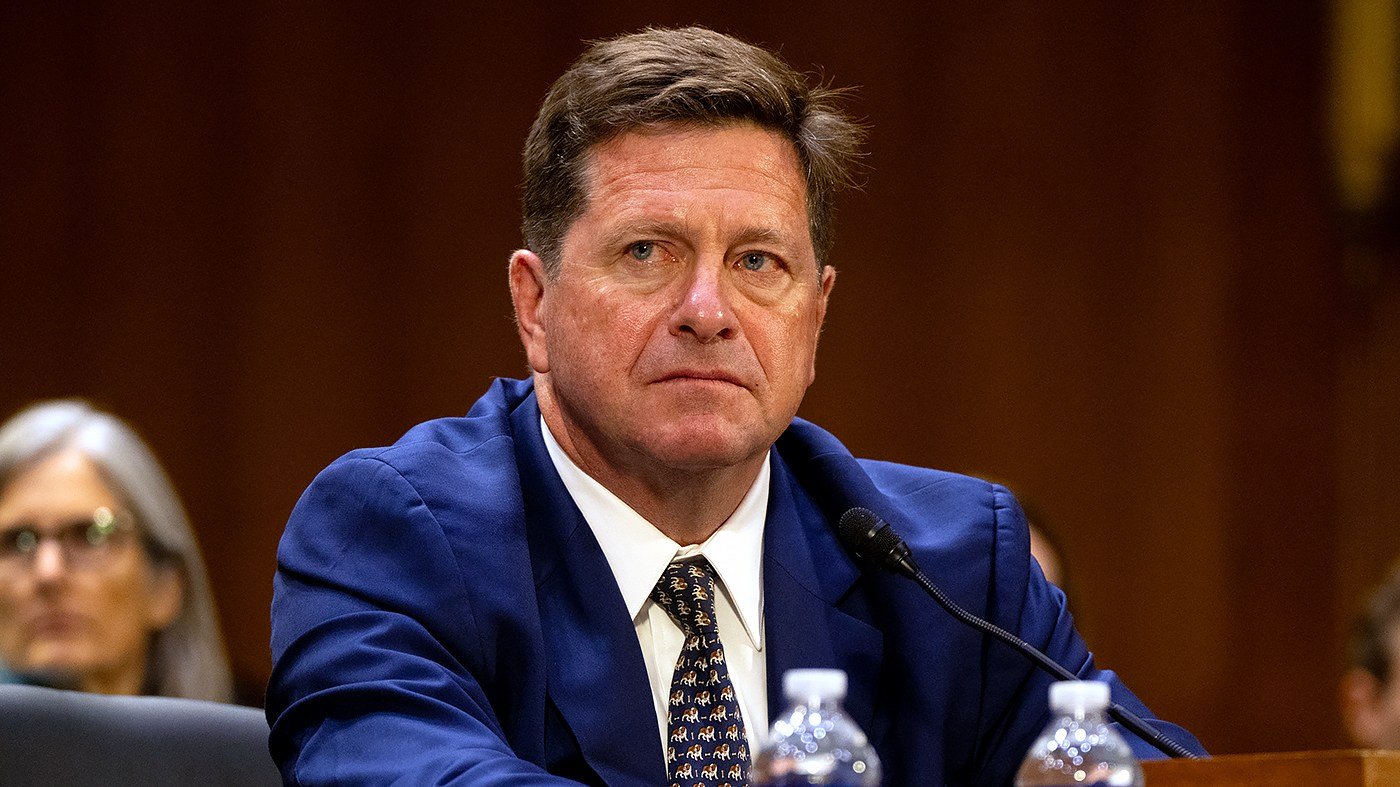
Director of National Intelligence Jay Clayton said Sunday that Americans should anticipate disruptions as the government and private sector modernize aging infrastructure and digital systems, acknowledging that the recent spate of outages affecting airlines, banks, and government agencies are part of a broader transition.
In an interview on CNN's State of the Union, Clayton told host Dana Bash that the public should be prepared for significant investment in system upgrades and cybersecurity. "Any time there is a step change in technology, a step change in both compute and applications, there will be bumps in the road," he said.
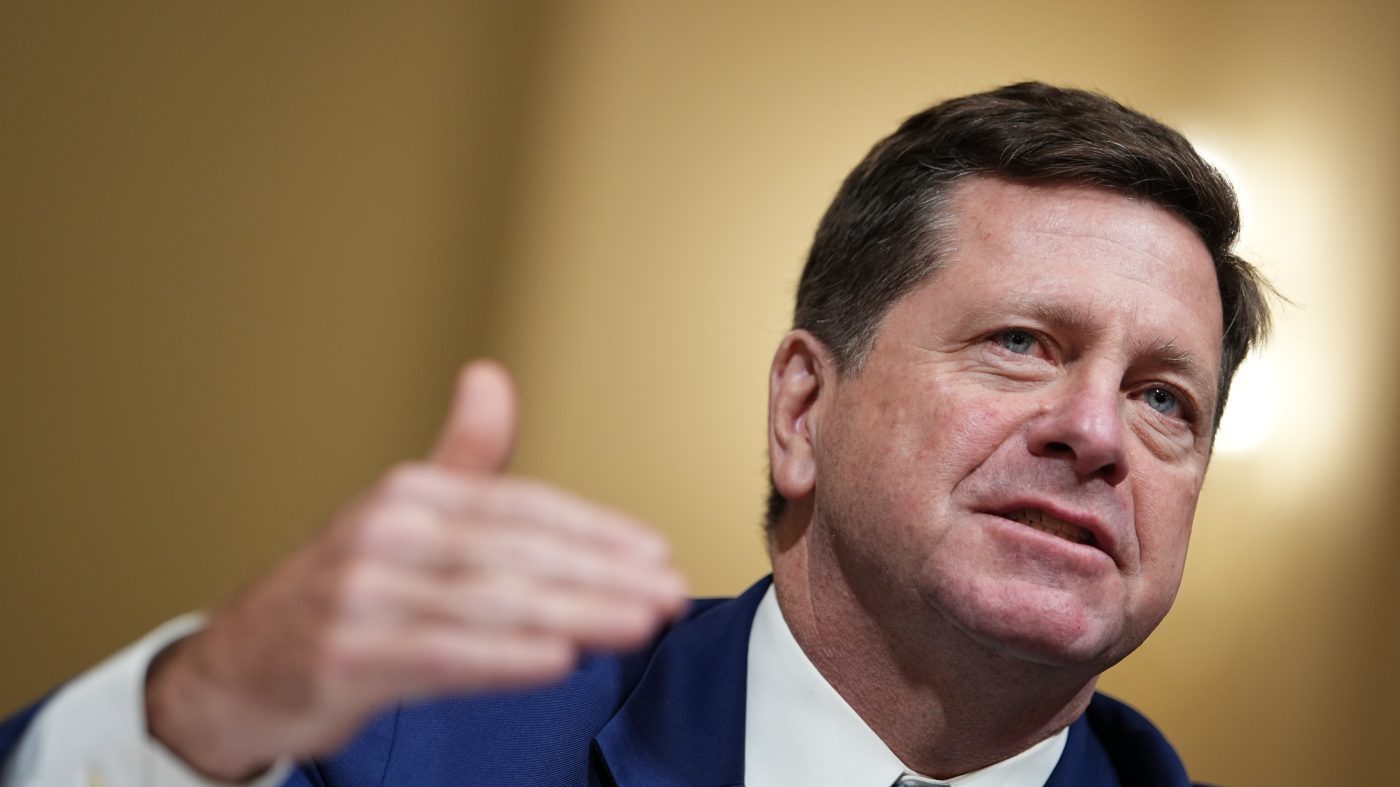
Clayton likened the process to renovating a home, where unexpected issues inevitably arise. Bash extended the analogy, noting that such projects often require temporary relocations and contingency plans. She referenced recent comments by Vice President JD Vance, who dismissed the need for Americans to stockpile food and water amid fears of a broader crisis. Clayton echoed that sentiment, emphasizing the nation's resilience.
"America's the most amazing and resilient place, and we have been living with interruptions," he said. "Let's give ourselves some credit. Let's go back to COVID, other things – Americans fought their way through these terrible things in an incredible, resilient way."
When Bash pressed whether the current situation could escalate to COVID-level severity, Clayton was firm: "Not at all, not at all. Let me be clear." He stressed that transparency with the public is key, and that both government and companies are being straightforward about the challenges.
The remarks come after a series of high-profile outages, including disruptions at Microsoft, Apple, and United Airlines, as well as temporary lockouts for customers of JPMorgan Chase, Bank of America, and Wells Fargo. Further incidents affected internal communications at the National Security Agency and prompted a nationwide ground stop by the Federal Aviation Administration. While some speculated about cyberattacks, U.S. intelligence leaders, including Clayton, have attributed the failures to system upgrades rather than malicious actors.
President Trump initially downplayed the incidents, saying "it's fine," and later advised Americans to "relax, everything's fine." Speaking from Shenzhen, China, before trilateral talks with Russian President Vladimir Putin and Chinese President Xi Jinping, Trump said, "I'll let you know if there's a problem."
Clayton's comments align with assessments from other officials. As routine upgrades, not hackers, pose the biggest threat to critical systems, lawmakers have begun scrutinizing the administration's handling of the outages. In recent congressional hearings, Mullin and Clayton faced skeptical lawmakers over the wave of tech outages, with some questioning whether enough is being done to prevent future disruptions.
Clayton's call for resilience echoes his previous warnings about national security challenges. He has also been vocal about foreign threats, recently stating that Putin is not America's friend in Ukraine. Meanwhile, experts warn that digital infrastructure failures are on the rise, underscoring the need for robust investment.