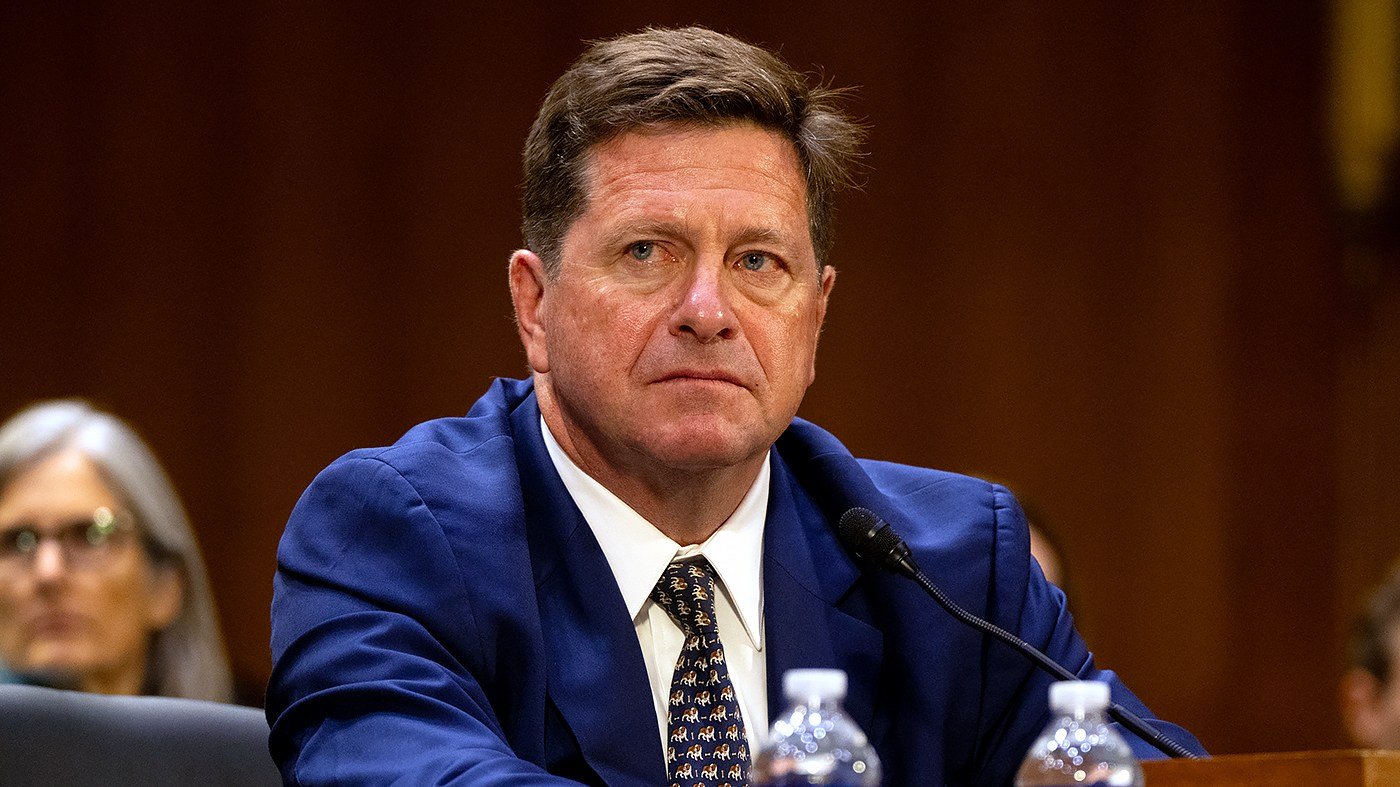
Director of National Intelligence Jay Clayton on Sunday expressed unwavering confidence in President Trump's handling of foreign affairs, even as the president publicly referred to Russian President Vladimir Putin as a friend. During an appearance on CNN's State of the Union, host Dana Bash confronted Clayton with two Truth Social posts in which Trump called Putin and Chinese President Xi Jinping his friends, asking whether the intelligence chief considered Putin a friend to the United States.
Clayton sidestepped the direct question, instead praising Trump's diplomatic efforts. "The president is the greatest conductor of foreign policy in a very challenging time," he said, citing the recent trilateral summit in Shenzhen, China, where Trump met with Putin and Xi. "Getting the three nuclear powers together and getting them to agree that they are not going to escalate, that they are going to communicate. That is historic. That is remarkable."
When Bash pressed again on whether Putin is a friend to the U.S., Clayton reiterated his trust in the president. "Dana, in different contexts, you can use a different word," he replied, adding that the summit's achievement was "just remarkable."
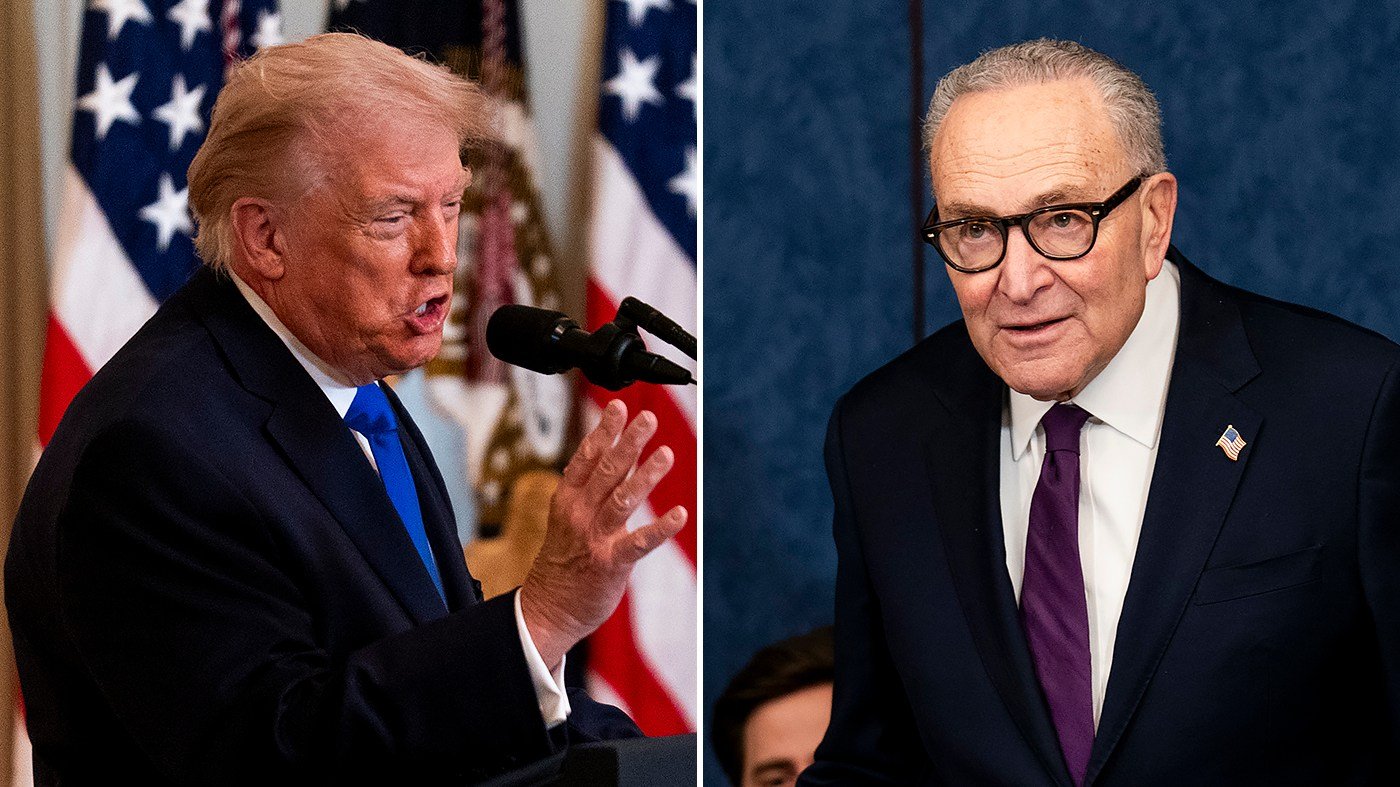
The summit, which took place Thursday, marked a rare gathering of the leaders of the world's largest nuclear powers. Trump, who has long maintained a cordial relationship with Putin, was captured on video approaching the Russian leader and saying, "Who is he? He's my friend." The meeting was intended to focus on ending the Russia-Ukraine war, addressing the conflict in Iran, and advancing denuclearization efforts. According to a joint statement released by the three countries, the leaders agreed on a "declaration toward peace," covering United Nations reform, oil production, the International Criminal Court, and nuclear risk reduction.
Clayton's comments come amid ongoing scrutiny of Trump's relationship with Putin, particularly as the war in Ukraine approaches its fifth anniversary in February. Trump told reporters last week that he believed Putin was "backing down a bit" in the conflict, a remark that drew criticism from Kyiv and its allies.
Ukrainian President Volodymyr Zelensky, who has led his country's resistance with Western support, offered a sharply different assessment of the summit. Speaking to reporters on Saturday, Zelensky said the meeting "turned out very badly for Russia," and in a post on X, he rejected any comparison to the 1945 Yalta Conference, where Allied leaders redrew the map of post-war Europe. "Did Putin want a real Yalta? Yes. In the sense of carving up the world and changing borders. China didn't let itself be drawn into it," he wrote, adding that Ukraine was not discussed at the summit.
Zelensky further dismissed the notion that the summit was a victory for Putin, saying, "If there really was an intention to reaffirm the victory over fascism now, then the participants at this summit would have to be the United States, Europe, and Ukraine. Definitely not Russia." He concluded with a sharp rebuke: "If Putin wanted to remind the world once again who he is, there was no need – we haven't forgotten that he's a terrorist and a killer."
The stark divide between Clayton's trust in Trump and Zelensky's condemnation underscores the tension within the U.S. intelligence community and among allies over the president's approach to adversaries. While Clayton framed the summit as a diplomatic breakthrough, critics argue that Trump's friendly overtures to Putin risk legitimizing the Russian leader's aggression. The summit's lack of concrete progress on Ukraine, according to Zelensky, suggests that any potential peace deal remains elusive.
As the war grinds on and the U.S. heads into a politically charged year, the question of how Trump's personal relationships affect national security is likely to remain a flashpoint. For now, Clayton's full-throated endorsement of the president's judgment appears to leave little room for dissent within his ranks.