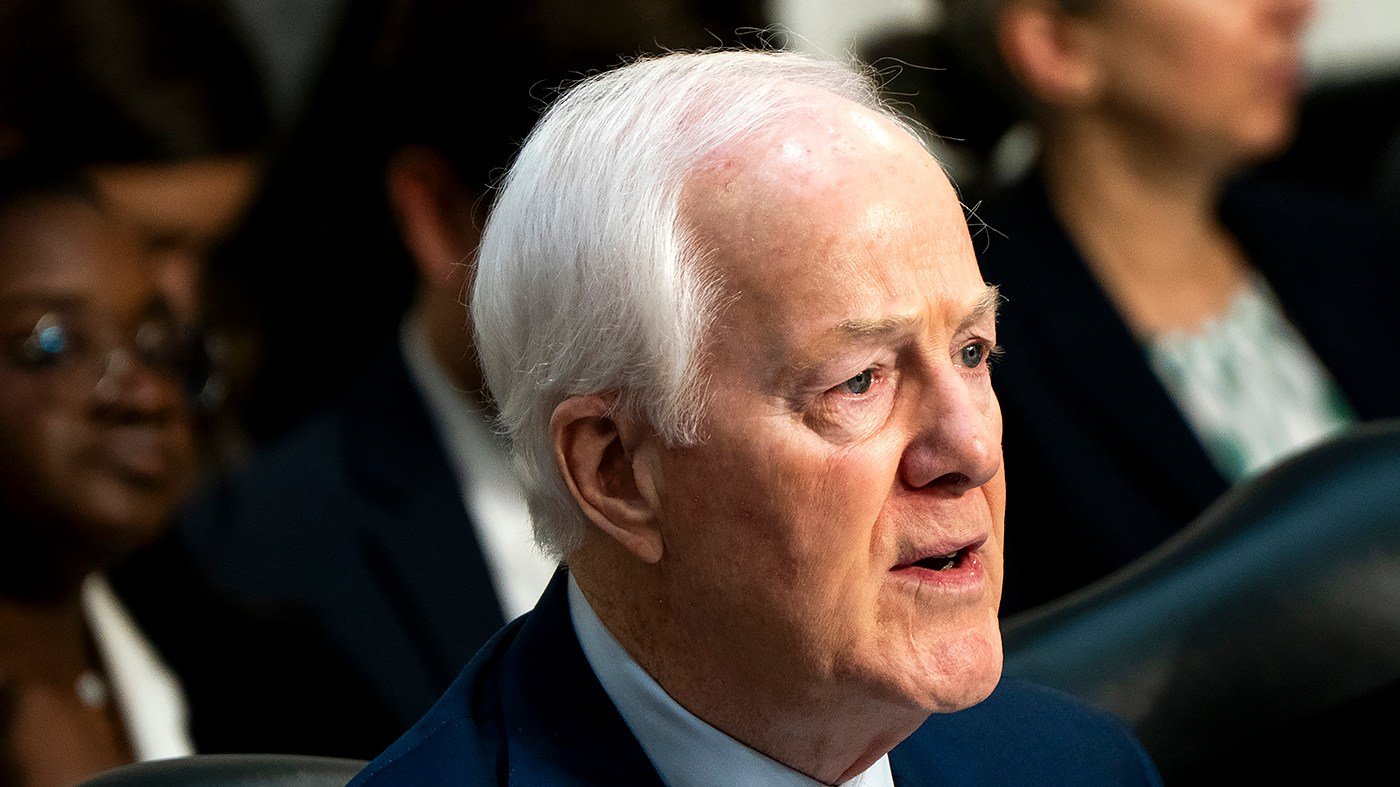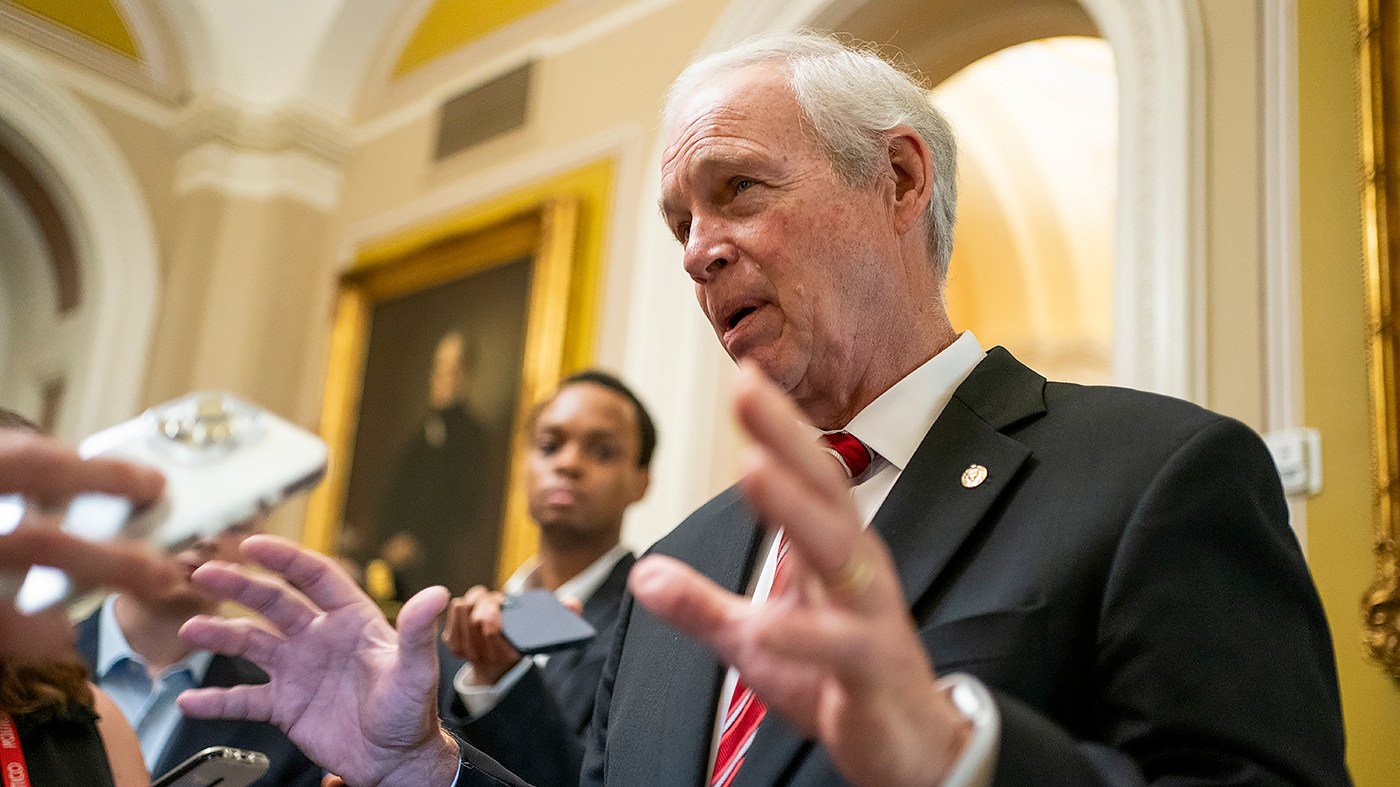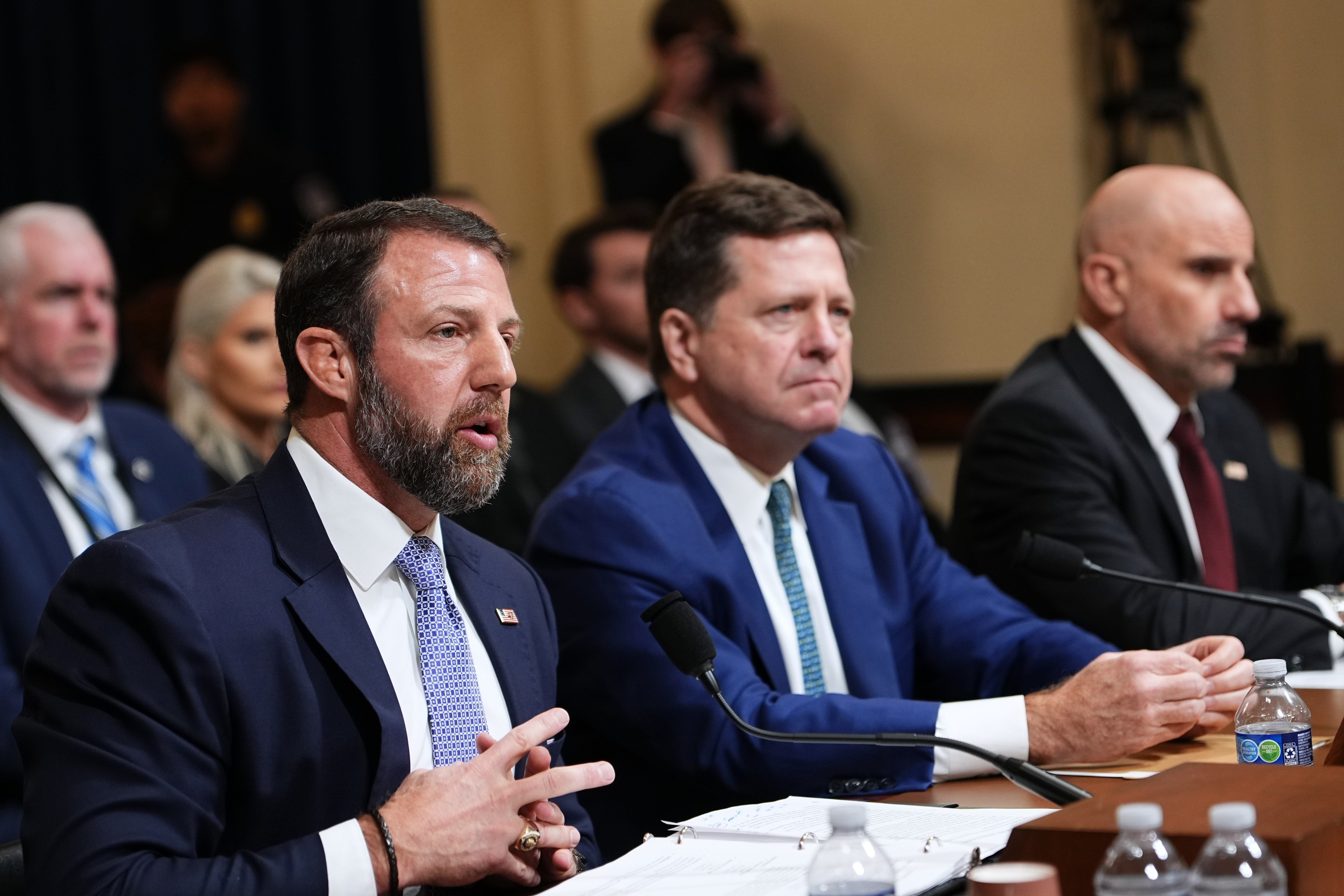
Homeland Security Secretary Markwayne Mullin and Director of National Intelligence Jay Clayton faced a bipartisan grilling on Wednesday over a series of tech outages that disrupted businesses and government operations across the country. Both officials insisted there is no evidence linking the incidents to hostile actors, but their assurances did little to quell concerns from lawmakers on the House Homeland Security Committee.
The outages—ranging from a Federal Aviation Administration ground stop to banking and network failures—have raised public anxiety, especially amid reports that Iran is exploring a dirty bomb plot targeting Washington. Clayton acknowledged the unease, telling the committee, "The American people should ask us these questions. But based on what we know today, after a great deal of diligence, these are separate service outages associated with maintenance and technical changes." He added, "They are not a coordinated or state-sponsored attack."
That explanation was met with skepticism from both sides of the aisle. Rep. Eli Crane (R-Ariz.) noted the unusual frequency of the disruptions, saying, "I'm getting a lot of text messages, phone calls about these issues, and I think one of the concerns is how quickly and how many of these outages we've seen … in a span of five days, when we've never seen that." Rep. Nick LaLota (R-N.Y.) pressed Clayton on whether he believes in coincidences, to which Clayton replied, "I believe in exploring coincidences." LaLota called that a "good answer" but remained uneasy, citing five major incidents in less than a week: Microsoft 365, the FAA ground stop, United Airlines, Chase and Wells Fargo, and a network issue at the NSA.
Clayton defended his assessment, pointing to a rigorous review process. "We call it red teaming," he explained. "We say, OK, let's say we wanted to do this and not be detected, and make it look like it wasn't coordinated, and try to establish all of that. That's the kind of exercise that our experts at the FBI and the like will go on." His confidence did not fully persuade Democrats, who highlighted the Trump administration's role in weakening cybersecurity infrastructure. Rep. Bennie Thompson (D-Miss.) displayed a sign quoting President Trump's earlier remark, "I don't take any responsibility."
Several Democrats pointed to the dramatic reduction in staff at the Cybersecurity and Infrastructure Security Agency (CISA), which has seen its workforce shrink from 3,400 to around 2,200 under Trump. Rep. Dan Goldman (D-N.Y.) accused the administration of decimating cybersecurity personnel, while Rep. James Wakinshaw (D-Va.) pressed Mullin on whether firing over 1,000 CISA employees was a mistake. Mullin, who took office after the cuts, avoided direct criticism, saying, "I didn't say [we needed] those employees back. I said we're hiring new people."
The cyber focus overshadowed other threats, including the Iran dirty bomb reports. Mullin said he does not view Iran's exploration of such a weapon as an imminent threat, while Clayton stressed a "heightened threat from the Iranians – lethal plotting against our citizens at home and abroad."
Immigration also surfaced, with Rep. Carlos Gimenez (R-Fla.) telling Mullin that the administration may have "gone a little bit too far" in its enforcement approach. The hearing underscored the deep partisan divides over national security priorities, even as both parties demand answers on the recent outages. For more on how the administration is handling the fallout, see White House scrambles to contain fallout and Rubio dismisses ties between outages.