Just weeks after Democrats celebrated their most successful digital campaign in party history, the Democratic National Committee has laid off many of the staffers who made it possible. The move has reignited a long-running debate about whether the party treats online organizing as a seasonal expense rather than a permanent investment.
Paulina Mangubat, the DNC's deputy chief mobilization officer, described the situation in a recent essay for the industry newsletter Link in Bio. She wrote that after the 2024 election, the party's digital operation was "stripped for parts"—the creator program was gutted, the team disbanded, and the work had to be rebuilt from scratch. Mangubat helped construct a new operation that would outlast a single cycle, and it paid off: the party saw 8.5 billion views on branded content, 6.8 million new followers, and nearly 4.3 billion additional views from its unbranded FactPost account. The committee also built a network of more than 700 independent creators with a combined reach of over 175 million followers.
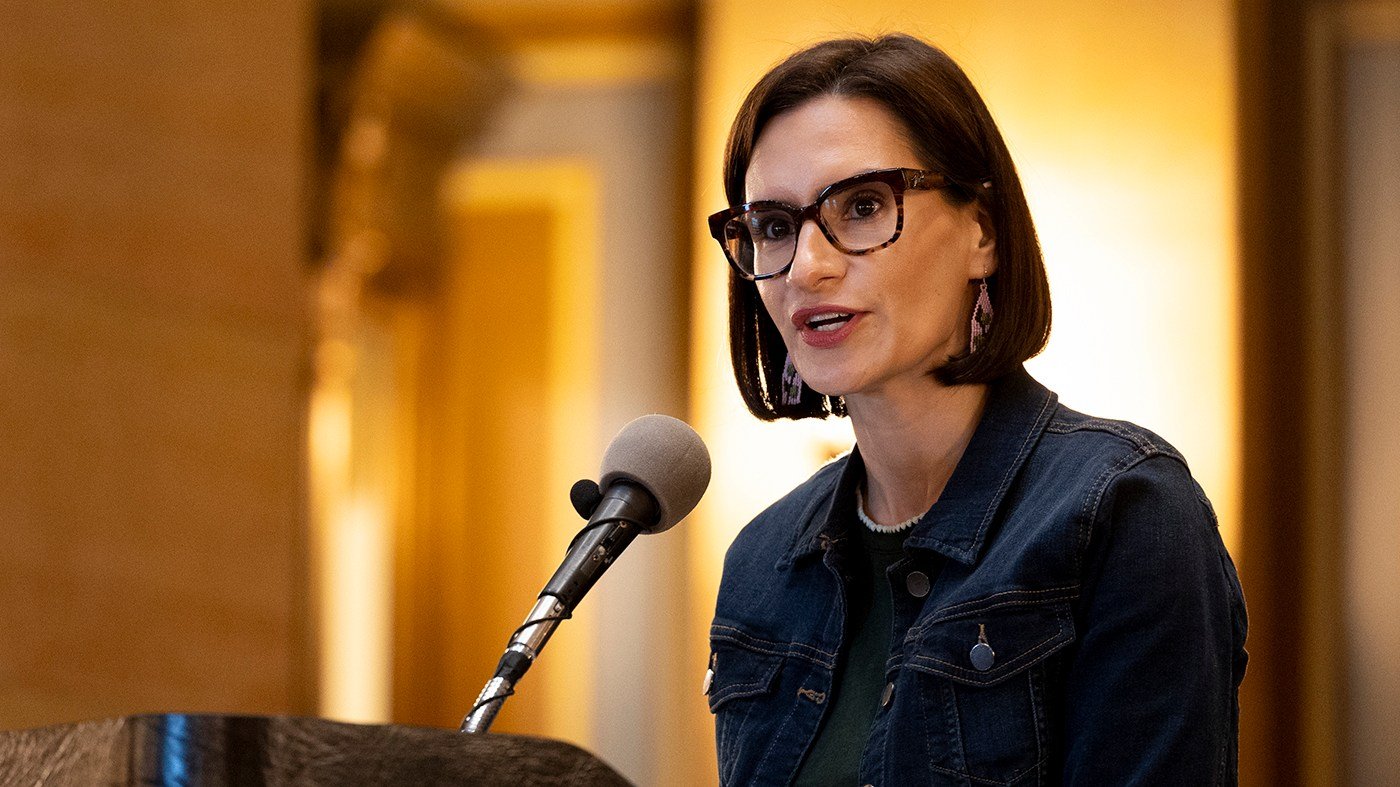
But last week, as Mangubat voluntarily left the DNC, several of her colleagues were laid off. The cuts come despite the fact that Democrats just won control of both chambers of Congress in the 2026 midterms—a victory many credit in part to the party's improved digital outreach.
DNC Chair Ken Martin has acknowledged the financial constraints: the committee carries millions in debt and trails the Republican National Committee in cash on hand. The layoffs, which were filed as a notice on Sept. 14, were likely planned as temporary positions from the start. But critics, including Mangubat and digital strategist Kaivan Shroff, argue that this approach is outdated.
"Digital communications is one area of modern politics where the work between elections is every bit as important as the work during them," Shroff wrote in an op-ed for The Bulwark, which was shared with The World Signal. Shroff, a former digital organizer on Hillary Clinton's 2016 campaign and a 2024 DNC delegate, added that "persuasion is a year-round endeavor."
Shroff points to the conservative media ecosystem as a model: it operates continuously, building audiences and credibility even when no election is imminent. Republican candidates benefit from that infrastructure without having to fund it themselves. Democrats, by contrast, have repeatedly dismantled their digital teams after elections, only to rebuild them at great expense when the next cycle approaches.
The DNC's digital success was driven by distribution, not just production. Staffers spent months or years cultivating relationships with creators and learning which content resonates. That institutional knowledge is hard to recover, Shroff argues, and the party risks losing it again.
There is also a fiscal argument for maintaining permanent digital capacity. Democrats spend heavily on television ads to reach voters they have made little effort to engage between elections. Maintaining an audience is cheaper than repeatedly paying to reach one from scratch.
Martin campaigned on breaking up the consultant-industrial complex, but The Bulwark reported earlier this year that his continued spending on consultants has drawn criticism from party officials. Shroff suggests that keeping in-house digital talent with a proven track record should be a higher priority than paying outside firms to reinvent the wheel.
As the party looks ahead to 2028, it will need to communicate the findings of congressional investigations, prosecute legislative fights, and make its case to voters who are not yet paying attention. The DNC is the permanent institution charged with that work. "The committee should protect year-round funding for its core digital content, rapid response and creator partnership teams," Shroff wrote, "expanding them in election years rather than repeatedly rebuilding them."