President Trump's approval of Russian diesel exports to the U.S. and global markets has ignited a bipartisan firestorm on Capitol Hill, with lawmakers from both parties accusing the administration of handing Vladimir Putin a financial lifeline as his war in Ukraine grinds on. The backlash comes at a particularly delicate moment for Republicans, who are bracing for a difficult midterm cycle.
The decision, which reverses earlier sanctions aimed at crippling Moscow's energy revenue, has drawn sharp rebukes from senior senators, including some within Trump's own party. Critics argue that easing restrictions on Russian fuel not only undermines Western unity but also contradicts the administration's stated goal of isolating Putin economically. The move has also fueled concerns that it could depress U.S. refinery margins and undercut American energy producers.
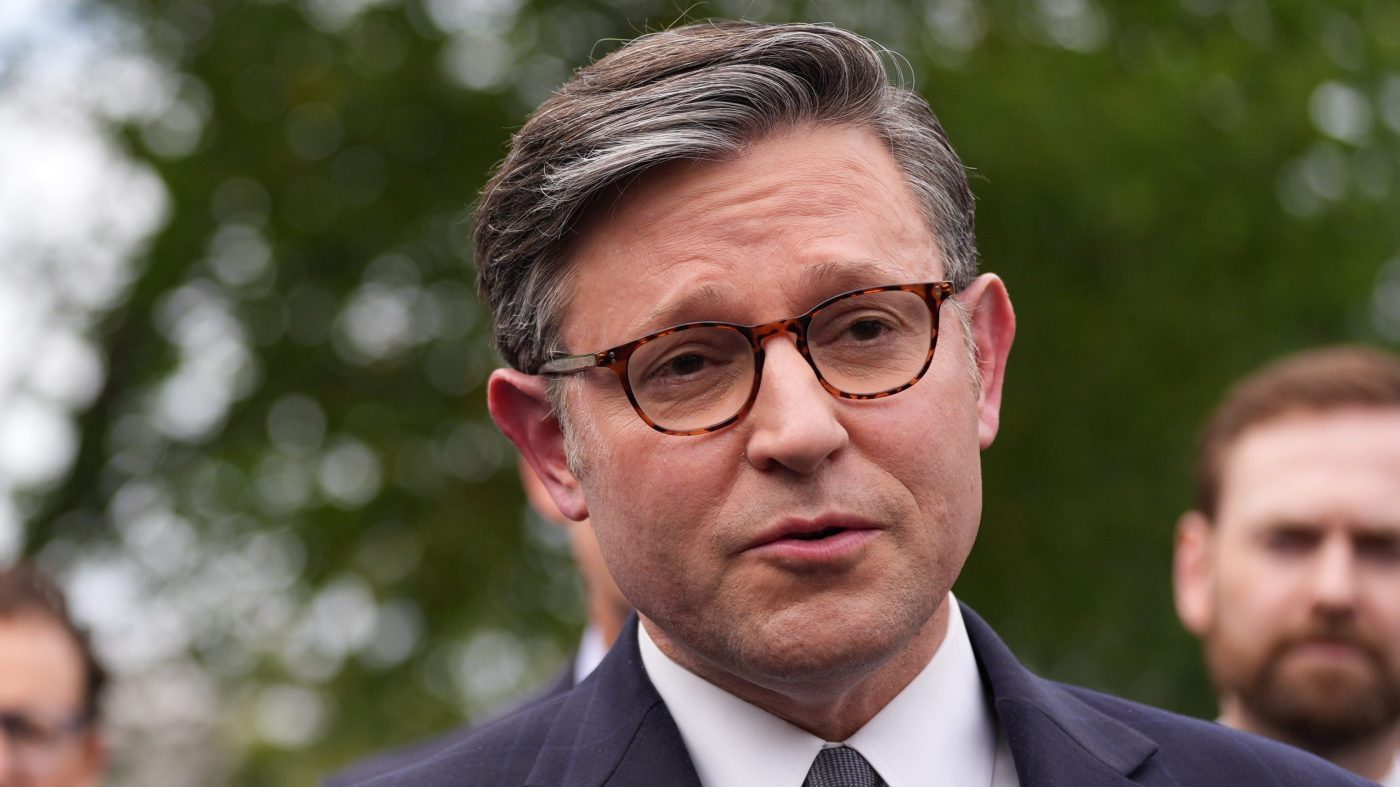
During a live discussion hosted by The Hill's editor in chief Ian Swanson, campaign reporter Caroline Vakil, and senior editor Colin Meyn, the panel dissected the political and strategic implications. They noted that the president has attempted to blame Ukraine for high fuel prices, a claim that has been met with skepticism from energy analysts and lawmakers alike. The panel also examined how the controversy is playing into the broader midterm narrative, with bipartisan fury over the deal threatening to alienate swing voters.
Adding to the administration's woes, the discussion turned to the precarious position of U.S. Ambassador to Greece Kimberly Guilfoyle, whose tenure is reportedly in jeopardy as Trump and Secretary of State Marco Rubio weigh her dismissal. The Guilfoyle controversy has become a distraction, drawing attention away from policy priorities and fueling internal friction.
Meanwhile, Defense Secretary Pete Hegseth's proposal to livestream a federal execution has sparked ethical and legal debates, further muddying the administration's message. The panel questioned whether such a move would set a dangerous precedent and whether it was a calculated political stunt ahead of the elections.
The midterm outlook for Republicans appears increasingly bleak, with internal divisions over issues like the Russian diesel deal and the administration's erratic foreign policy moves. A recent court ruling blocking Trump's taxpayer-funded ad campaign has added to the sense of disarray, as Democrats vow more legal challenges to administration actions.
Senator Thom Tillis (R-N.C.) has been particularly vocal, arguing that Trump's diesel deal undercuts the sanctions push led by Senator Lindsey Graham (R-S.C.). The intra-party rift highlights the broader tension between those who favor a hard line on Russia and those who prioritize economic pragmatism.
International reaction has been swift, with Ukraine's President Volodymyr Zelensky seeking clarity on Trump's claims of an energy ceasefire, which Moscow has not honored. Hours after Trump touted such a ceasefire, Russian forces bombed a power plant in Kharkiv, underscoring the fragility of any negotiated pause. The attack on Kharkiv has further eroded trust in the administration's diplomatic overtures.
As the live Q&A session unfolded, viewers submitted questions ranging from the legality of the diesel exports to the potential impact on U.S. energy independence. The panelists emphasized that the controversy is unlikely to subside, especially with midterm elections looming and voters increasingly focused on economic and national security issues.
The coming weeks will test whether the administration can navigate these crosscurrents or whether the Russian diesel deal becomes a defining liability for Republicans in November.