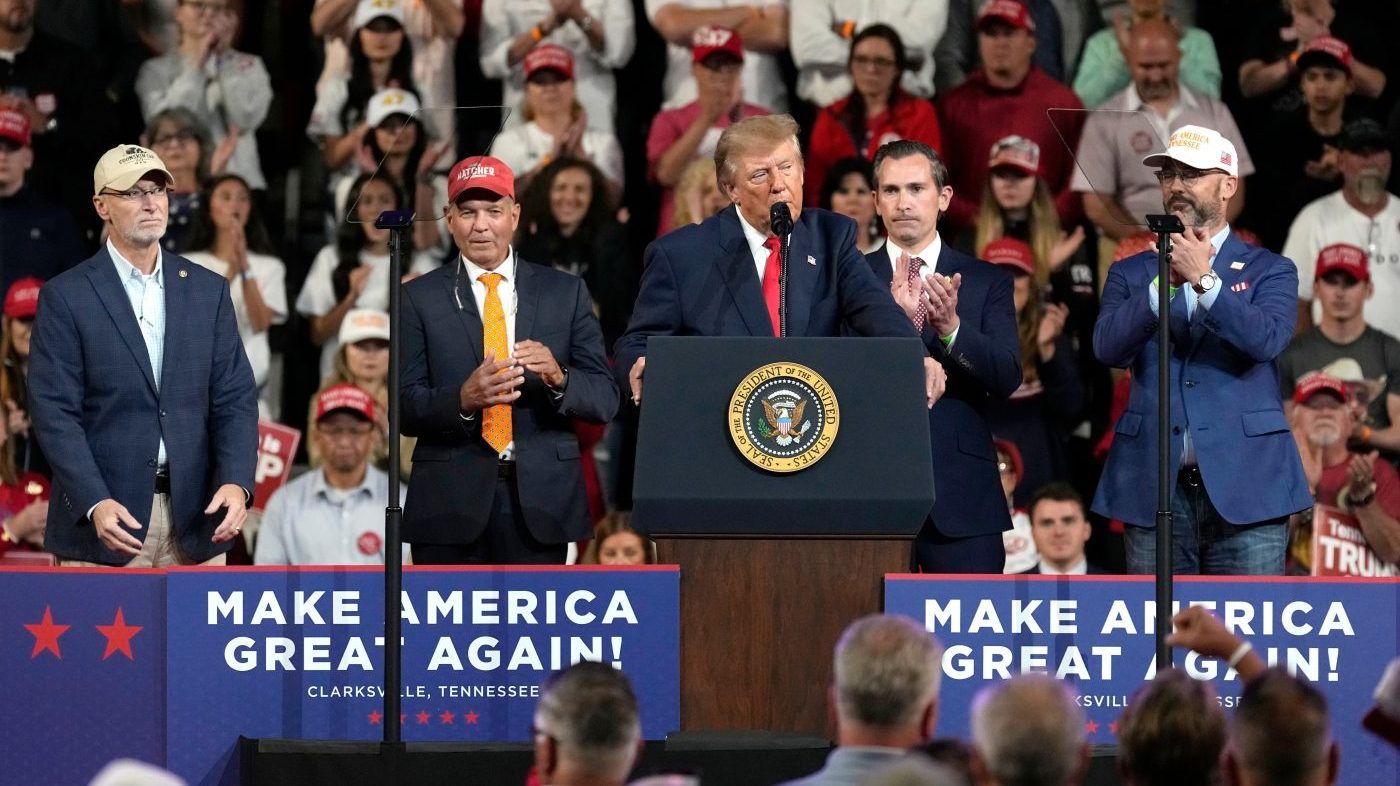
With the Florida midterms approaching, the political landscape is being reshaped by President Trump's immigration policies and the racial dynamics they have unleashed. While some critics accuse me of overemphasizing race, it's impossible to ignore the electoral impact of Trump's actions, especially among the state's sizable Latino population.
According to a recent NBC poll, Trump's approval among Latinos nationally has plummeted to 27 percent—a dramatic reversal from 2024, when he won the Latino vote in Florida and a majority of Latino men nationwide. This collapse is particularly significant in a state where Latinos make up roughly 20 percent of the electorate. The fallout is so severe that Republican incumbents are distancing themselves from the president. Rep. Maria Elvira Salazar (R-Fla.) launched an ad directly criticizing Trump's enforcement tactics, stating, "Mr. President, some of your immigration enforcement efforts have gone too far. The same Hispanics who helped you get to the White House in 2024 feel betrayed today."
Salazar's desperation reflects a broader trend. Even the former leader of "Latinos for Trump," a Cuban-born figure, faced deportation by ICE last year. The co-founder of "Latinas for Trump" similarly lamented, "This is not what we voted for. What we are witnessing are arbitrary measures to hunt down people who are complying with their immigration hearings." Across Florida, ICE raids have wrongfully targeted Latinos, including those without criminal records, sparking widespread fear. A recent NBC poll found that 66 percent of Latinos believe Trump's immigration enforcement has "gone too far."
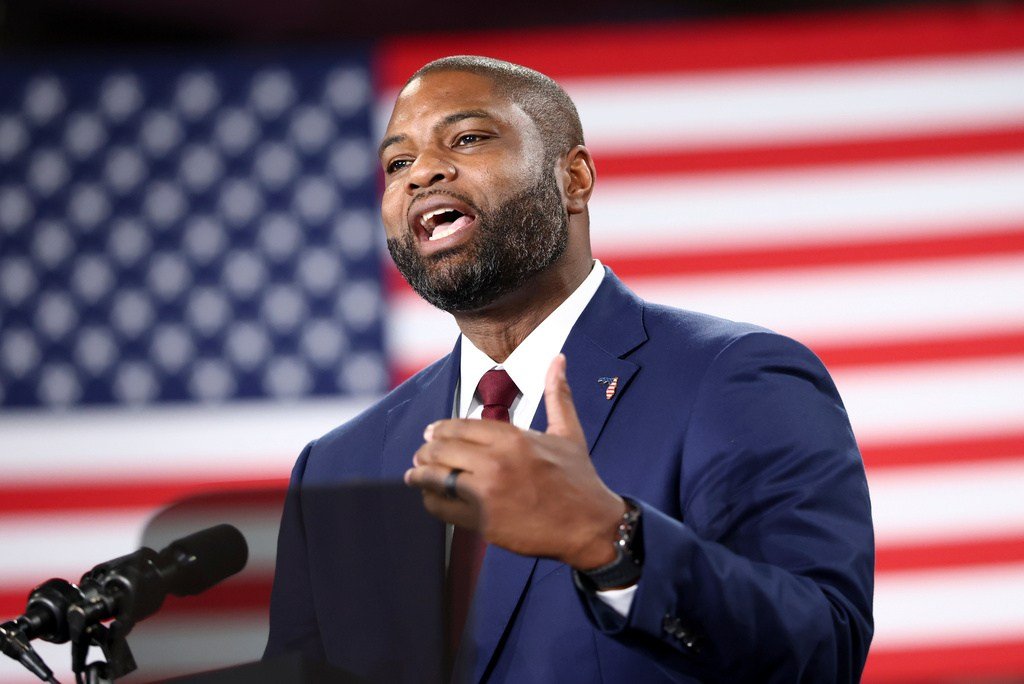
Florida's Republican leadership, including Governor Ron DeSantis and the state legislature, has largely endorsed these policies. The state's congressional delegation, including gubernatorial candidate Byron Donalds and Senate candidate Ashley Moody, has remained silent or supportive. Donalds, a Black Republican, has defended the ICE raids as part of his allegiance to Trump's MAGA agenda. However, his five years in Congress have yielded no major legislative achievements, and he notably voted against impeaching Trump for inciting the January 6 Capitol attack—an event that included a man waving a Confederate flag.
Ashley Moody, the former state attorney general running for Marco Rubio's Senate seat, has also been a steadfast Trump ally. She joined a lawsuit contesting the 2020 election results and still refuses to acknowledge Trump's loss. Her Democratic opponent, state Rep. Angie Nixon, a Black woman and member of the Democratic Socialists of America, has been vocal against Trump's immigration policies. Nixon has highlighted the ICE agents who grab Latinos based on their accents or skin color and has spoken out against deportations of Haitians, noting Florida's largest Haitian community. "They fled horrific violence and political instability to build lives here," she said. Nixon also supports impeaching Trump and his Cabinet, citing "impeachable offenses," and has not shied away from calling out Trump's racist rhetoric, including his smearing of Mexicans as "rapists."
Nixon also points to Trump's handling of Cuba, leaving the island without adequate oil or food, and his infamous Thanksgiving dinner with white supremacist Nick Fuentes at Mar-a-Lago. In the governor's race, Donalds faces Democrat David Jolly, a former Republican who broke with Trump early on, opposing his 2015 proposal to ban Muslims from entering the U.S.
Florida's demographics—about 50 percent non-Hispanic white, 30 percent Hispanic, and 15 percent Black—make it a critical testing ground. A surge in Latino support for Democrats could flip several of the state's 28 congressional districts, particularly in South Florida, which has the largest Hispanic population. This trend is mirrored in Texas, where a Latina Democrat is running a tight race against the incumbent governor.
National Democrats are being urged to invest in Florida, as a successful turnout among Latino voters could open new paths to the presidency in 2028. The state, which voted for Barack Obama twice, is now a bellwether for changing racial attitudes. While not everything is about race, this year's midterms in Florida are undeniably about the fallout from Trump's racial politics.