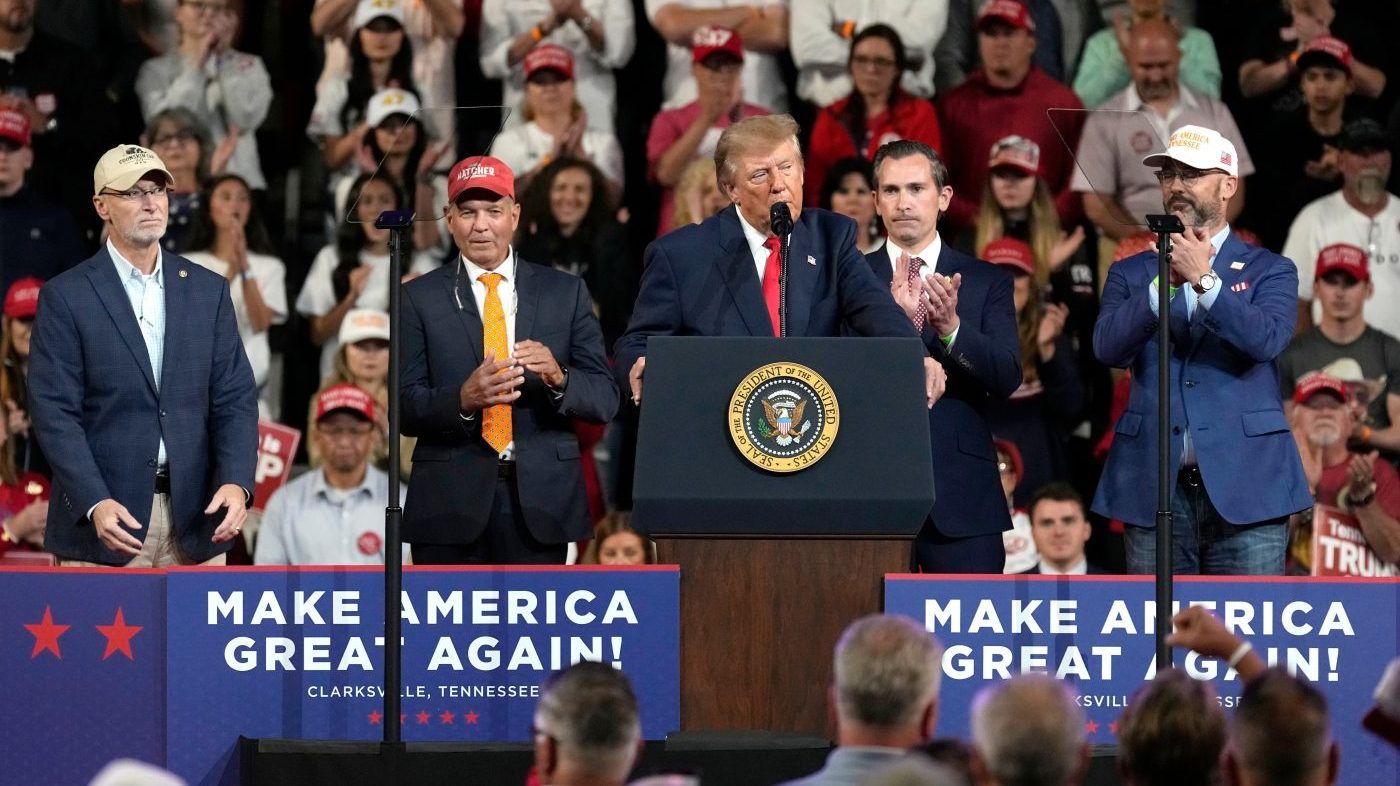
President Trump over the weekend floated the idea of renaming the Atlantic or Pacific Ocean, extending his recent pattern of rebranding major geographical features. Speaking at a rally in Tennessee on Saturday, Trump said he was “thinking of” new names for one of the two oceans, suggesting “Trump Ocean” or “Ocean of the America” as possibilities.
“So, we need a river, we need an ocean. So, I was thinking of either the Atlantic or the Pacific,” Trump told the crowd. “We call it ‘Trump Ocean’ or ‘Ocean of the America,’ something like that.”
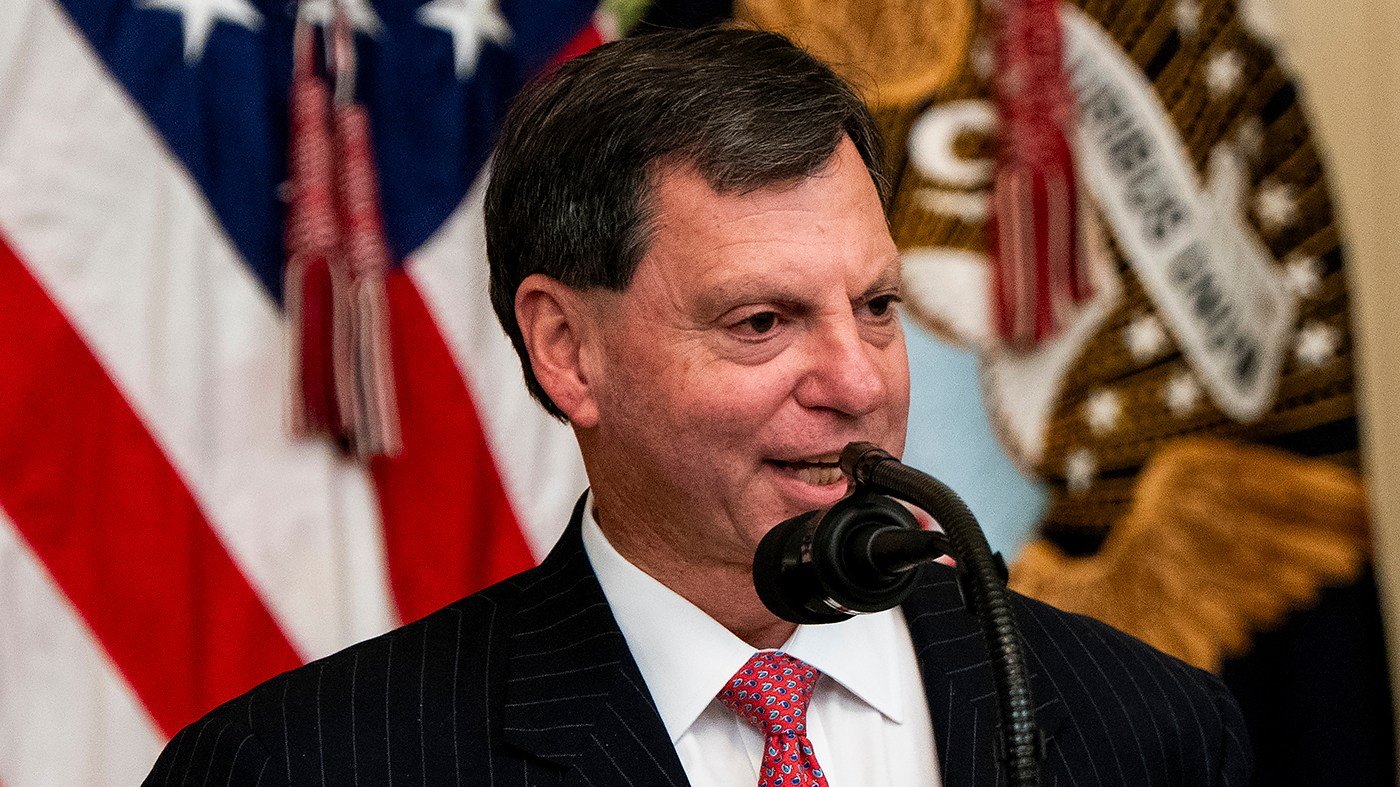
The president’s comments come after he signed an executive order in late August that formally changed the name of Lake Ontario to “Lake America,” a move that drew sharp criticism from Canadian officials. At the time, Trump told reporters, “We’re going to be changing the name of Lake Ontario effective immediately to Lake America,” citing trade tensions with Canada.
Canadian Prime Minister Mark Carney pushed back on the lake renaming, highlighting the name’s Indigenous origins. In a post on X, Carney wrote, “The name Lake Ontario comes from the Wendat word Ontari’io, which, appropriately, means ‘the lake is beautiful, the lake is big.’”
Last year, Trump also signed an executive order renaming the Gulf of Mexico as the “Gulf of America,” a decision that sparked diplomatic friction with Mexico and drew mixed reactions domestically. The latest ocean renaming proposal, however, has not yet been formalized through an executive order or any official government action.
Political analysts note that Trump’s geographical rebranding efforts appear aimed at appealing to nationalist sentiment among his base, particularly as he seeks to maintain influence ahead of upcoming midterm elections. The moves have also become a flashpoint in international relations, with Canada and Mexico expressing displeasure over what they see as unilateral actions disregarding shared history and international naming conventions.
The president’s suggestion to rename an ocean would likely face significant legal and logistical hurdles, as international waters are governed by treaties and customary law, and naming conventions for oceans are typically established through international bodies. However, Trump has shown a willingness to use executive orders to push symbolic changes, as seen with the Gulf of Mexico and Lake Ontario.
Critics argue that the renaming efforts distract from more pressing policy issues, while supporters see them as a way to assert American pride. The White House has not yet released details on any formal proposal for the Atlantic or Pacific, but Trump’s remarks have already generated widespread discussion on social media and among political commentators.
As the president continues to test the limits of executive authority on naming, international reactions and domestic legal challenges may shape whether these symbolic changes gain lasting traction.