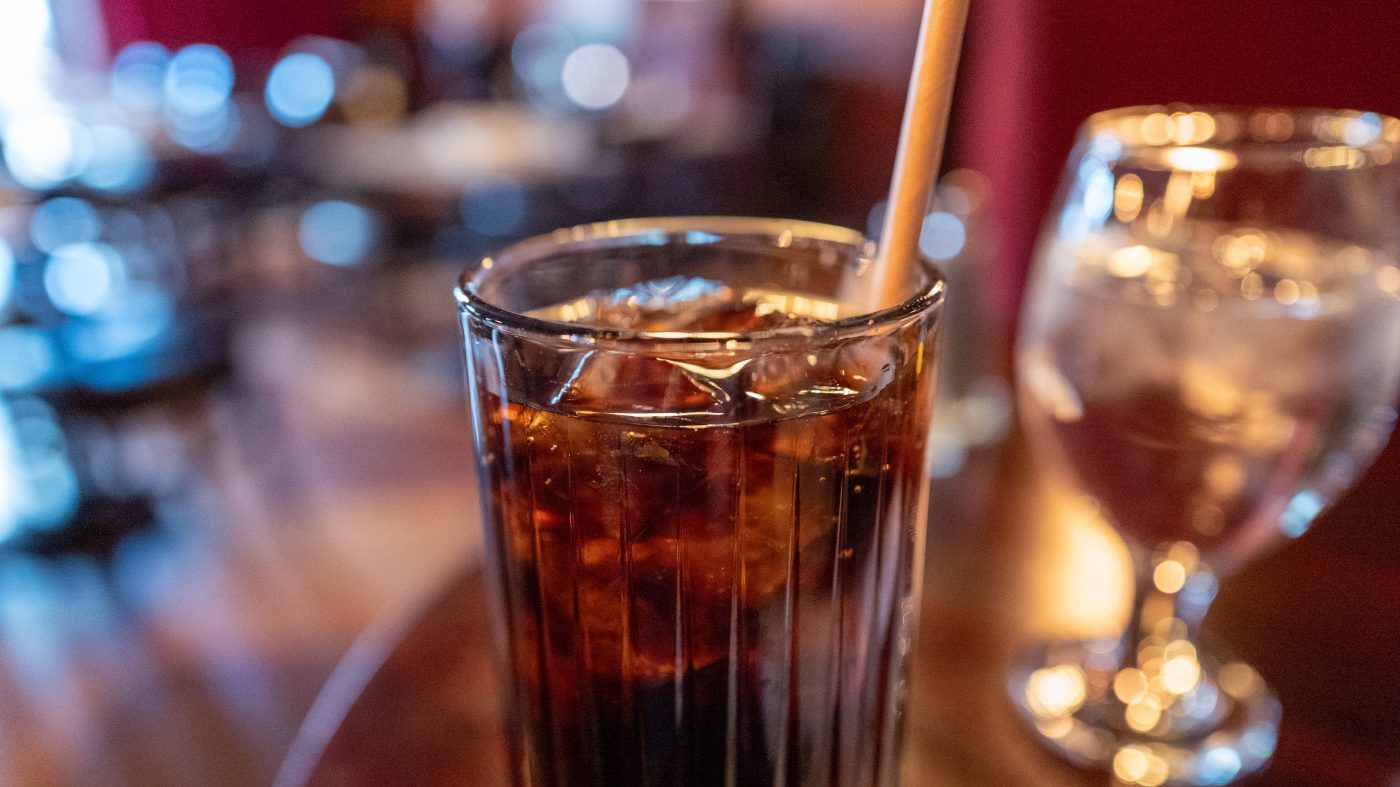
A long-running study from the University of Liverpool has found that overweight and obese adults who drank diet sodas lost roughly the same amount of weight as those who consumed only water, a result that challenges long-held concerns about artificial sweeteners.
The research, published in the British Journal of Nutrition, tracked nearly 500 British adults over two years. Participants were randomly assigned to drink either water or a daily set amount of nonnutritive sweetened soft drinks—those containing aspartame, acesulfame-K, or sucralose. Both groups showed similar improvements in waist circumference, body composition, and other metabolic measures, and both cut their overall sugar intake.
“These latest findings show that concerns about sweeteners disrupting appetite or causing weight gain are not supported when tested in a rigorous, long-term randomized trial,” said Prof. Joanne Harrold, one of the researchers, in a statement.
The study was funded by the American Beverage Association, though the researchers said their work was conducted independently. The results could be seen as a win for diet soda manufacturers, who have faced persistent skepticism from health professionals about the effects of artificially sweetened beverages.
Historically, many diet sodas contain caffeine, which is a diuretic, though generally not in amounts that would automatically cause dehydration. Studies have also suggested a potential link between artificial sweeteners and certain health conditions, but this trial found no evidence that they hinder weight loss or maintenance.
The findings add to a mixed body of research on diet drinks. Some earlier observational studies have tied them to weight gain and metabolic issues, but randomized controlled trials like this one provide stronger causal evidence. The Liverpool team noted that both water and diet drinks can be effective alternatives to sugary beverages when trying to manage weight.
For consumers, the practical takeaway is that choosing a diet soda over a sugary drink may not derail weight-loss efforts, as long as overall calorie intake is controlled. However, health experts still caution that water remains the healthiest choice for hydration, and that diet sodas should not be seen as a free pass.
The debate over artificial sweeteners is unlikely to end with this study. Future research will need to examine long-term health outcomes beyond weight, including potential impacts on gut health and chronic disease risk.