The Trump administration on Wednesday signaled it will move to relax federal limits on methane emissions from oil and gas operations, a step that could significantly weaken climate and air-quality protections put in place under the Biden administration.
The Environmental Protection Agency said in a statement that it will soon propose changes to the existing methane rules, though it did not release a detailed draft. The agency indicated it plans to scrap a requirement that energy companies respond to credible third-party reports of major methane leaks, and to revisit regulations covering so-called "marginal" wells—low-producing, high-emitting sites that account for a small share of output but a disproportionate amount of methane pollution.
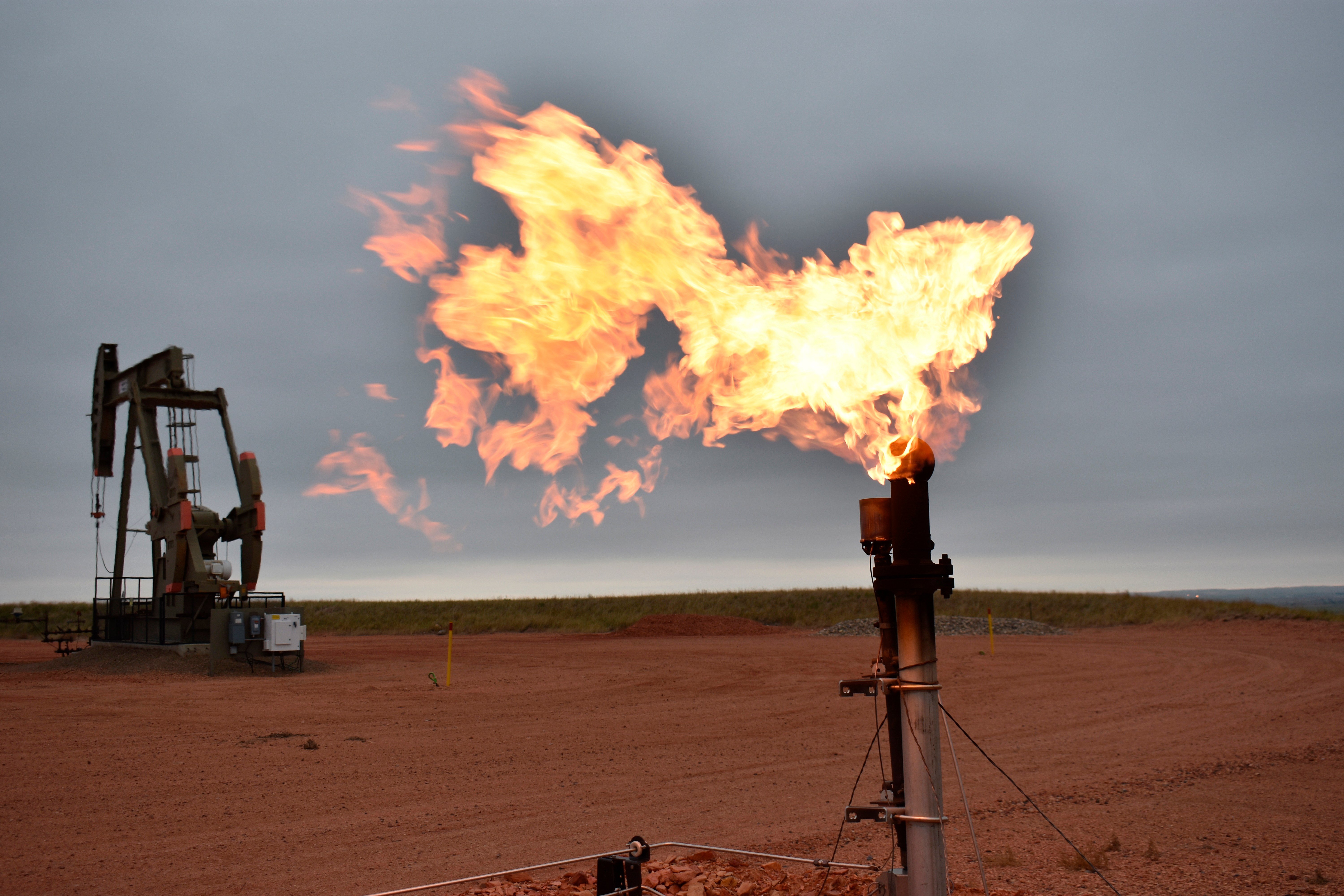
According to a ProPublica investigation last month, based on a draft under White House review, the administration is expected to drastically reduce the frequency of leak inspections and equipment upgrade mandates at these marginal wells. The wells produce roughly 7 percent of the nation's oil and gas but contribute about half of its methane emissions, making them a prime target for environmental advocates.
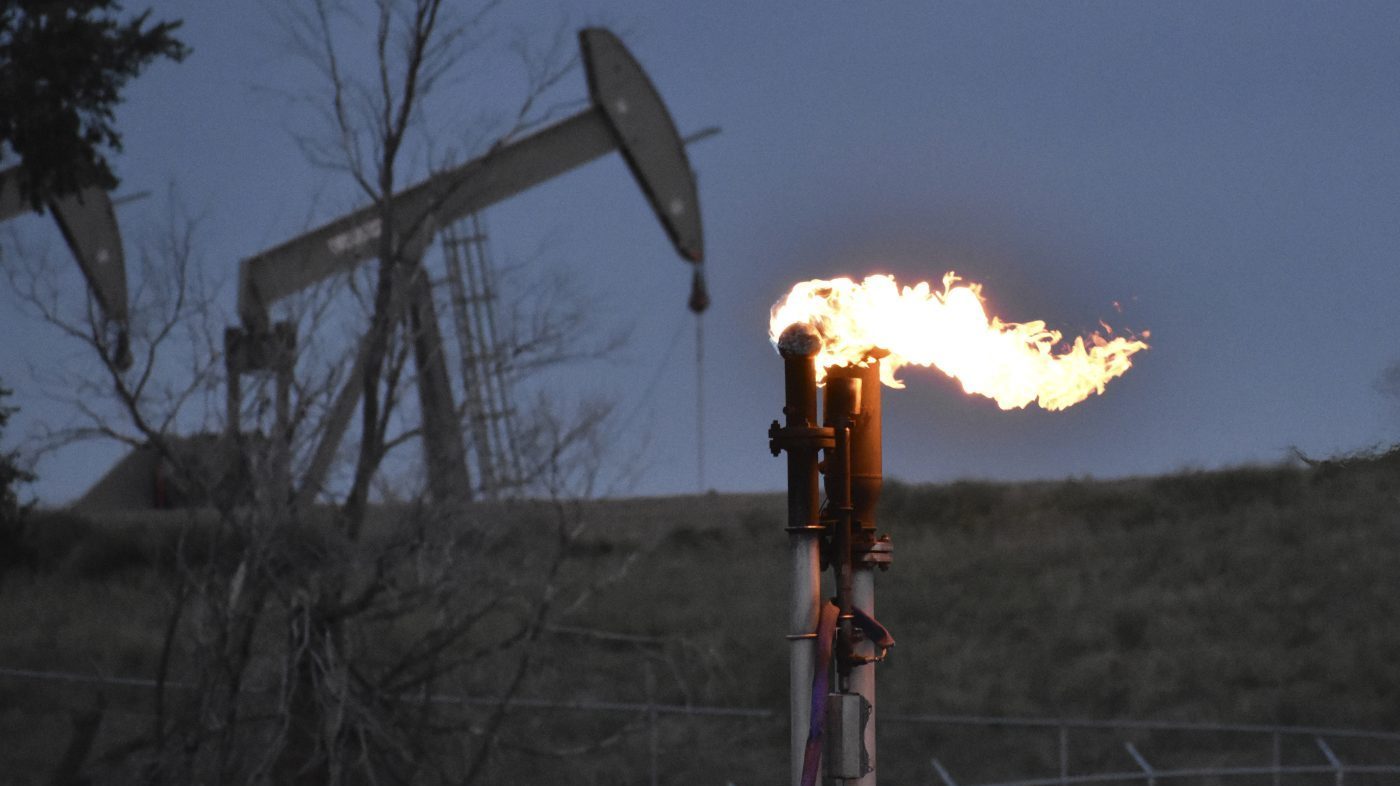
The EPA also said it would "revisit" its approach to flaring—the burning off of excess natural gas extracted alongside oil. The Biden administration had sought to phase out flaring at new wells, but the agency now says it wants to ensure "compliance possible all over the country and ensure a reasonable approach." It did not specify what regulatory changes it has in mind.
The agency claimed these adjustments could save the industry an estimated $45 billion. Critics, however, argue the move will worsen methane emissions, a potent greenhouse gas, and undercut efforts to address climate change.
The announcement comes as the administration continues to roll back environmental regulations across sectors, including recent actions on power plant emissions and vehicle fuel standards. It also aligns with broader efforts to boost domestic fossil fuel production, a key priority for President Trump and his allies in Congress.
Environmental groups and Democratic lawmakers are expected to challenge the proposal in court, arguing that the EPA is disregarding its legal obligation to regulate methane under the Clean Air Act. The agency has not yet set a timeline for formal rulemaking or public comment.
For now, the oil and gas industry is likely to welcome the relaxed oversight, which could lower compliance costs and make it easier to operate marginal wells that might otherwise be shut down. But the long-term impact on emissions and public health remains a contentious issue as the administration pushes forward with its deregulatory agenda.