A new exclusive NewsNation/Decision Desk HQ (DDHQ) poll released Tuesday reveals a striking disconnect between voters and their elected representatives: 86% of respondents believe their current member of Congress or senator cannot accurately estimate what they spend in a typical month. Among those, 55% think lawmakers would guess too low, while 31% expect them to guess too high. Only 14% trust their representatives to understand their monthly outlays.
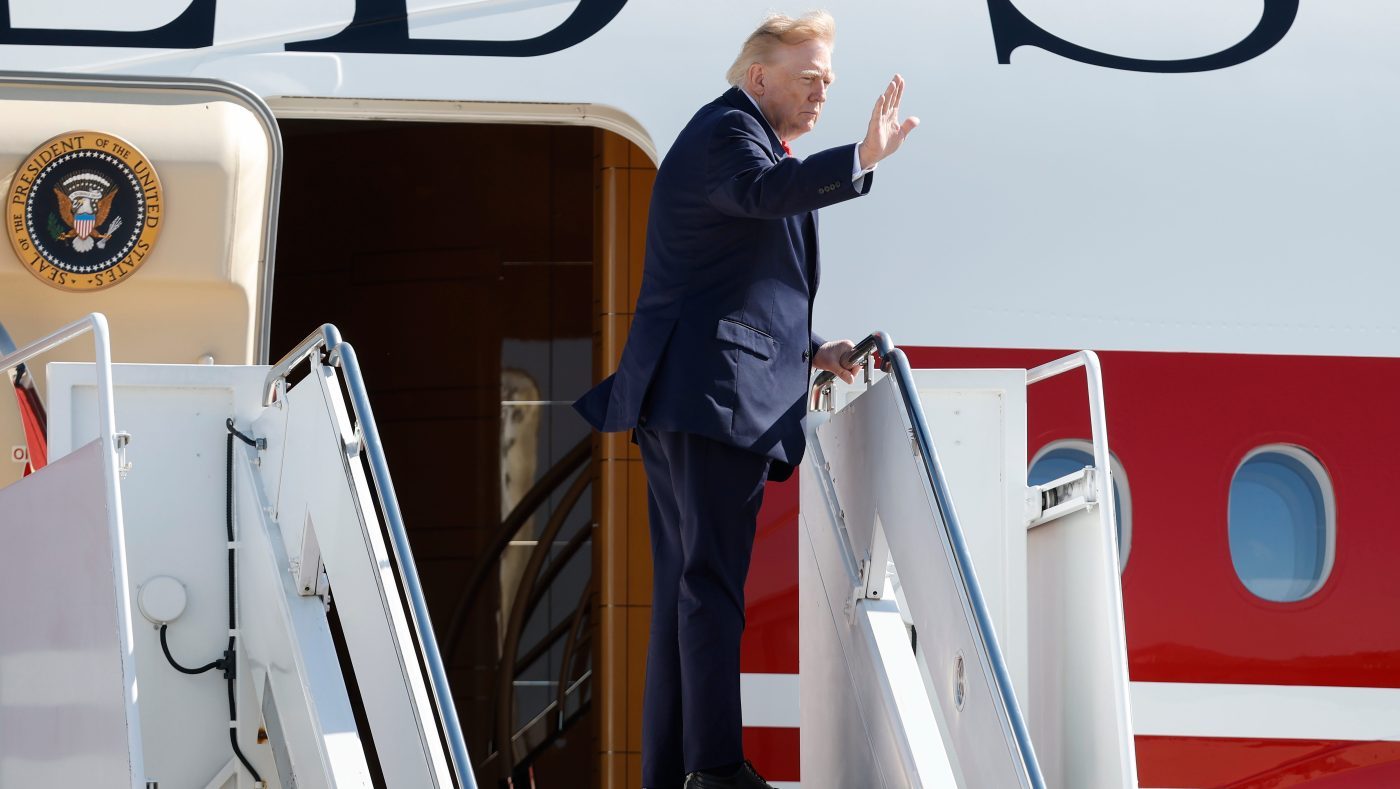
The findings underscore a core challenge for Republicans, who control both the White House and Congress and are trying to sell voters on their handling of the economy ahead of the midterm elections. Despite repeated promises from President Trump to tame inflation and ease cost-of-living pressures, many Americans remain skeptical that Washington grasps their day-to-day financial realities.
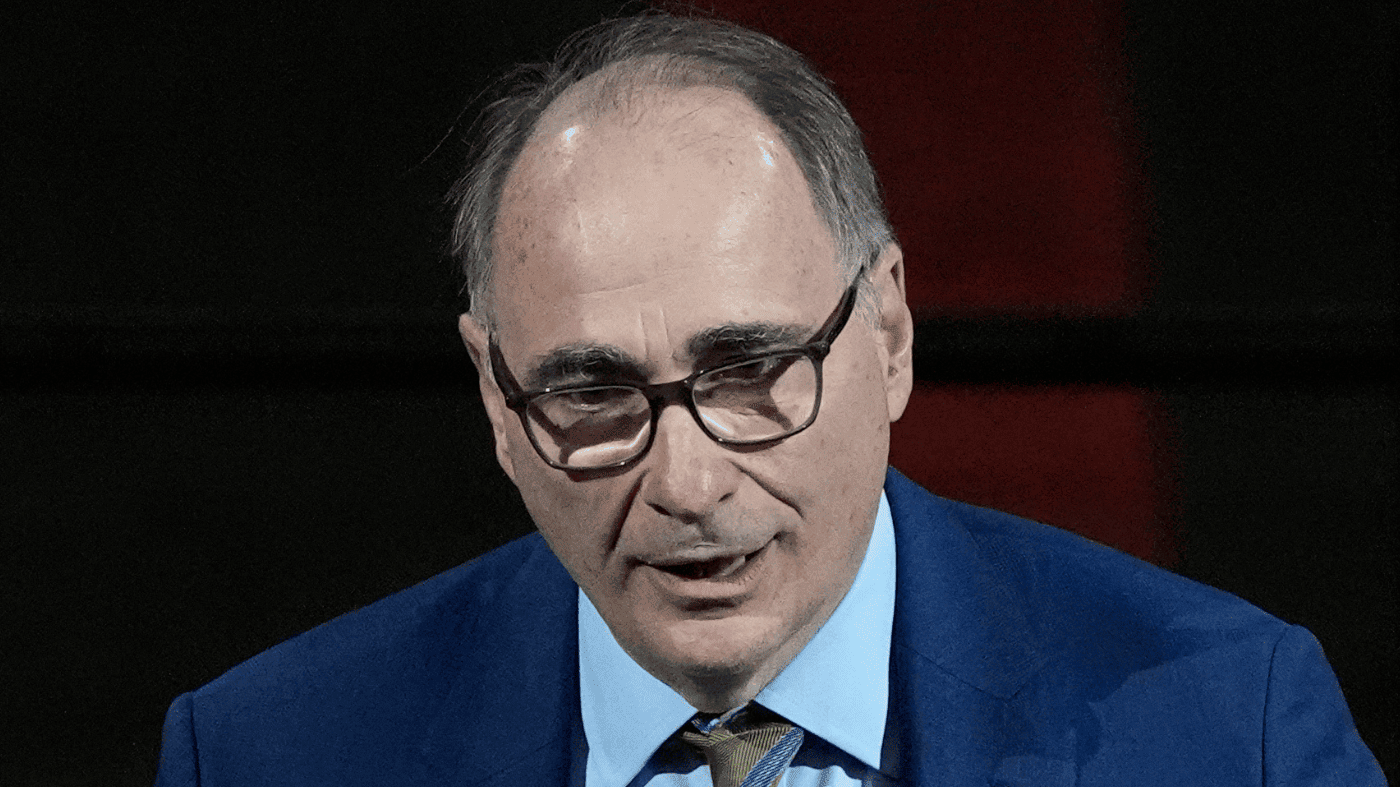
“When you ask [people] how they’re feeling about the economy, they don’t feel like things are getting better,” said Geoffrey Skelley, DDHQ’s chief elections analyst. “They feel like things are getting worse, and considering [President] Trump was elected … in large part, to address economic challenges, I think that is also not helping the GOP.”
The poll’s full results will be discussed Tuesday night on “Decision Desk 2026 Have Your Say: A NewsNation Town Hall” hosted by Chris Cuomo, featuring former White House chief of staff Rahm Emanuel, broadcaster Stephen A. Smith, and former Trump strategist Steve Bannon.
Trump campaigned on lowering prices after inflation hit a 40-year high in 2022, but the consumer price index has actually risen from 3% in January 2025 to 3.4% by August. Geopolitical tensions, including the Iran war and ongoing tariff disputes with Canada, along with the artificial intelligence build-out, have kept upward pressure on costs. Skelley noted that “the main thing you’re engaged with politically is the fact that my gas price is over $4 now at the gas pump”—a frustration that historically falls on the party in power.
Despite persistent inflation, consumer spending remains robust. According to the Bank of America Institute’s monthly survey, household credit and debit card spending rose 6.2% in September, with lower-income households and the top 5% of earners both seeing strong growth. However, spending outpaced wage gains—lower-income wage growth slipped from 4.7% in August to 4.5% in September—a trend that could exacerbate financial strain.
Trump has attempted to counter voter anxiety with a mix of policy moves and campaign promises. He has touted a plan to send every American adult a $5,000 dividend if Republicans keep control of Congress, funded by tariff revenue. He also announced an oil deal with Venezuela, a diesel supply arrangement with Russia, and reduced beef tariffs from Argentina and Brazil. The Treasury has begun issuing $500 checks to nearly 1 million Americans overcharged for marketplace health insurance, and Medicare recipients are receiving an extra $90 this month for Part B premiums.
Yet GOP strategist Ron Bonjean expressed doubt that these efforts have broken through. “They have to be perceived by voters as being real and tangible, that these will likely happen,” he said. “It doesn’t feel like it’s penetrated yet to that level.”
The political stakes are high. The NewsNation/DDHQ survey gives Democrats a 49% to 42% lead on a generic congressional ballot, within the margin of error, and more than half of respondents say they are voting to oppose Trump and his policies. With control of both chambers up for grabs, the president’s party faces an uphill battle if voters continue to see Washington as out of touch with their pocketbooks.