When a lawsuit lands, institutions almost always respond with the same mantra: we take this extremely seriously. But the documents that follow often tell a different story—one of prior complaints, documented warnings, and investigations that satisfied procedural checklists without ever confronting the hard questions. The decisions, too often, seem designed to protect the institution rather than the survivor.
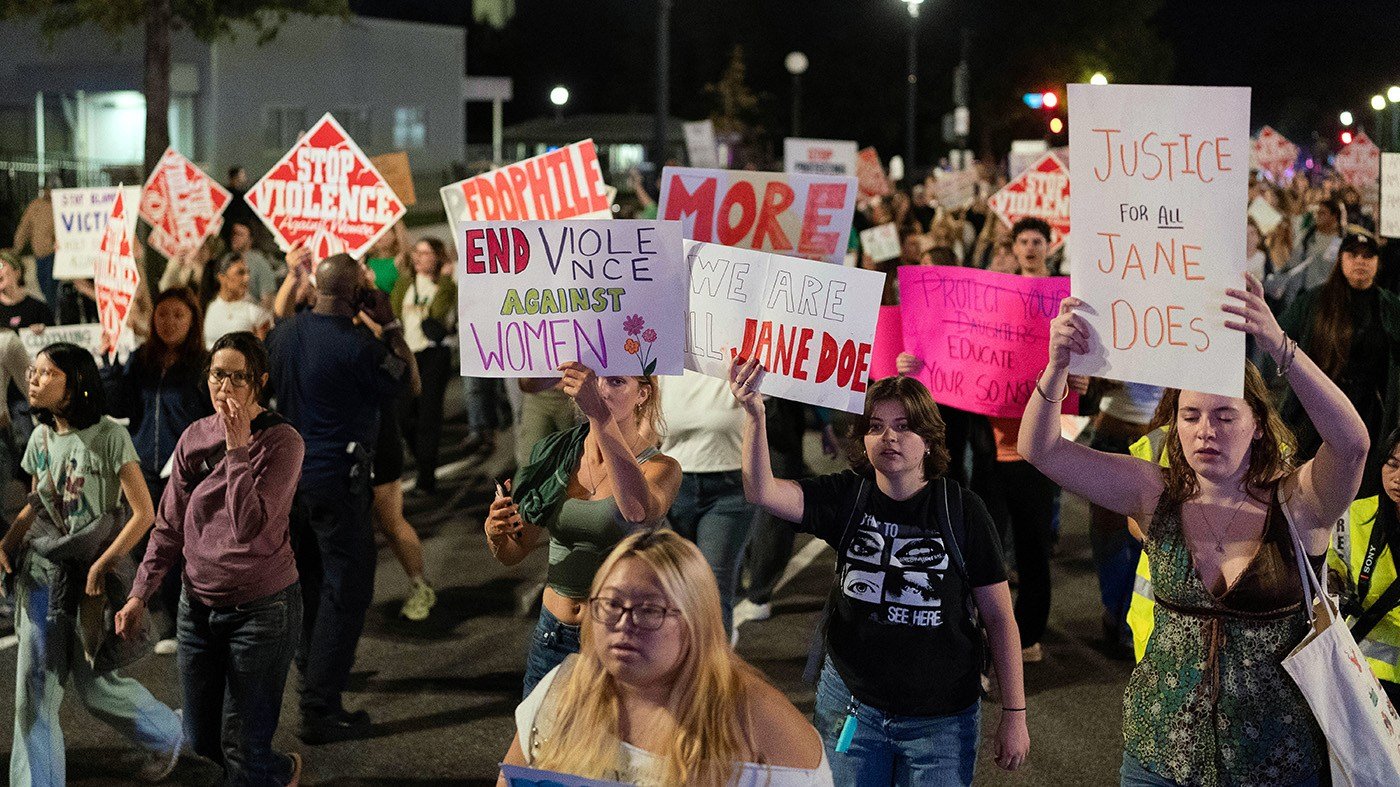
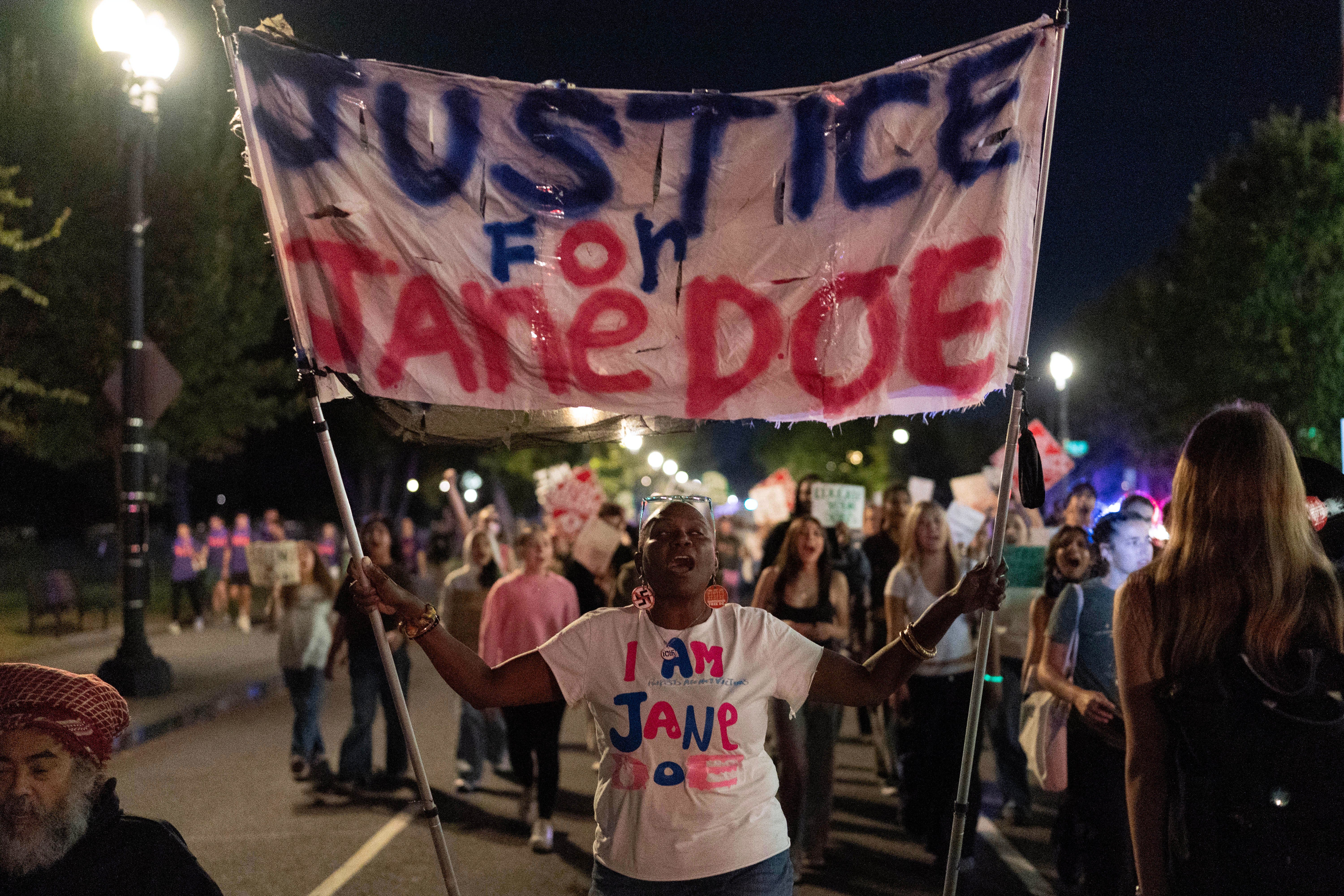
The case now unfolding at Cornell University illustrates this dynamic with uncomfortable clarity. In 2024, a student reported to campus police that she had been sexually assaulted by seven members of the Chi Phi fraternity. The district attorney declined to prosecute, citing her sworn statement that did not explicitly allege lack of consent or drugging. But the DA also admitted his office never received the transcript of her interview with campus police before making that call, and prosecutors conducted no independent investigation. The decision rested entirely on the university's own police work, and Ithaca police were never notified.
No one is accusing Cornell of a deliberate cover-up. But the structural problem is undeniable: an institution investigating allegations that could expose its own failures is not a neutral arbiter. For nearly two years, the case stalled—until the student filed a lawsuit. Within days, the DA reopened the criminal investigation and pledged to take the case to a grand jury. Cornell agreed to an independent review after Governor Kathy Hochul called for outside scrutiny, and then appointed Attorney General Letitia James as special prosecutor.
The accused deserve due process, and a grand jury will determine what can be proven. But the timeline raises a troubling question: why did it take litigation to prompt a second look? As Cornell's president conceded errors in the case, the university has also banned fraternity parties and added investigators—steps that came only after public pressure.
This pattern is not unique to Cornell. Universities, hospitals, churches, and corporations all have reputations, donors, and shareholders to protect. Self-preservation does not require a conspiracy; it can simply mean processing a complaint, involving lawyers, disciplining someone quietly, and issuing a statement that the matter was taken seriously. The file closes, and the institution moves on.
But the survivor cannot move on. They relive the worst night of their life for police, administrators, and investigators, then wait for a decision. When the file returns closed, they are expected to accept it. If they don't, they must hire a lawyer, file a lawsuit, and tell the story again—publicly, while strangers question their motives and memory. Some will call it a cash grab, ignoring the therapy, medical bills, lost work, and derailed education that follow. A settlement is not a payday when you're the one left paying for someone else's harm.
These lawsuits are about accountability, not just money. They force institutions to prove their claims of seriousness. As a trial lawyer, I know what happens next: I ask for the investigation, the policy, the evidence that anyone followed it. I ask who complained before and what was done. I subpoena emails, texts, and disciplinary records. I put decision-makers under oath and ask questions that may never have been asked before.
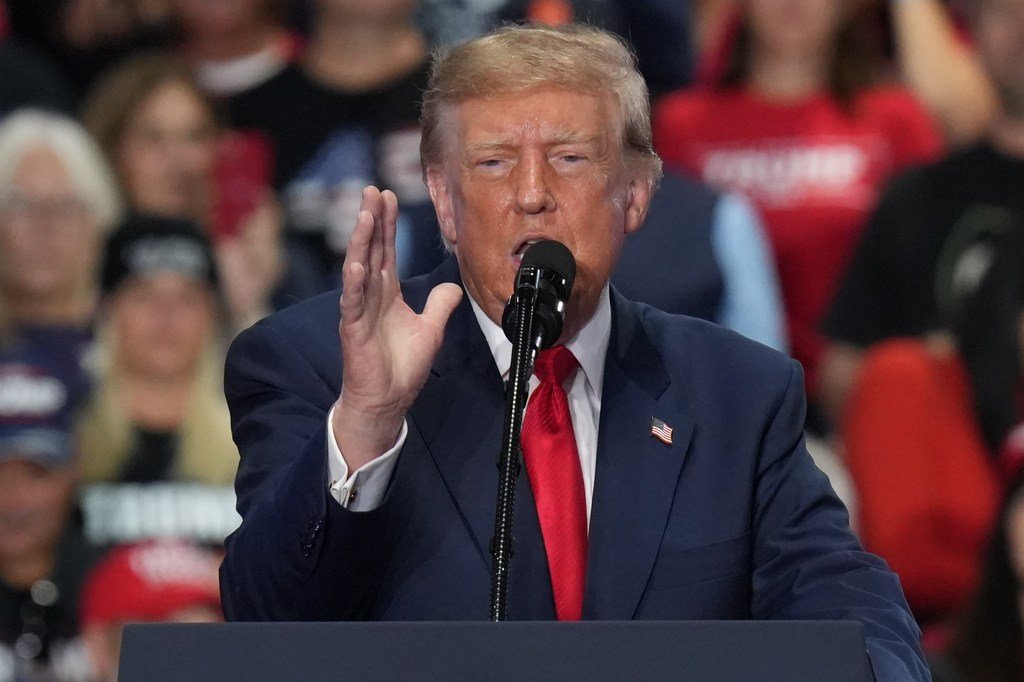
The Cornell case also raises concerns about the special prosecutor herself. Questions have been raised about bias in Attorney General James's probe, amid attacks from former President Trump. But the core issue remains: when the people with the most to lose from an investigation are the ones conducting it, the system is flawed. Cornell shows where that can lead—and why a lawsuit sometimes is the only way to force a real investigation.