President Trump is questioning whether the seven Cornell University students accused in a gang rape case can get a fair investigation under New York Attorney General Letitia James, a longtime political foe. His remarks have intensified scrutiny of James's appointment to lead the probe, with at least two of the accused joining in the criticism.
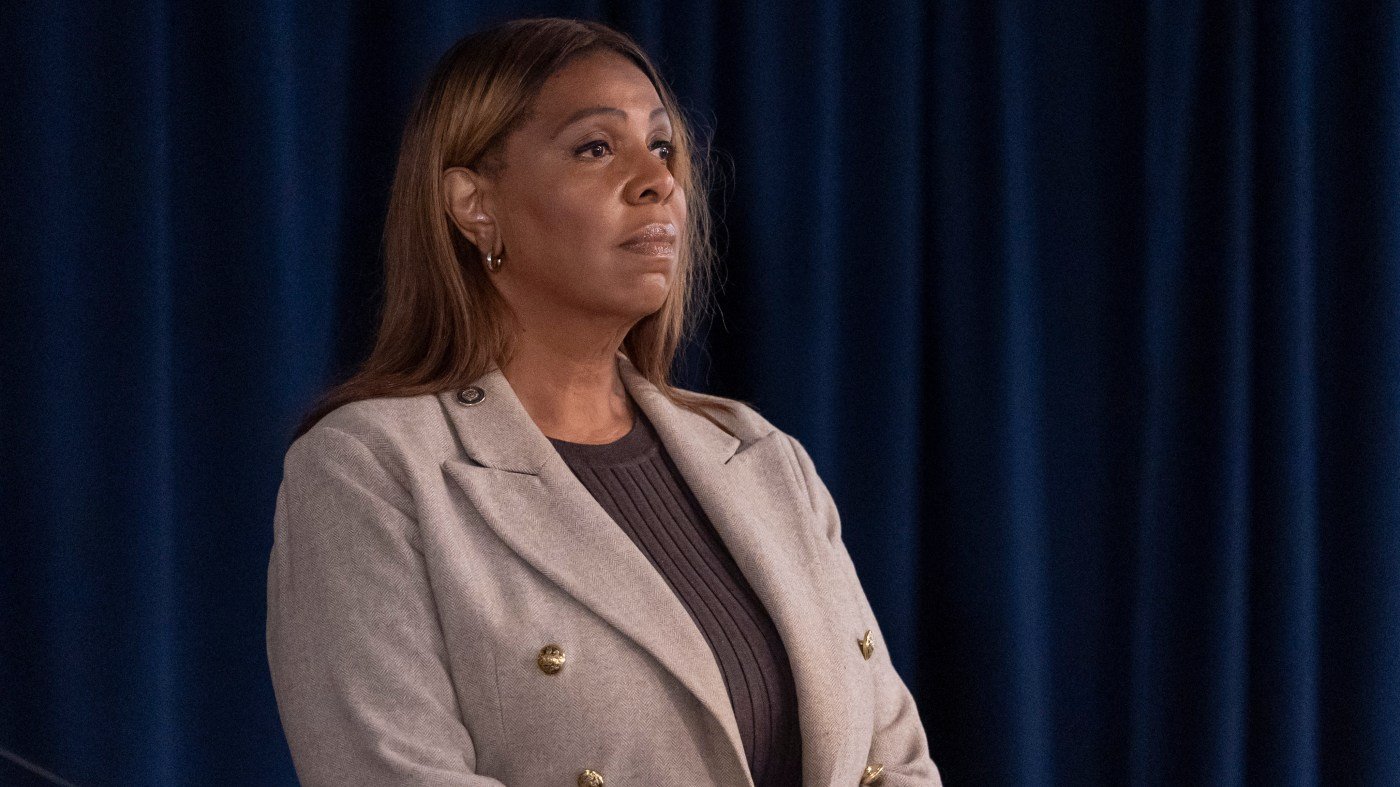
James was tapped by Governor Kathy Hochul to investigate the 2024 incident, which involves allegations that members of the Chi Phi fraternity drugged and sexually assaulted a fellow student, identified in court filings as Jane Doe. Days before her appointment, James posted on social media expressing support for Doe, writing, "What this young woman has been forced to endure is horrific and unacceptable... We stand with you."
That post has become a flashpoint. Two of the accused, Gillio Lopes and Winston Lee, have filed separate court petitions arguing that James's public statements demonstrate she cannot lead an impartial inquiry. The National Legal and Policy Center has also lodged an ethics complaint, alleging the post shows "clear bias on a highly publicized case."
Legal experts, however, are skeptical that such comments meet the legal threshold for removal. Barbara McQuade, a former U.S. attorney and current law professor at the University of Michigan, noted that James had not yet been appointed when she made the remarks, so ethics rules may not apply retroactively. "At the time of her comments, James had not yet been appointed to handle the criminal investigation," McQuade said.
James has defended her statement as an expression of empathy, which she says is needed in public life. At a recent event, she stated, "The governor... assigned me to analyze this case and to judge it and to do it without bias... Politics stops at the door in my office." Her office reiterated that commitment, saying the investigation will be based solely on "the facts, the evidence, and the law."
Trump, who has a long history of clashes with James—including her successful fraud lawsuit against him and his administration's countersuit—told reporters outside the White House, "Letitia James is a corrupt person... I feel bad for whoever she's looking at, because they won't get a fair shake." His comments drew rebuke from victims' rights attorney Shari Karney, who said Trump was "voicing support for the seven alleged rapists" without knowing the facts.
Robert Wilcox, a law professor at the University of South Carolina, dismissed Trump's remarks as "political noise" unlikely to affect the case. He explained that removing a prosecutor requires showing a "substantial likelihood" of prejudice affecting the outcome, a high bar. Defense attorneys could appeal based on bias claims, but Wilcox said such appeals are rarely successful.
The case has also raised questions about James's political motivations. With reelection looming next month, some observers suggest her public posture may be calculated. Carissa Byrne Hessick, a law professor at UNC-Chapel Hill, noted that defendants in high-profile cases often worry that prosecutors will use them to advance their careers. "James was thinking about her public persona," Hessick said, "and that can worry potential defendants."
Jane Doe's allegations are stark: she claims she was given alcohol and drugs before being assaulted multiple times at the frat house. A screenshot from an alleged Snapchat group shows one member referring to "free p---" upstairs the night of the incident. The local district attorney declined to press charges based on information from Cornell police, but the case has drawn national attention, and the defense has already moved to gag Jane Doe's attorney.
As the political and legal battles intertwine, the controversy echoes broader tensions in the midterm campaign, where Trump's inner circle scandals and his return to the rally trail are dominating headlines. But for the Cornell defendants, the immediate question remains whether James can set aside her public sympathies and deliver the impartial justice the law demands.