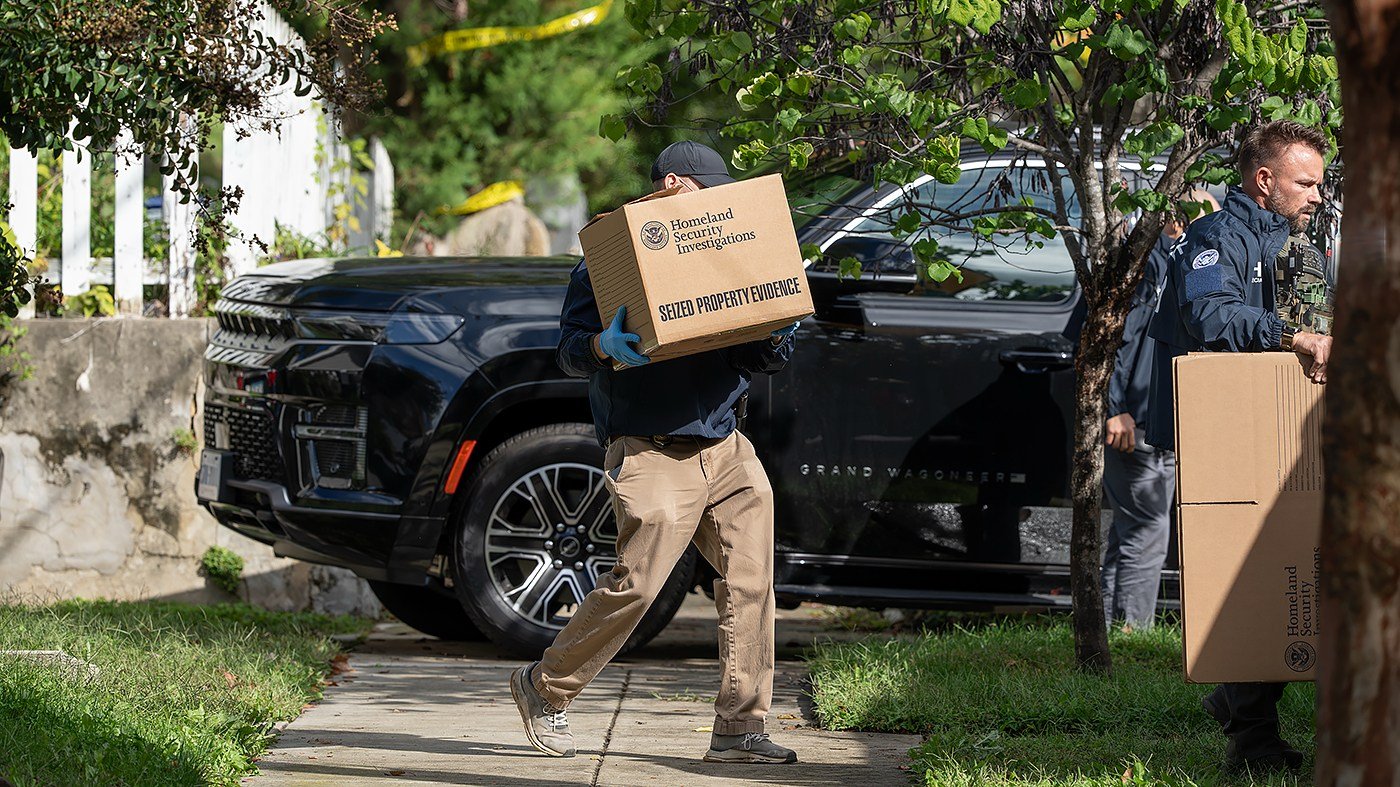
Federal agents executed a search warrant at the Washington-area residence of Rep. Ilhan Omar (D-Minn.) on Monday, igniting an immediate political clash. Democrats accused the Trump administration of weaponizing federal law enforcement against a prominent critic, while conservatives cheered the action. The raid occurred less than a month before Omar seeks another term in Congress.
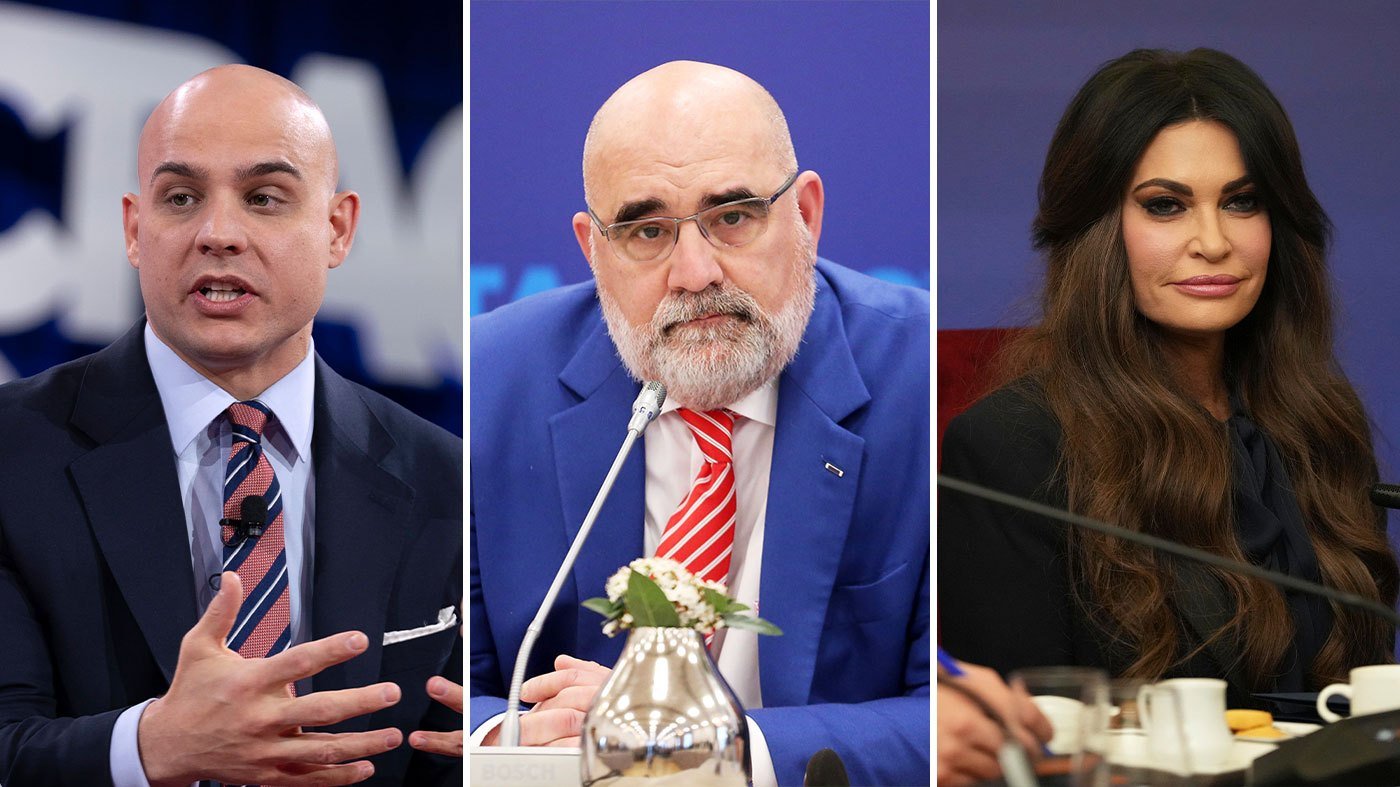
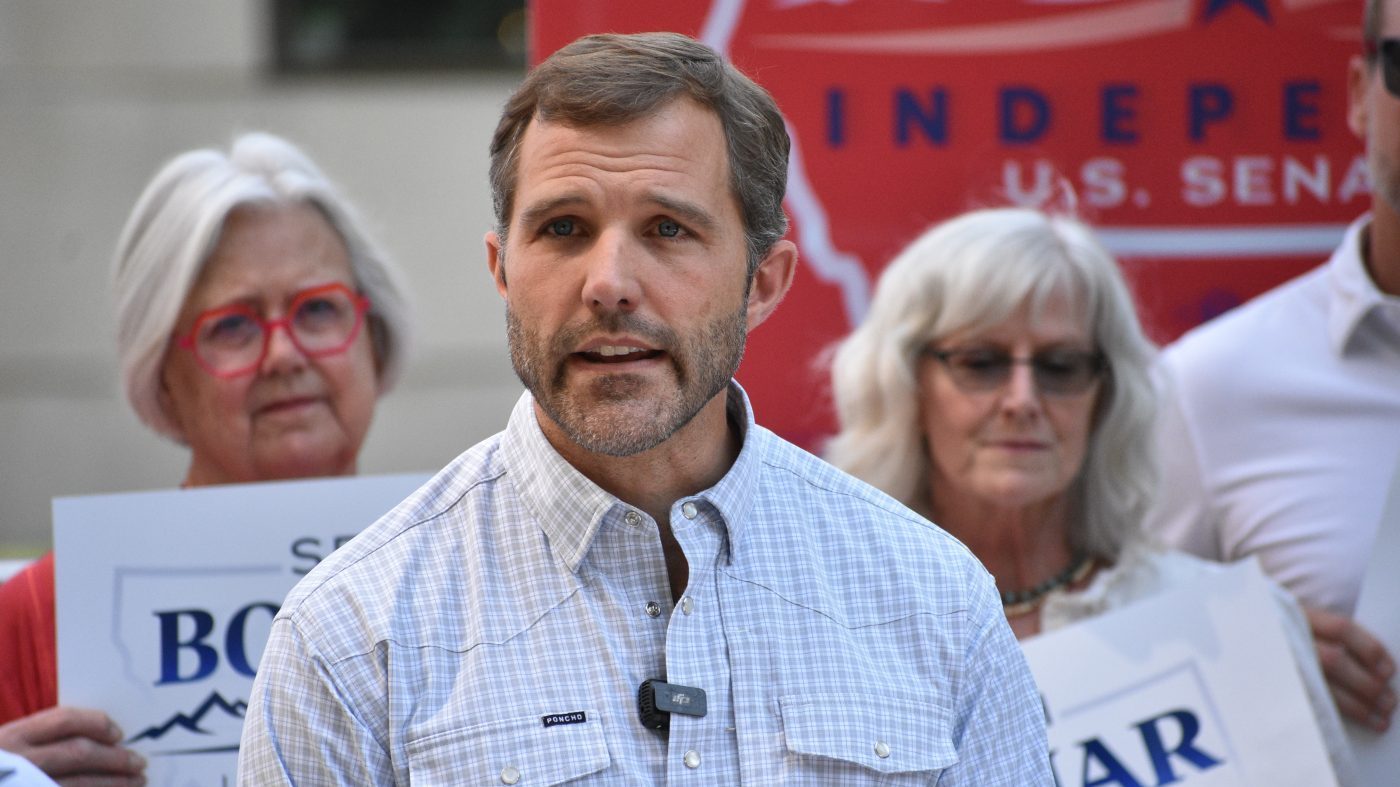
House Democratic leaders—Minority Leader Hakeem Jeffries (N.Y.), Minority Whip Katherine Clark (Mass.), and Caucus Chair Pete Aguilar (Calif.)—issued a joint statement calling the raid “deeply disturbing” and alleging it “raises serious questions about the continued corrupt weaponization of the federal government against Donald Trump’s adversaries.” Reps. Rashida Tlaib (D-Mich.) and Alexandria Ocasio-Cortez (D-N.Y.) went further, with Tlaib likening the action to fascism and Ocasio-Cortez labeling it an “unprecedented abuse of power.”
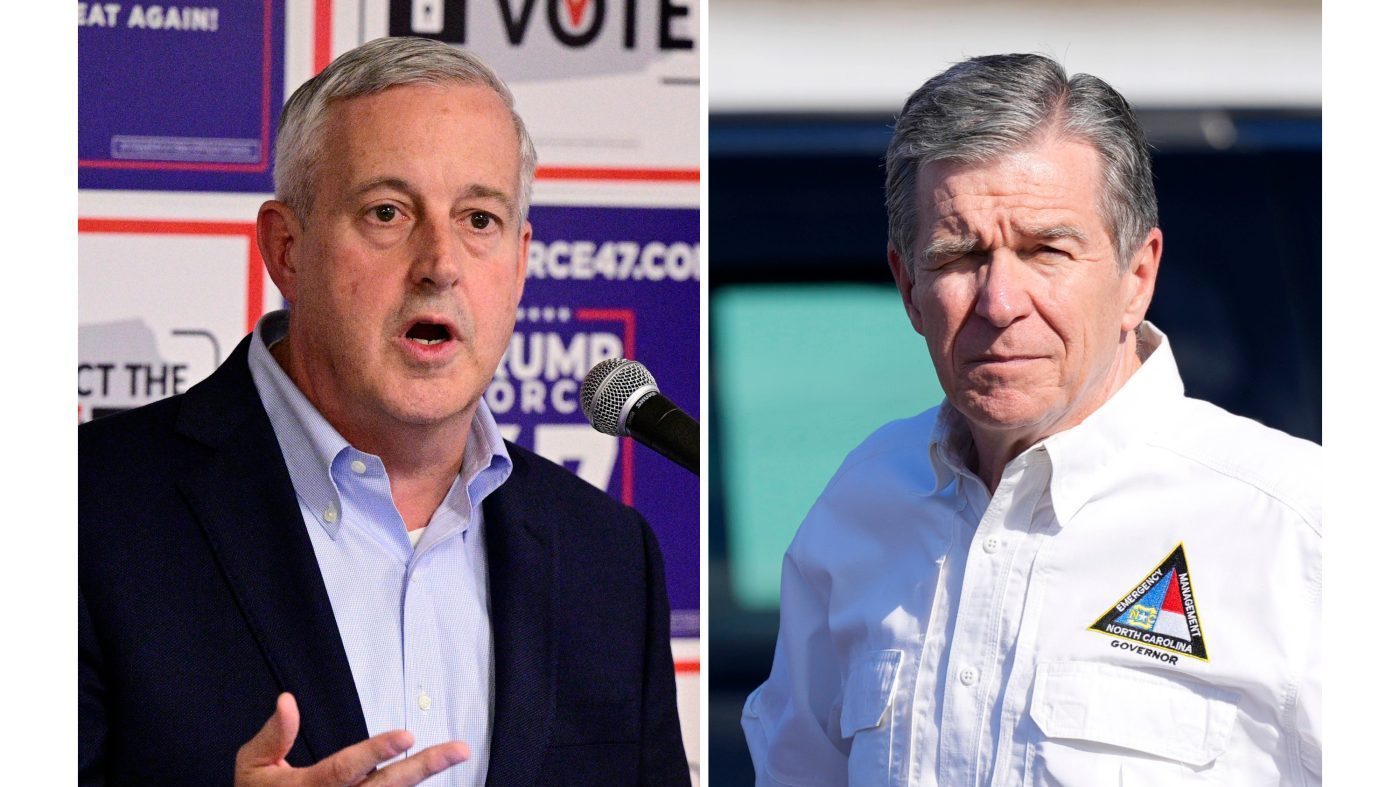
President Trump, speaking to reporters as he left the White House, again attacked Omar, calling her “totally crooked” and “a terrible person,” without offering evidence. He insisted he had “nothing to do with” the raid. This is not the first time Trump has publicly pressured officials to target his political enemies; he previously urged then-Attorney General Pam Bondi to expedite prosecutions of figures like former FBI Director James Comey and called for charges against six Democratic lawmakers he branded “traitors.” Those efforts largely stalled, but they have caused significant disruption for those targeted.
The Department of Justice (DOJ) confirmed only that the raid was “part of an ongoing federal criminal investigation,” providing no further details. The timing is notable: while DOJ customarily avoids such actions within 60 days of an election, that practice is not legally binding. Trump has repeatedly shown willingness to disregard such norms, especially when pursuing adversaries.
Omar, in a social media post, declared “I’m OK” and framed the raid as part of a broader pattern of “baseless lies and smear campaigns” by Trump. She vowed, “I will not be silenced.” Her defiant tone drew sharp responses from the right. Rep. Nancy Mace (R-S.C.) quote-tweeted Omar’s message, sarcastically asking, “Can she ‘not be silenced’ from Somalia?” Conservative accounts also resurfaced a 2019 tweet from Omar asserting “No one is above the law,” originally posted during Trump’s first impeachment.
The investigation’s scope remains murky. Trump’s attacks on Omar have long centered on immigration-related allegations. Last month, border czar Tom Homan confirmed Omar was under investigation, hinting at possible immigration fraud. Omar, born in Somalia in 1982, emigrated with her family in the 1990s, became a citizen in 2000, and later served in the Minnesota legislature before winning a House seat in 2018. She has consistently denied any wrongdoing, but conservatives have fueled suspicions for years.
The New York Times reported that recent probes have focused partly on whether Omar’s late father, Nur Omar Mohamed, misled authorities when seeking legal status decades ago. If accurate, that would mean the administration is targeting a political foe for actions her father may have taken roughly 30 years ago. The Times also noted that the Biden-era DOJ had opened an investigation into Omar’s finances, but that probe “appears to have stalled for lack of evidence.”
Democratic strategist James Carville told this column, “It’s pretty clear they were targeting her,” but added he would “love to see what was in the affidavit” that justified the warrant. “Am I highly suspicious it was made up? Yeah, I am,” he said, though he acknowledged uncertainty. The lack of transparency has only deepened partisan divisions, with each side interpreting the raid through its own lens.
As the political firestorm rages, the practical impact on Omar’s reelection is uncertain. She remains a polarizing figure, beloved by progressives and reviled by many conservatives. The raid has galvanized her supporters, who see it as proof of Trump’s authoritarian tendencies, while her detractors view it as overdue accountability. With little concrete information, the episode underscores how deeply the justice system has become entangled in election-year politics.