Fresh controversies swirling around President Trump’s inner circle are dominating the political landscape in the final stretch before the midterms, offering Democrats a potent line of attack as they seek to tie Republican candidates to a White House beset by ethical questions.
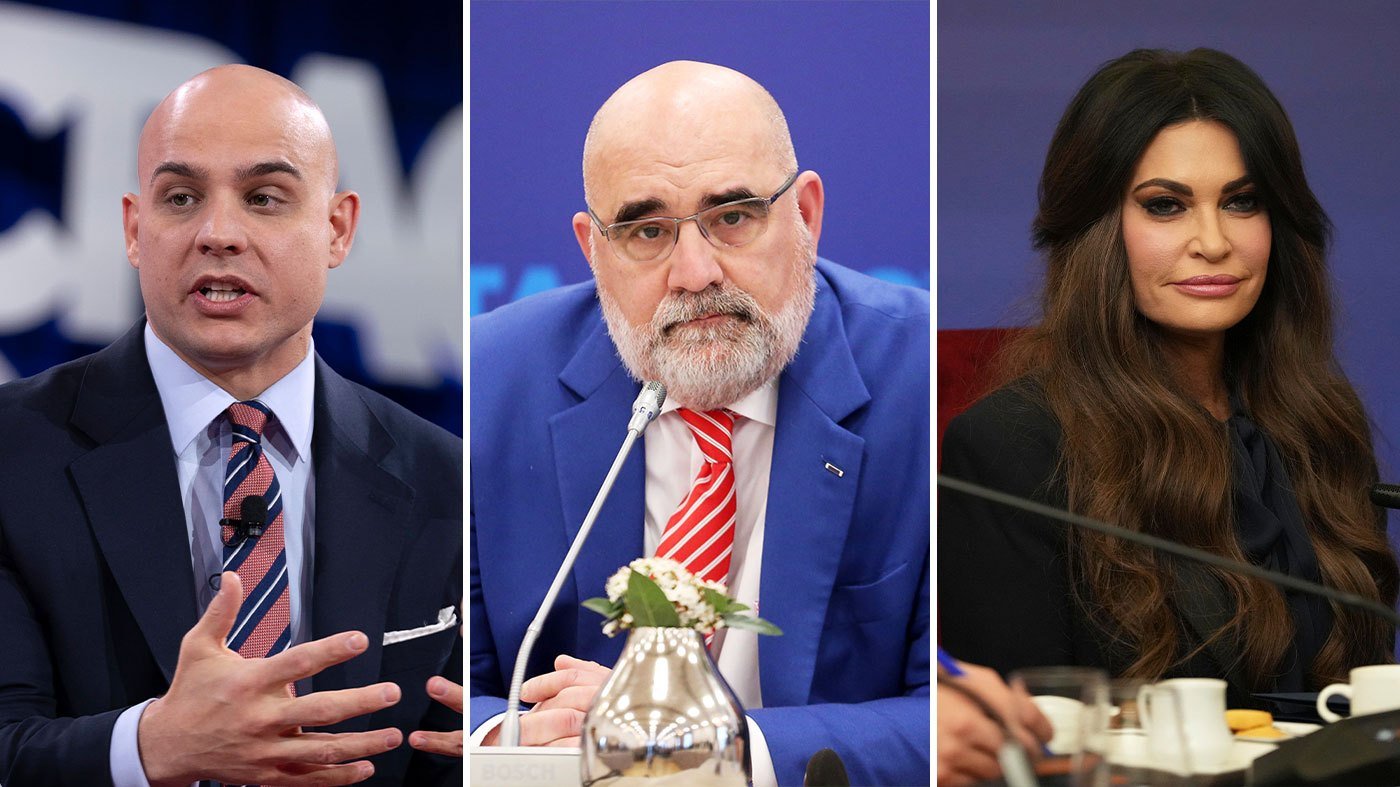
The most recent flashpoint involves Kimberly Guilfoyle, Trump’s pick for ambassador to Greece. Reports emerged last week that she privately sought donations to clear her personal debts ahead of her confirmation hearing—a move that drew sharp criticism and reportedly angered the president. Trump told reporters Monday he was “looking at” dismissing her, while separately addressing the fallout over two longtime campaign advisers, Chris LaCivita and James Blair, who traveled to the Balkans to advise a pro-Russian political party for substantial fees. The president said he would terminate them if any wrongdoing were found.
Democrats are seizing on these episodes to bolster their broader narrative that Republicans are out of touch with working families struggling with rising costs. “Voters understand that it’s not just that the cost of living has gone up dramatically for them. They understand that it’s gone up dramatically for them and that the administration is prioritizing tax breaks for the wealthy and building ballrooms and building arches and getting rich off of crypto,” said Matt Corridoni, a Democratic operative working with the groups Majority Democrats and The Bench.
The party has also highlighted Trump’s financial entanglements, particularly his family’s cryptocurrency venture, World Liberty Financial, which was founded in 2024. Disclosures show Trump earned over $500 million from the firm, raising conflict-of-interest concerns. A Reuters/Ipsos poll last month found 69% of adults believed Trump’s businesses influence his decisions, including 48% of Republicans, and 63% said it was inappropriate for him and his family to profit from crypto.
Critics have also accused the White House ballroom of operating as a pay-to-play scheme, and Trump has faced backlash for accepting a Qatari-gifted VC-25B Bridge as an interim Air Force One. Democrats have even invoked Trump’s ties to the late financier Jeffrey Epstein to paint their opponents as complicit in a culture of corruption.
“The corruption story and the abandonment of working people is sort of the central argument that Democrats are making,” said Simon Rosenberg, a Democratic strategist. “And so every time that there is something that confirms that, it hurts Republicans because it just reinforces one of the central stories that Democrats are telling about the Republican Party. Any additional confirmation of that that’s coming in the national news weakens and hurts the Republicans on the ground.”
The issue has taken center stage in debates across the country. In Iowa, Democratic Senate candidate Josh Turek accused his opponent, Rep. Ashley Hinson, of using her position to enrich herself. In Georgia, Sen. Jon Ossoff, who faces a tough reelection fight, told MS NOW that Democratic majorities would be necessary to conduct vigorous oversight of the administration. “I think you can rest assured that there will be a focus on congressional oversight, provided we do everything we need to do and regain the majorities necessary to hold this administration accountable,” he said.
Republicans, however, argue that Democrats have their own ethical baggage. The GOP has pointed to recent controversies involving Democratic lawmakers, including the raid on Rep. Ilhan Omar’s home, which Democrats have called politically motivated. They also note that Elon Musk’s massive midterm spending has made him the GOP’s biggest donor, a fact Democrats use to argue that Republicans are beholden to billionaires.
As the campaign enters its final days, Democrats are betting that the drumbeat of scandal will resonate with voters who feel left behind. “People also are not stupid,” said one Democratic strategist. “When they’re struggling, they’re looking at who is gaining, right? That’s when you sort of peel back the layers and say, ‘Oh it’s these people in office who are benefitting themselves or who are using different things within their power to pass laws to make things easier for them.’”
For now, the controversies show no sign of abating, and both parties are bracing for a fierce fight over who can claim the moral high ground.