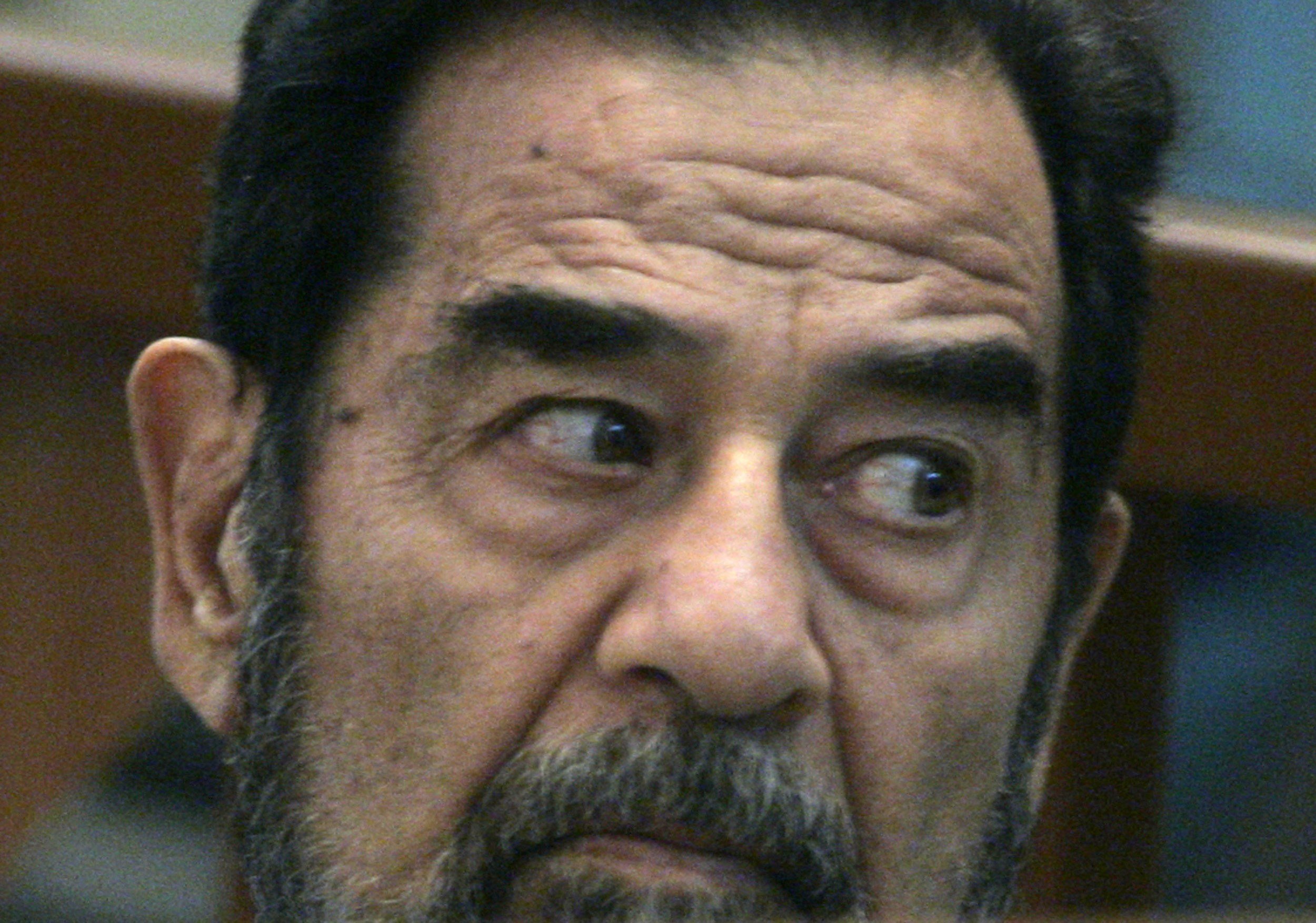
When John Nixon joined the CIA in February 1998, the idea that he would one day sit across from Saddam Hussein in a dimly lit cell seemed absurd. At the time, Saddam was firmly in power, and Nixon and his colleagues assumed it was only a matter of time before Iraq escaped the sanctions imposed after the Gulf War and reasserted itself regionally.
The September 11 attacks changed that calculus. The Bush administration's efforts to tie Saddam to terrorism signaled to CIA analysts that Washington and Baghdad were on a collision course. In later conversations, Saddam told Nixon he had hoped the attacks would actually bridge the divide between Iraq and the U.S. He reasoned that both countries faced a common enemy in Sunni extremism. That hope, of course, proved profoundly misplaced.
Nixon's account of those debriefings has now been adapted into a limited series, High Value Target: The Hunt for Saddam, streaming on HBO Max. At the time of Saddam's capture, many in Washington and Baghdad believed his detention would stabilize Iraq and allow the U.S. to pivot to other priorities. That optimism, as history shows, was short-lived.
Nixon, who had studied Saddam for years, initially felt prepared for the interrogation. But he quickly discovered a more nuanced figure than the Western caricature. Saddam could be charming, affable, and even humorous when it served him. Yet he could also be dismissive and condescending, especially when questioned about human rights abuses. Nixon emphasizes that this complexity did not absolve Saddam—he remained a brutal dictator who used ruthless tactics against his own people.
One of Nixon's lingering questions is why the U.S. government believed Saddam posed a significant threat. The regime had been contained, and later intelligence confirmed that Iraq had no stockpiles of weapons of mass destruction and was not actively pursuing them. Saddam wanted his enemies to believe he still had them for deterrence, but that was a bluff.
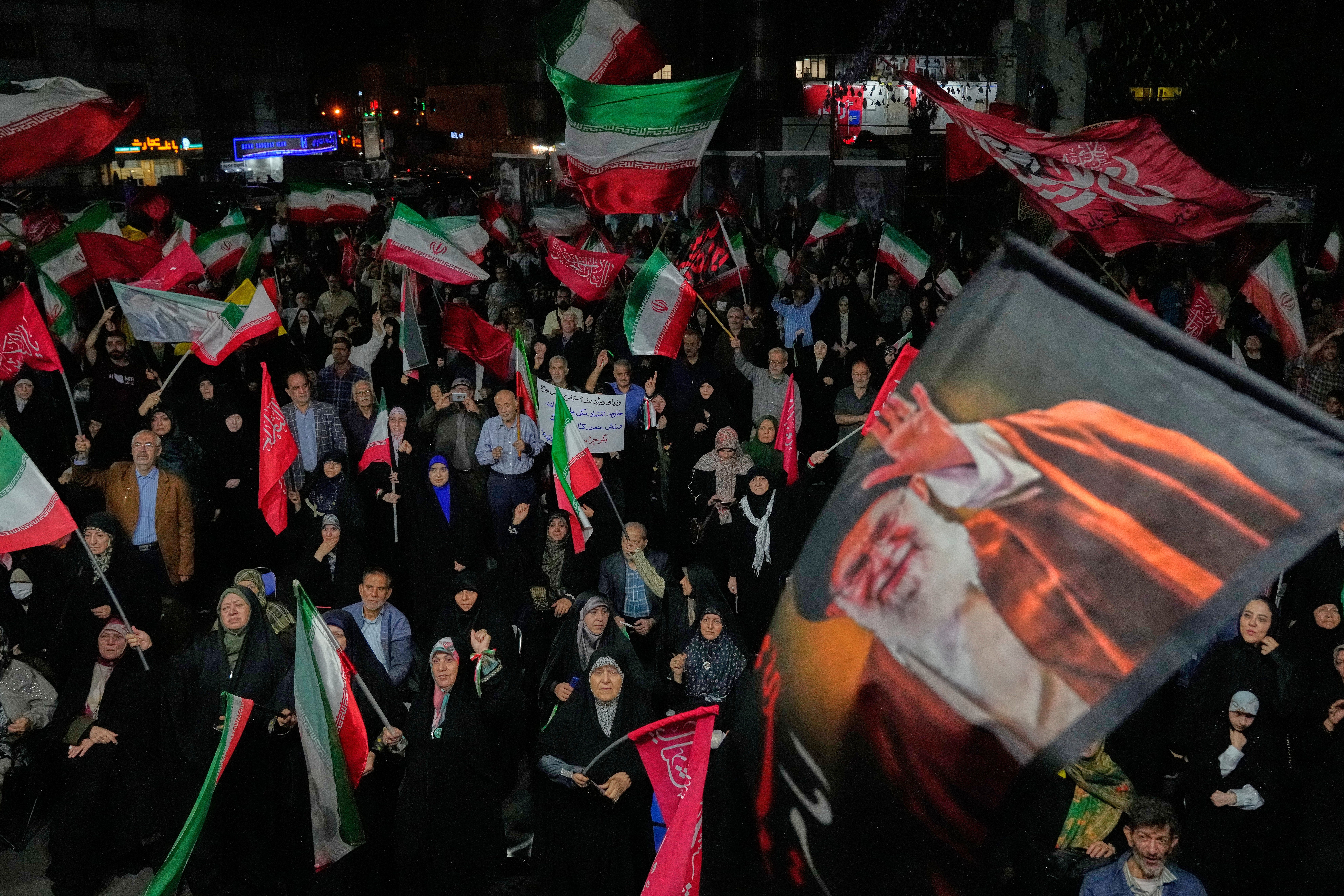
Nixon argues that the real winner of the Iraq War was Iran. Saddam had been a counterweight to Iranian influence, and his removal opened the door for Tehran to expand its sway across the region. Nixon believes that had Saddam remained in power, the U.S. might not be facing the current confrontation with Iran.
This perspective resonates amid today's tensions, as Iran clashes with Arab neighbors. Nixon recalls a conversation with a young Emirati professional who admired Saddam for standing up to Iran—a reminder that history is often viewed through different lenses. As Nixon puts it, where you stand shapes what you see.
The lessons of Saddam's interrogation and the Iraq War remain relevant as policymakers grapple with similar standoffs and regional power struggles. Nixon's reflections offer a cautionary tale about the unintended consequences of military intervention and the importance of understanding adversaries beyond simple caricatures.