The 20th century's darkest chapters taught the West that some ideologies are fundamentally incompatible with peace. The fight against Nazi Germany, Fascist Italy, and Imperial Japan required total war and unconditional surrender. After 1945, the Soviet Union inherited that mantle, but the advent of nuclear weapons made a third world war unthinkable. Instead, the U.S. relied on containment and deterrence, a strategy that led to the limited war in Korea—a conflict that set a dangerous precedent.
In January 1950, Secretary of State Dean Acheson outlined a U.S. security perimeter in Asia that notably excluded Taiwan and South Korea. This omission arguably invited communist aggression, and within months, North Korea invaded the South. The ensuing war became a stalemate, with no clear victory and no regime change, leaving the aggressor nations to fight another day.

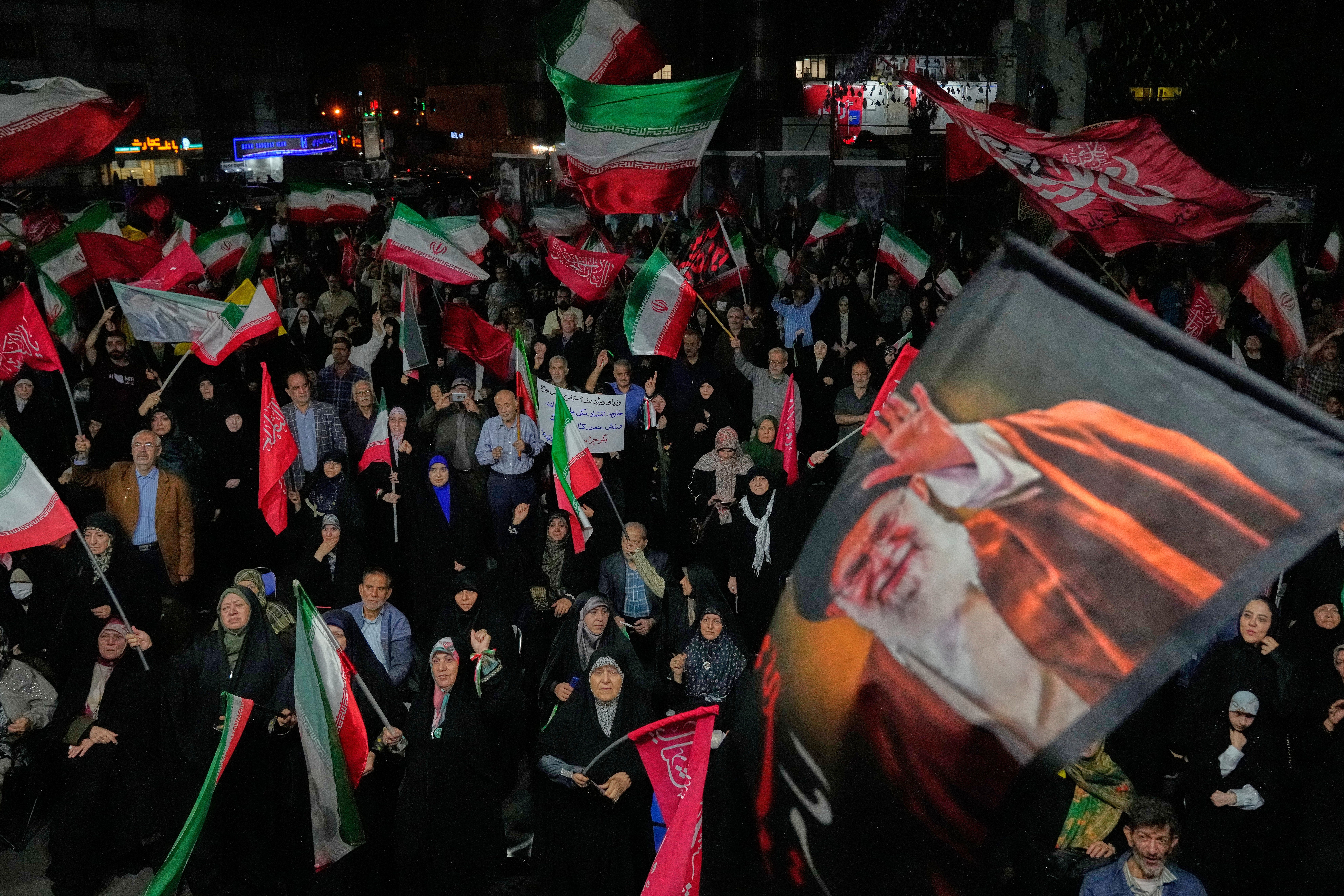
Today, the U.S. faces a similar threat from Iran, which President George W. Bush famously included in the "axis of evil" in 2002. Now, Iran is allied with Russia and China, forming a powerful bloc that challenges the West. The Iranian regime's pursuit of nuclear weapons, support for terrorism, and brutal suppression of its people make it a clear and present danger.
The current U.S. approach—negotiations, sanctions, and limited strikes—has proven ineffective. It risks a "forever war" that Americans are tired of, especially after President Trump's erratic handling of the conflict. Alternatively, capitulating to Iran's control of the Strait of Hormuz would undermine global freedom of navigation and likely embolden China to move on Taiwan, potentially triggering a major war.
The only viable option, argues this analysis, is to return to Trump's original instinct: that the Islamic Republic is irredeemable and must be removed from power. This is not a call for immediate military invasion, but for a comprehensive, multi-dimensional campaign—including strategic communications, support for the Iranian people, and pressure on the regime's military and security forces to defect.
Such a campaign would need to be led seriously, with coordinated funding and material support. It could revive institutions like Voice of America and the U.S. Information Agency to provide Iranians with information their government suppresses. The mere announcement of such a campaign could inspire defections and weaken the regime from within.
History shows that regimes like Iran's do not reform; they must be replaced. The West has the tools and the moral imperative to support the Iranian people in their quest for freedom. The question is whether Washington has the will to act decisively.