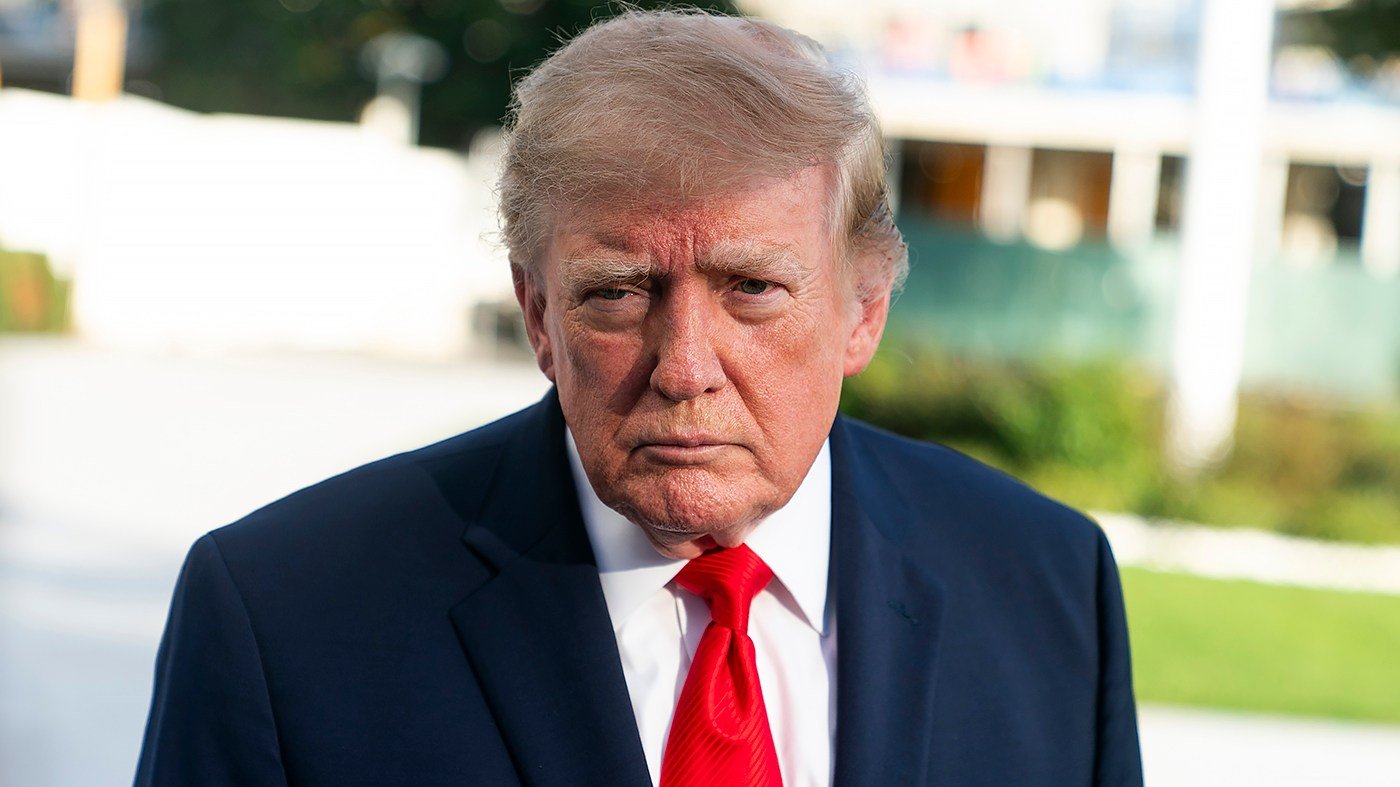
President Trump used a Monday evening rally in Youngstown, Ohio, to deliver a stark warning to Republican voters: if Democrats capture both Congress and the presidency in the next two election cycles, he might be the last Republican to occupy the Oval Office.
“I will be the last Republican president because they will add about twelve more electoral votes,” Trump said, referring to Democratic proposals to grant statehood to Washington, D.C., and Puerto Rico. “They’ll add four more senators. They’ll add ten more congresspeople, approximately.”
The president then pivoted to the judiciary, claiming that Democrats are not satisfied with the previously floated expansion of the Supreme Court from nine to 13 justices. “The real number that they dream of is 23,” he asserted. “They say 13. Who wants 13?”
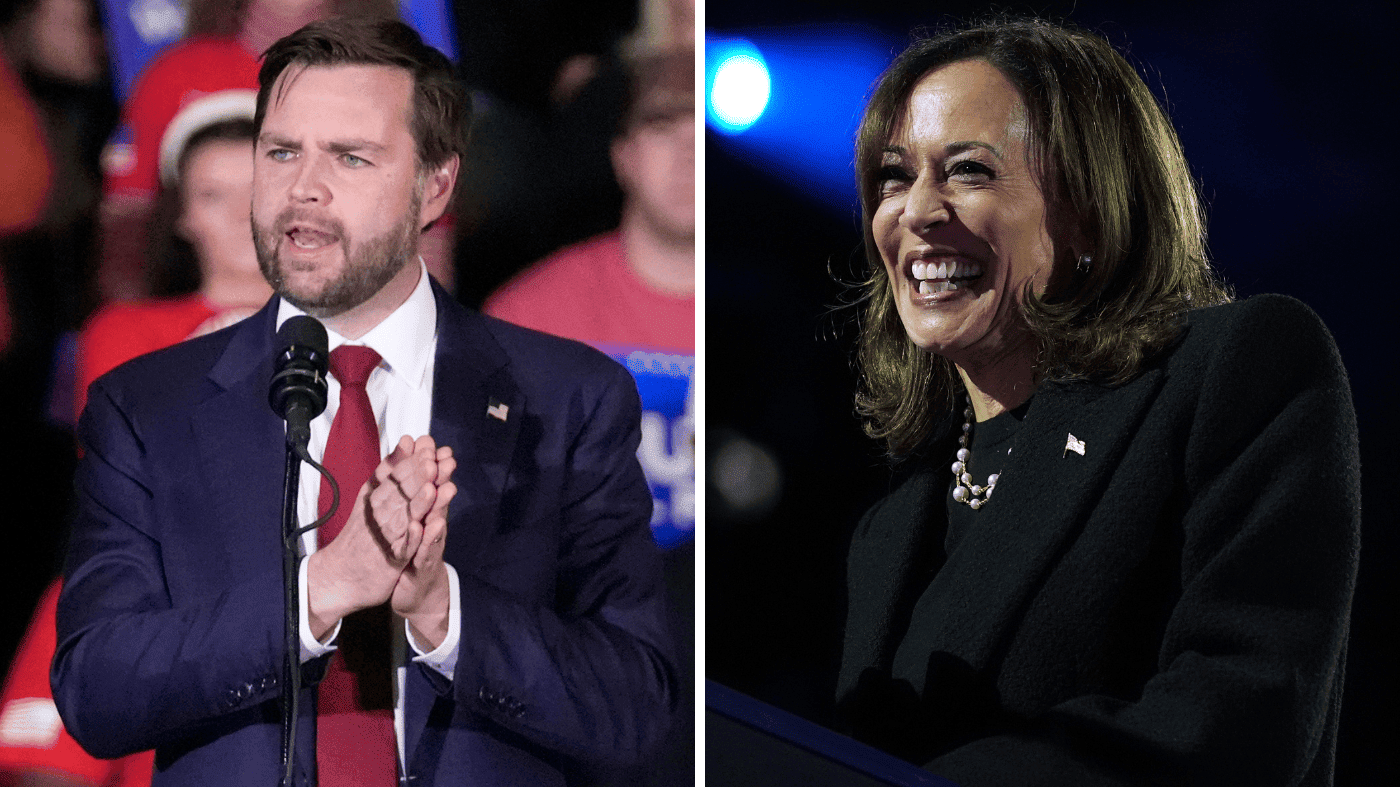
Democratic leaders have indeed called for structural changes to the high court, including term limits and an expansion of the bench, in response to the three conservative justices appointed during Trump’s tenure. Former Vice President Kamala Harris has voiced support for both court expansion and the elimination of the Electoral College, which would fundamentally alter how presidents are chosen.
The rally served as a key test of Trump’s continued influence over the Republican base as the midterms approach. With several GOP candidates this cycle trying to keep their distance from the former president’s sagging approval ratings, both Ohio Sen. Jon Husted and gubernatorial hopeful Vivek Ramaswamy have embraced his endorsement in their tight races. Husted, who is facing a competitive challenge, thanked Trump for flipping the historically Democratic region in 2016. “The Youngstown area for decades used to vote Democrat, and then you ran for office in 2016 and flipped it red forever,” Husted told the crowd.
Trump also used the event to boost other Republican candidates, including Rep. Max Miller, who has denied allegations of domestic abuse made by his ex-wife. “Thank you, Max, for coming,” Trump said, acknowledging the congressman’s presence.
The president’s remarks come amid a broader effort by the GOP to hold onto its narrow House and Senate majorities, with the party’s chances in Ohio seen as critical. While Trump’s rallies have drawn large crowds, his polarizing rhetoric and legal troubles have complicated the party’s messaging in swing districts.
Political analysts note that Trump’s “last president” warning is a familiar rhetorical device, designed to energize his base by framing Democratic victories as an existential threat. However, his claims about court expansion and electoral vote changes go beyond what most Democratic lawmakers have proposed.
As the midterms near, the former president’s inner-circle scandals continue to dominate the campaign trail, and his ability to sway undecided voters remains uncertain. In Ohio, at least, the GOP’s top candidates are betting that Trump’s brand of politics still resonates.