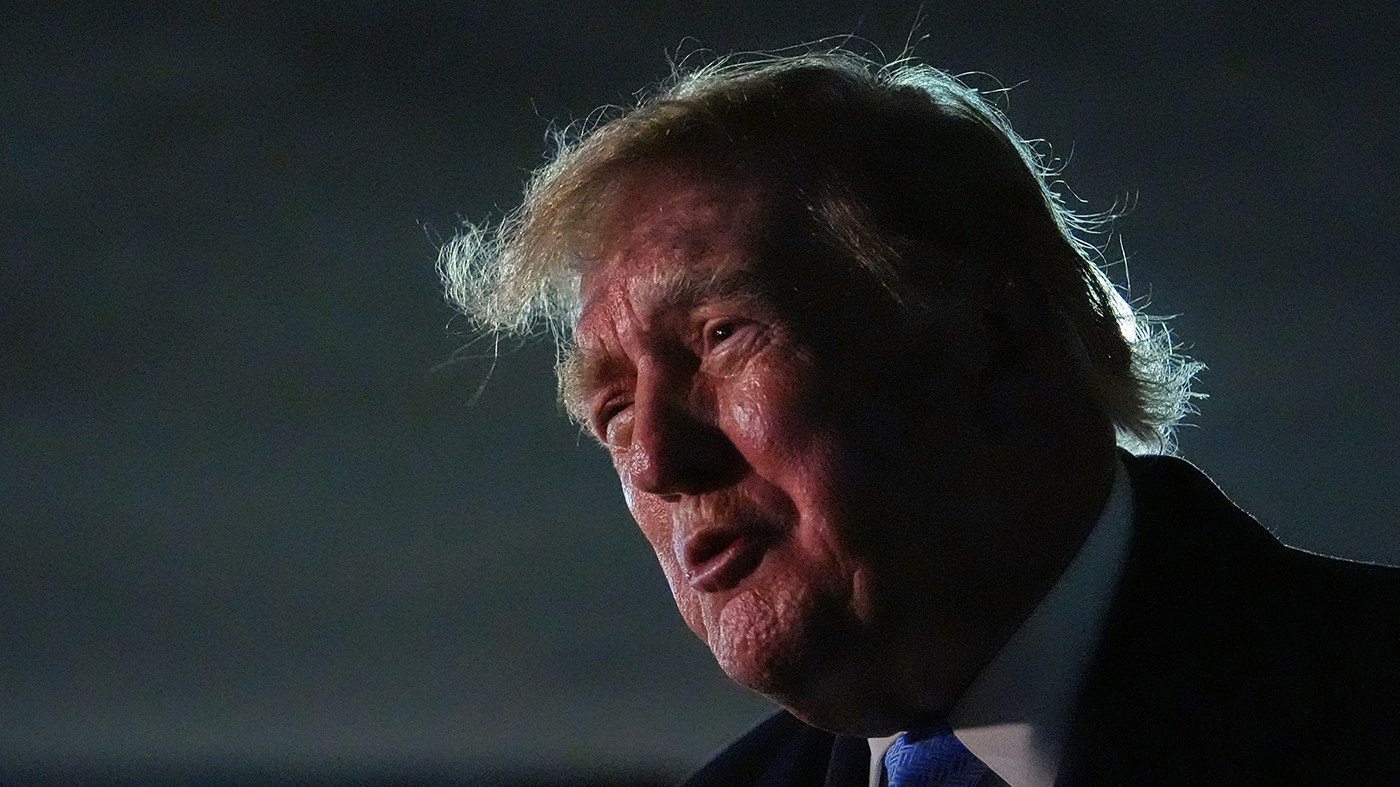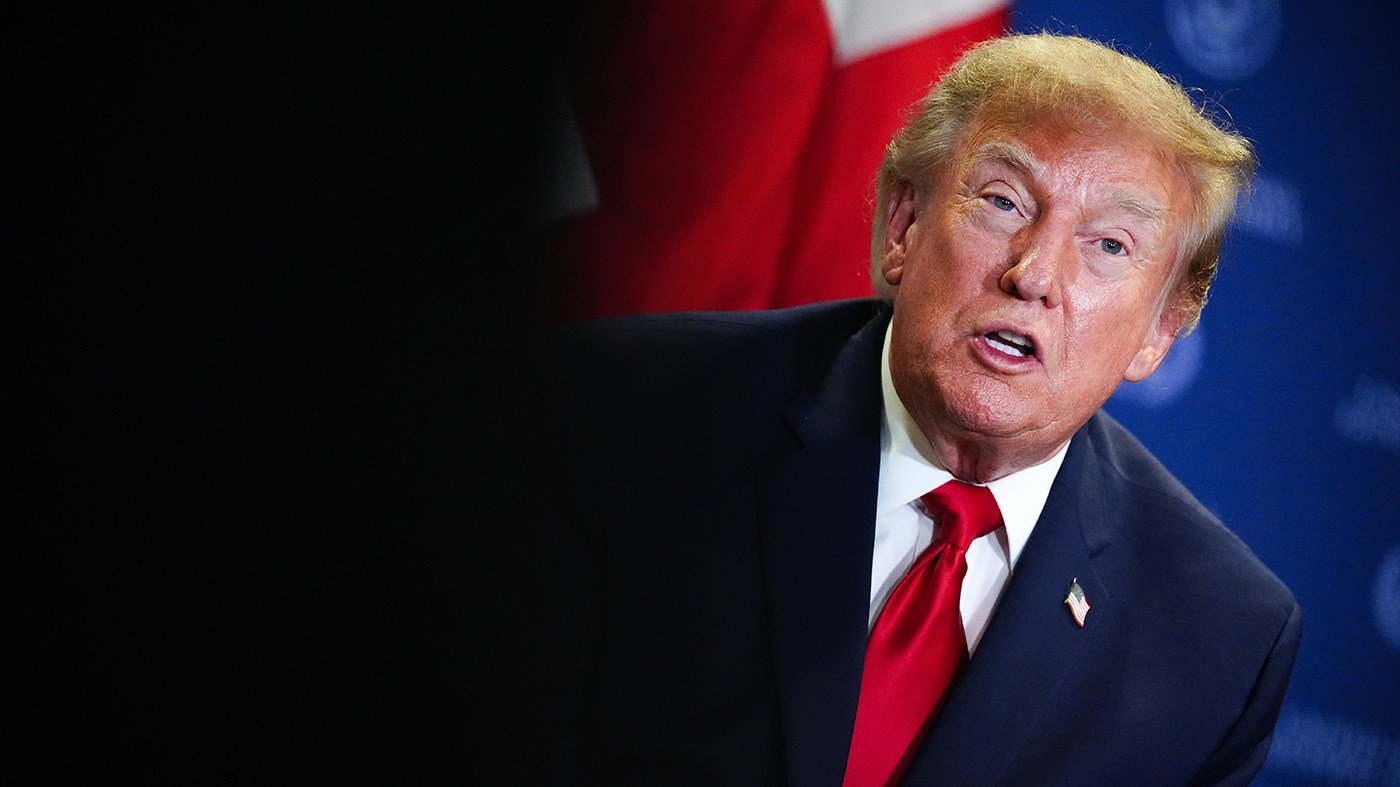
President Trump used his address to the United Nations General Assembly to escalate pressure on Cuba, demanding a "fundamental change" in the island's leadership and declaring that "freedom will be coming to Cuba." The remarks, delivered to world leaders in New York, drew sharp rebukes from Cuban officials and marked the latest escalation in tensions between Washington and Havana.
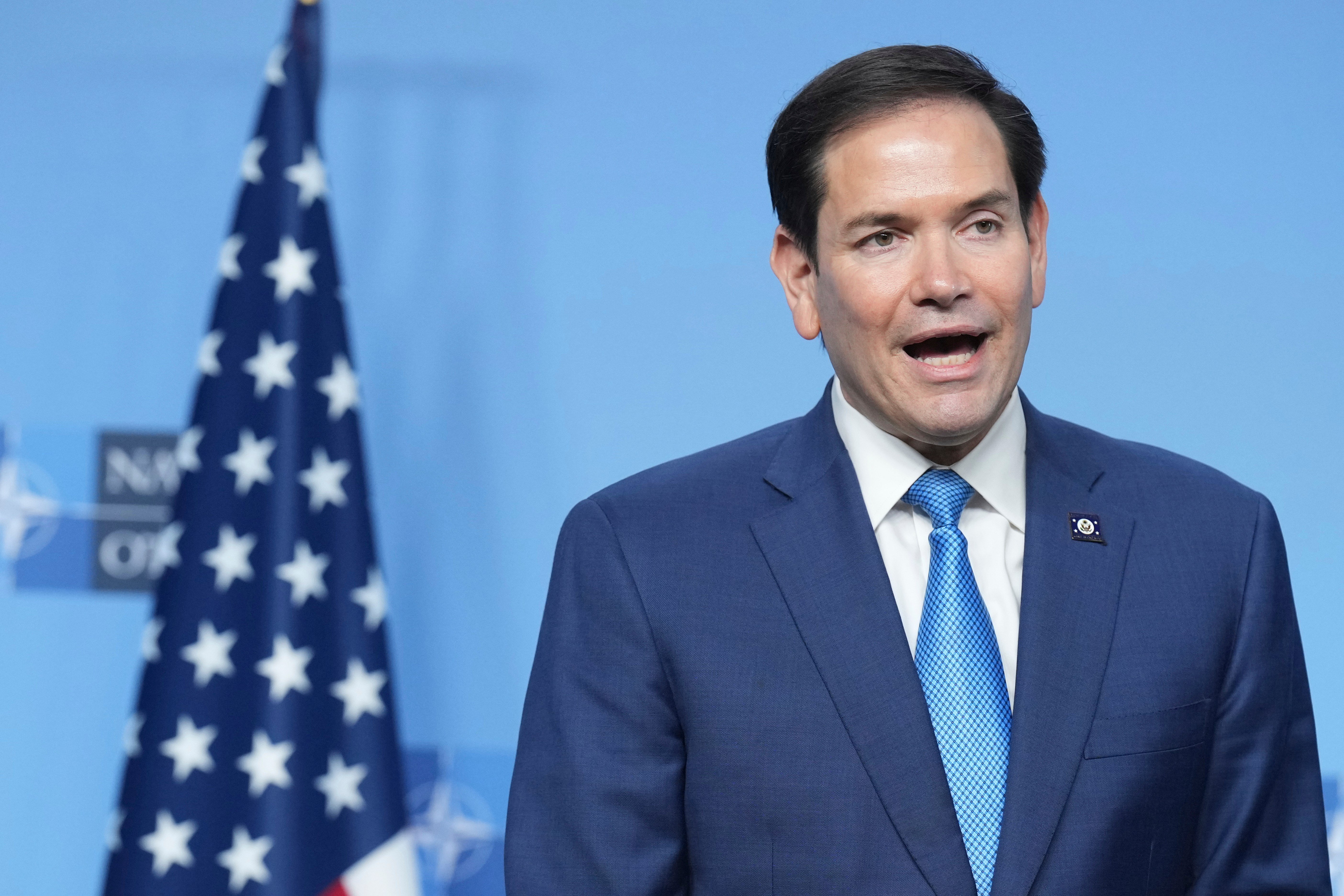
In his 37-minute speech, Trump described Cuba as a "failed state" under "the biggest pressure they've ever been under," and asserted that the communist regime "will fall." He also referenced Secretary of State Marco Rubio, who is Cuban American, saying Rubio is "deep into negotiations" with Cuba and that he would "someday in the near future drop him off in the middle of Cuba."
Cuba's Response
Cuba's Foreign Minister Bruno Rodríguez Parrilla, speaking at the UNGA, rejected Trump's characterization outright. "A few days ago, the president of the United States declared in this room that Cuba was 'a failed State.' If that were the case, why did they have to impose a fuel blockade? Why did they impose secondary sanctions?" he asked. Rodríguez Parrilla also denied that Cuba poses any threat to the U.S., calling the accusation "unrealistic and evil" given Cuba's modest size and economic performance compared to the world's largest military power.
The diplomatic clash comes as Cuba grapples with a severe energy crisis. A long-standing U.S. embargo has choked off oil supplies, leaving the island's electric grid largely nonfunctional, with power available for only an hour or two each day in many areas. The Trump administration has also imposed new sanctions targeting foreign companies doing business with Cuba, which has led to what some observers describe as "over-compliance" by shipping firms that avoid delivering even allowed goods like food and medical supplies.
Negotiations and Reforms
Despite the heated rhetoric, U.S. and Cuban officials have been engaged in quiet negotiations for months, including a February meeting in St. Kitts. However, Rodríguez Parrilla told NBC News that those talks have not yielded "much progress or results."
Cuba, meanwhile, has announced a sweeping package of 176 economic reforms, including measures to open its economy to foreign investment and lift restrictions on private businesses. The reforms reduce the number of industries barred to private enterprise and remove the cap on employee counts for private firms. Ricardo Torres, a Cuban economist now at American University, called the reforms "quite ambitious" but noted they came only after years of U.S. pressure, including an oil embargo and executive orders. "The moment for Cuba to change successfully, relying basically on its own domestic reform, is gone," Torres said, suggesting that meaningful change will require some sanctions relief and U.S. involvement.
Trump's UNGA comments also included unsubstantiated claims that Cuba has "cultivated ties to subversive and radical groups such as the Communist Party USA, antifa, and the Democrat Socialists of America." Rodríguez Parrilla dismissed these as baseless and reiterated Cuba's denial of any interference in U.S. domestic affairs.
The standoff shows no signs of abating. As the Trump administration continues to push for regime change, Cuba's leadership insists it will not capitulate. The coming weeks may see further diplomatic friction, especially with midterm elections approaching and the administration's hardline stance resonating with Cuban American voters in key states like Florida. For now, the world watches as two nations remain locked in a bitter dispute that shows no signs of resolution.