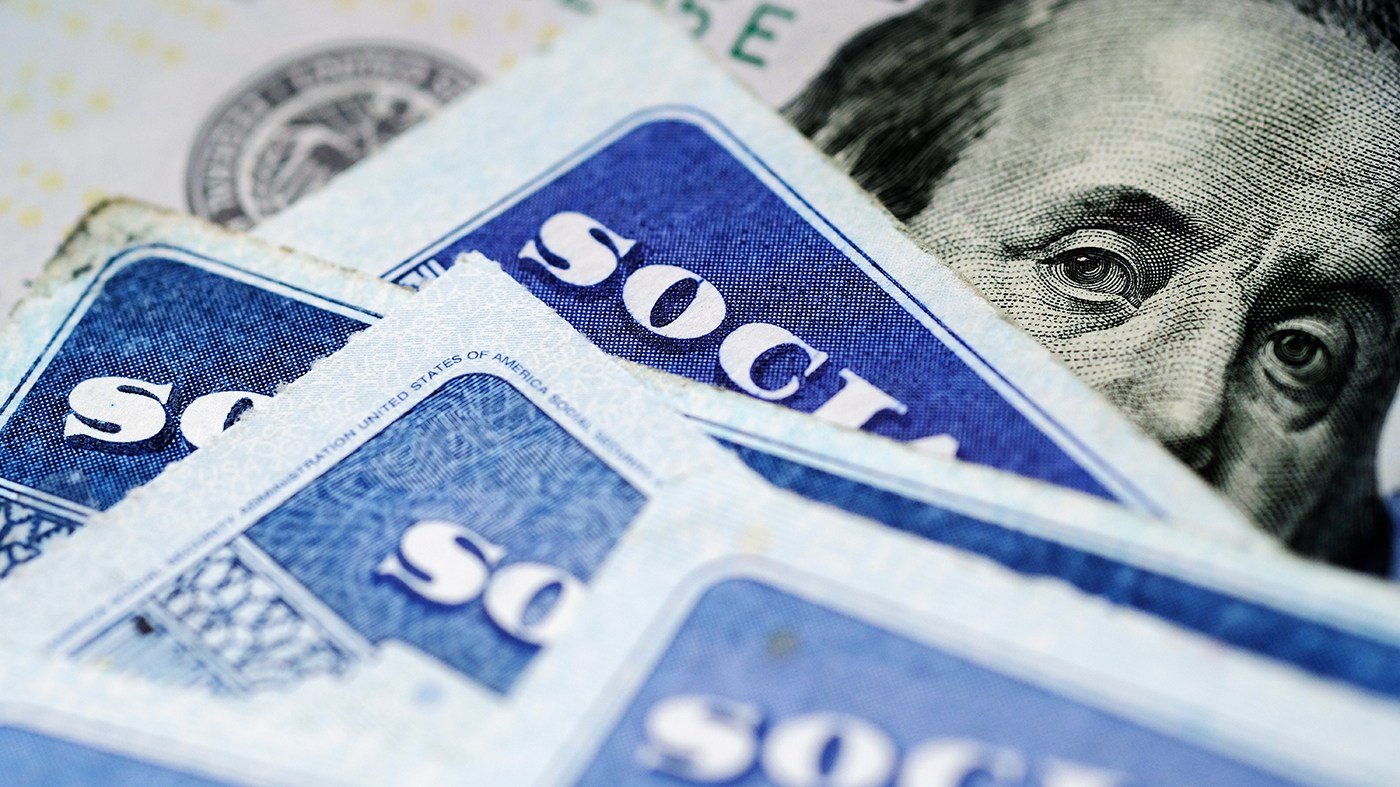
The Trump administration confirmed Wednesday that Social Security benefits will rise by 3.6 percent in 2027, a cost-of-living adjustment (COLA) that will add roughly $75 per month to the average retiree's check. The increase, announced by the Social Security Administration (SSA), marks an uptick from last year's 2.8 percent adjustment and applies to nearly 72 million beneficiaries.
According to SSA data, the average monthly retirement benefit stood at nearly $1,942 in August. The COLA also extends to the 7.3 million people receiving Supplemental Security Income (SSI), with an average monthly payment of about $738. Of those, 2.5 million also draw Social Security.
The adjustment is tied to September's consumer price index (CPI), which showed annual inflation at 3.7 percent, up from 3.4 percent in August. The SSA calculates the COLA based on the third-quarter CPI, and this year's figure aligns with projections from advocacy groups like AARP, which had anticipated about 3.6 percent.
“We’re expecting about 3.6 percent,” Bill Sweeney, AARP’s senior vice president of government affairs, said Tuesday on NewsNation’s “The Hill.” “That would be … about $75 a month for most people or about $900 over the course of a year.” The Senior Citizens League had projected a slightly lower 3.5 percent.
Despite the increase, many older Americans remain skeptical that it will keep pace with real-world price pressures. An AARP survey found that roughly three-quarters of adults aged 50 and up believe a 3.5 percent adjustment would not cover rising costs, with about 7 in 10 saying a hike of between 5 and 8 percent would be more appropriate.
SSA Commissioner Frank Bisignano framed the COLA as a step toward “greater financial stability” for recipients, noting that inflation has stayed above 2 percent for more than five years. However, he and other administration officials have repeatedly warned about the program's long-term fiscal health. Earlier this year, the SSA projected that the Old-Age and Survivors Insurance (OASI) Trust Fund would only be able to pay full benefits through the fourth quarter of 2032, after which it could cover just 78 percent of scheduled payments.
The Committee for a Responsible Federal Budget (CRFB) seized on Wednesday's announcement to reiterate the looming shortfall, warning that the 2032 cut “could wipe out the previous nine years’ worth of COLAs.” The group suggested that lawmakers consider shifting to the chained CPI, which typically runs lower than the standard CPI—September's chained CPI was 3.5 percent—or capping benefits for the highest earners. The CRFB noted that the 2027 COLA would boost payments for the “very richest” recipients by more than $2,200 annually.
Bisignano, however, struck a reassuring tone on Monday, telling CNBC's “Squawk Box” that Social Security, now in its ninth decade, “will be around for another 90 years.” The administration's push to address solvency has included proposals that have sparked debate, such as GOP senators turning on Trump's Russian diesel import plan, which some see as part of broader economic pressures affecting the program's funding.
As the 2027 COLA takes effect, the political battle over Social Security's future is likely to intensify, with Musk's $366M midterm bet signaling a return to Trump's political fold and lawmakers on both sides weighing in on how to shore up the program. For now, beneficiaries can expect the modest boost, but the long-term picture remains uncertain.