President Trump's announcement of a U.S. partnership to tap Venezuela's vast oil reserves has been met with skepticism from energy analysts, who point to crumbling infrastructure, legal ambiguity, and a timeline that likely extends well beyond the midterm elections.
Speaking Friday, Trump touted the agreement as a way to "substantially lower Gas Prices for all Americans, long into the future." But on Monday, he conceded in Oval Office remarks that the impact might not arrive before voters head to the polls: "Ultimately, prices are going to come down. Now, will it happen before the election? I can't tell you that."
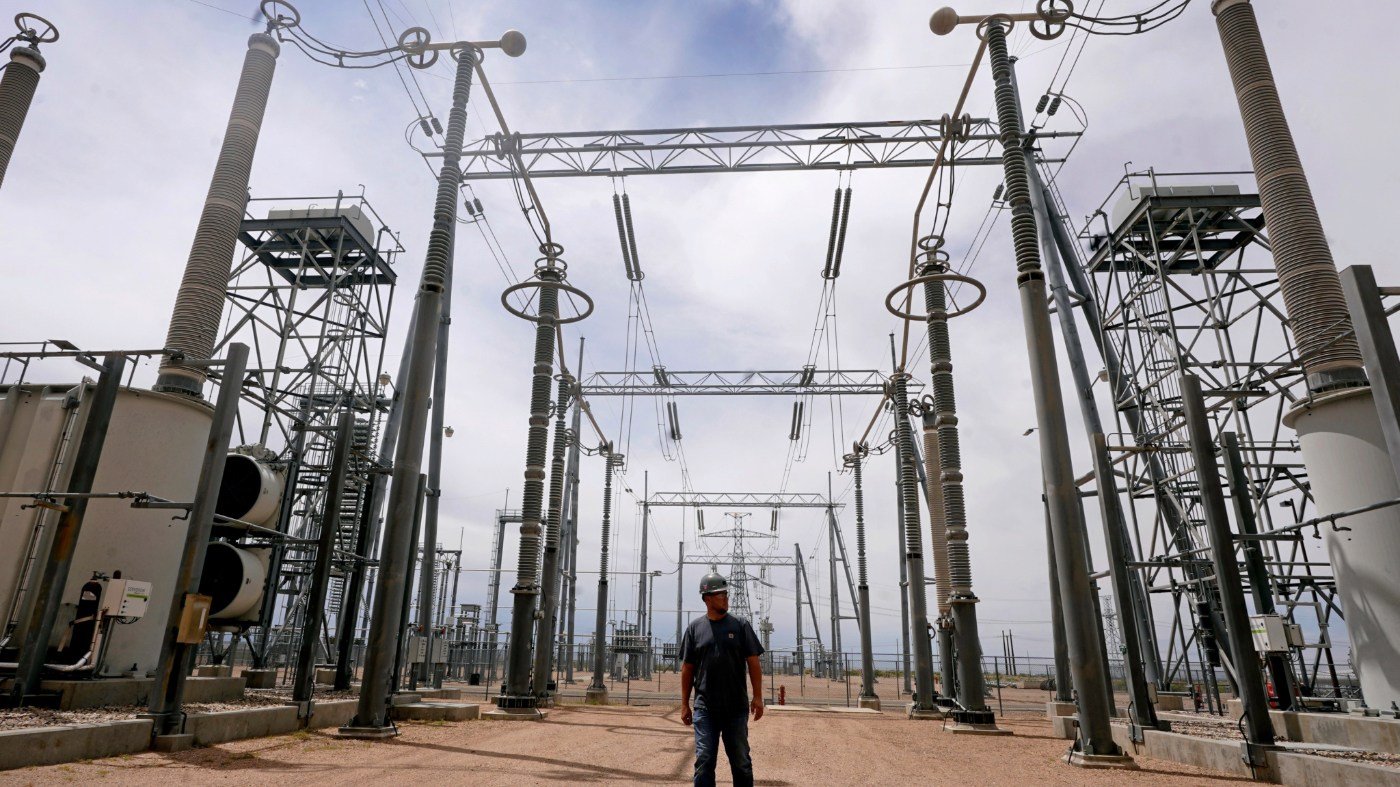
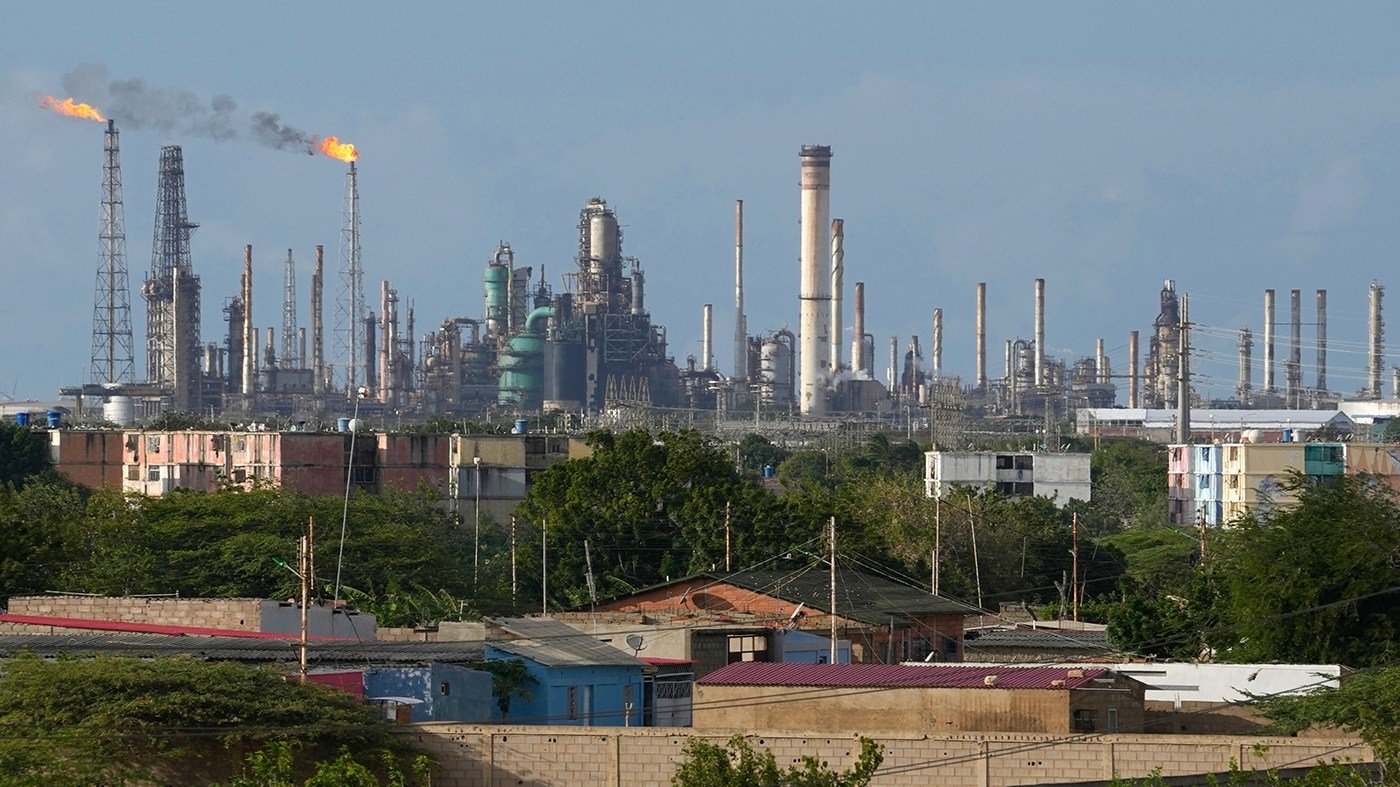
Industry experts align with that caution. Patrick De Haan, head of petroleum analysis at GasBuddy, told The Hill that any price relief is "several years from now" at best, not in the immediate term. He noted that Venezuela's oil sector has been gutted by years of mismanagement and corruption, leaving upgraders, pipelines, and the power grid in disrepair. "All of it needs to be rebuilt," he said, before production can rise meaningfully.
Andy Lipow, president of Lipow Oil Associates, put the infrastructure overhaul timeline at a decade, warning that "an extraordinary amount of money" — potentially $180 billion — would be required just to get oil out of the ground and to market. While he allowed for "incremental improvements" in the next couple of years, the scale of investment needed is immense.
Vijay Vaitheeswaran, director of the energy security and climate change program at the Council on Foreign Relations, was blunt: the oil will "absolutely not" reach U.S. pumps before the midterms. He suggested the administration might be banking on a short-term psychological boost to private investment, but expressed doubt about any "long-term gusher."
The deal's structure adds another layer of uncertainty. U.S. officials have not named the Venezuelan partner, though reports point to North American Blue Energy Partners, led by Alejandro Betancourt, a businessman with ties to Venezuela's interim president and a history of money-laundering investigations (no charges filed). The Wall Street Journal reported that the U.S. would take a 35% stake and could buy 20% of output at cost, but the two governments disagree on the deal's duration—100 years per U.S. statements, 25 years per Caracas.
Legal experts also flag potential obstacles, including existing sanctions and the need for congressional approval for any long-term concessions. De Haan cautioned that the 65 billion barrels cited are "best guesses" and largely "undrilled and unverified."
Meanwhile, Venezuela's interim president, Delcy Rodríguez, has hinted at additional agreements with Chevron, BP, Shell, Repsol, and Eni. A Chevron deal could be a "significant announcement," according to a person familiar with the matter. But even if those materialize, analysts agree that the path from Venezuela's oil fields to U.S. gas stations is long and fraught.
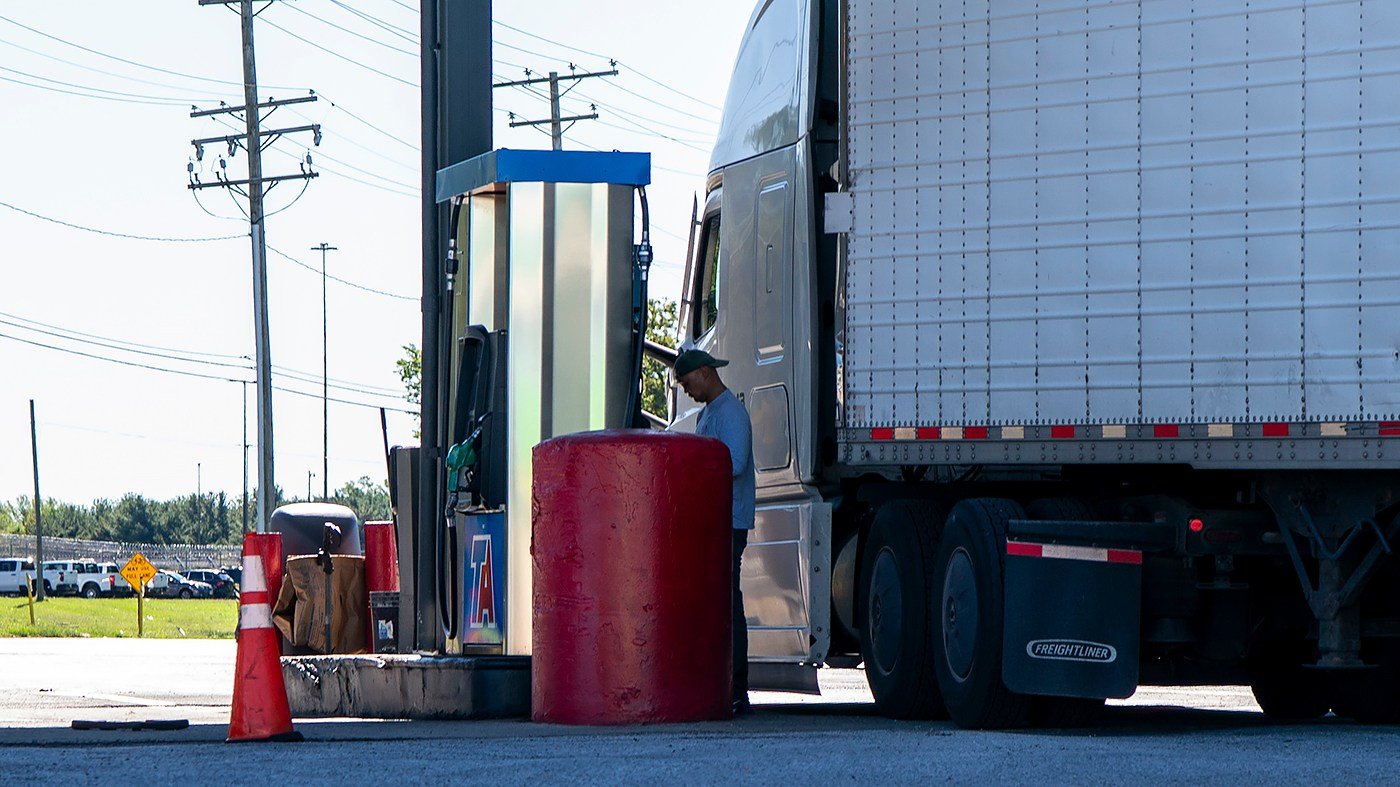
For now, the administration's promises of cheaper gas remain a distant prospect, with experts unanimous that the midterms will come and go before any tangible benefit reaches consumers. As De Haan put it, "It's not like Venezuelan oil is just sitting in tanks above the ground."