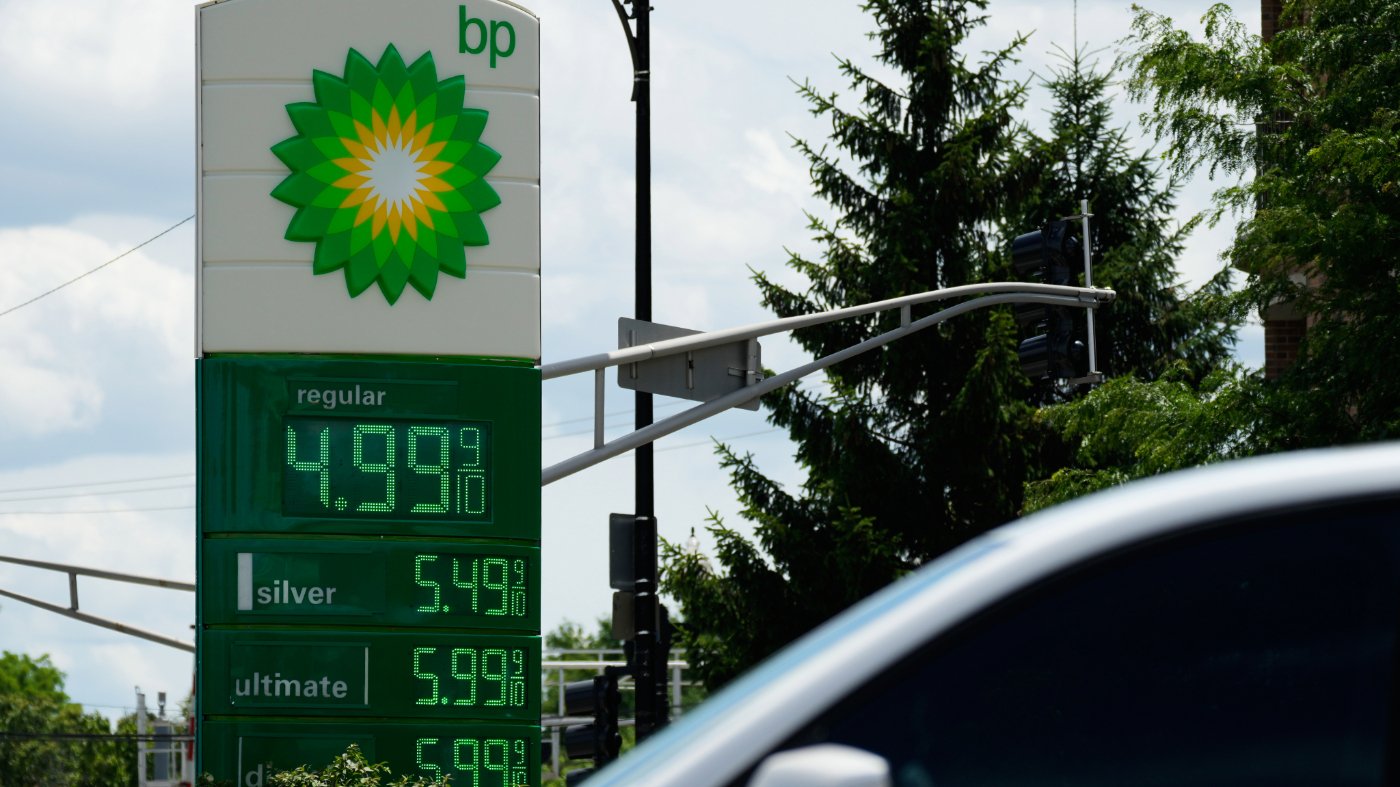
The average price of gasoline in the United States has climbed to $4 per gallon, according to AAA, as the renewed conflict between Washington and Tehran disrupts global oil supplies. The milestone was reached Monday, after days of steady increases following the collapse of the short-lived ceasefire.
Just a week ago, the national average stood at around $3.87. The sharp rise reflects mounting tensions in the Persian Gulf, where the Strait of Hormuz—a critical chokepoint for about one-fifth of the world's oil—has become a flashpoint.
After the ceasefire fell apart, Iran resumed attacks on oil tankers transiting the strait, according to reports from the region. In response, the U.S. announced a blockade of the waterway, further squeezing traffic. Data from MarineTraffic.com showed that crossings of the strait "remained limited" over the weekend, signaling a de facto slowdown in shipments.
These developments have sent crude prices soaring. U.S. benchmark West Texas Intermediate crude, which traded as low as $67 per barrel shortly after the ceasefire was announced, rose to $82 a barrel Monday morning. International benchmark Brent Crude climbed from a post-ceasefire low of $70 to around $88 per barrel.
The spike in energy costs is already reverberating through the economy, and political analysts warn it could complicate Republican efforts in the upcoming midterm elections. Voters, already facing inflation and affordability concerns, are likely to view higher gas prices as a direct hit to their wallets.
The conflict has escalated on multiple fronts. U.S. airstrikes in Iran have intensified, with the death toll reaching 17, while administration officials maintain the goal of keeping the Strait of Hormuz open. Defense Secretary Wright has vowed to preserve freedom of navigation, but the blockade and Iranian attacks have created a volatile standoff.
Meanwhile, the political fallout is spreading. A new poll found that 46% of Americans expect the Iran conflict to last another year or more, suggesting public patience with the prolonged engagement is wearing thin. The Biden administration faces pressure to contain the crisis without escalating further, but the path forward remains uncertain.
For now, drivers are bearing the brunt. The $4 per gallon threshold—a psychological barrier for many consumers—could become a persistent reality if the standoff in the Gulf continues. With oil prices showing no signs of retreat, the economic and political stakes are rising alongside the temperature in the Middle East.